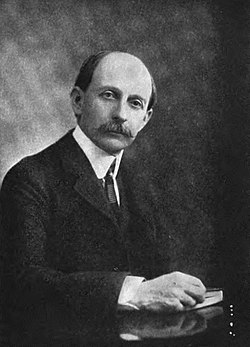
Clinton Scollard:
(1860–1932).
American poet and writer of fiction.
He was a Professor of English at Hamilton College.
A bird in the boughs sang June, and June hummed a bee in a Bacchic glee as he tumbled over and over, drunk with the honeydew.
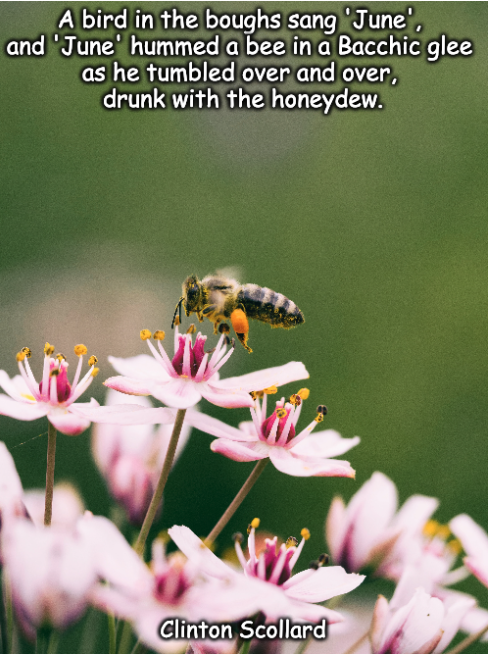
This is ‘not really an idiom’; it is a ‘poetic quotation’—a lyrical description of early summer.
The passage means:
– A ‘bird singing in the branches’ seems to be celebrating the month of ‘June’.
– A ‘bee is humming happily’, full of summer energy.
– The bee is described as being in “Bacchic glee”—that is, wildly joyful, almost drunken.
– He is “drunk with the honeydew”, meaning intoxicated by the sweetness of nectar, flowers, and summer abundance.
In simpler prose:
> ‘Nature is joyfully alive in June: birds sing, bees hum, and the whole scene feels lush, sweet, and ecstatic.’
🍷 What does “Bacchic glee” mean?
‘Bacchic’ comes from Bacchus, the Roman god of wine, revelry, and ecstatic celebration.
So “Bacchic glee” means:
– wine-like joy
– wild happiness
– drunken merriment
– ecstatic celebration
The bee is not literally drunk on alcohol; the poet imagines it as drunk on ‘nectar / honeydew / summer sweetness’.
🌿 Literary effect:
The quotation uses several poetic devices:
– ‘Personification’: June seems to sing and hum through birds and bees.
– ‘Alliteration’: ‘bird / boughs’, ‘bee / Bacchic’, ‘honeydew’ sounds create musicality.
– ‘Imagery’: branches, birds, bees, nectar, summer warmth.
– ‘Classical allusion’: “Bacchic” refers to Bacchus.
✍️ Author and origin:
The lines are attributed to Clinton Scollard, an American poet known for nature lyrics and musical verse.
A likely original form is something like:
> “A bird in the boughs sang ‘June,’
> And ‘June’ hummed a bee
> In a Bacchic glee,
> As he tumbled over and over, drunk
> With the honey-dew.”
Minor punctuation and line-break differences may appear depending on the anthology or quotation source.
Thick Februery mists cling heavily / To the dead earth and to each leafless tree.