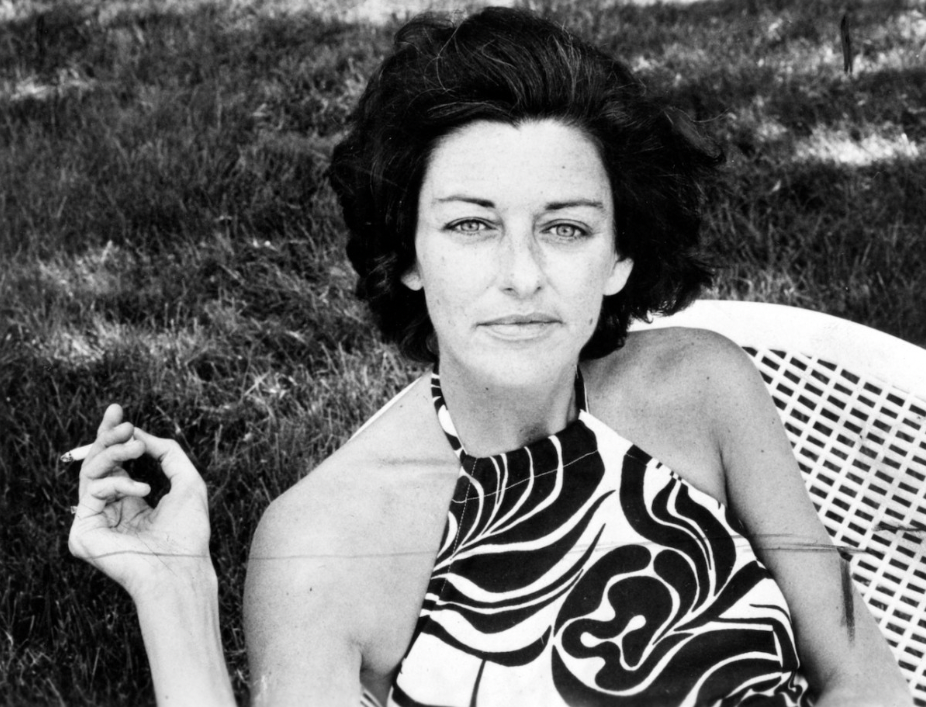
Anne Sexton:
Born Anne Gray Harvey (Newton (Massachusetts), 9 November 1928 – Weston (Massachusetts), 4 October 1974).
American poet. In 1967, she won the Pulitzer Prize for poetry.
This November there seems to be nothing to say.
I know that I have died before—once in November.
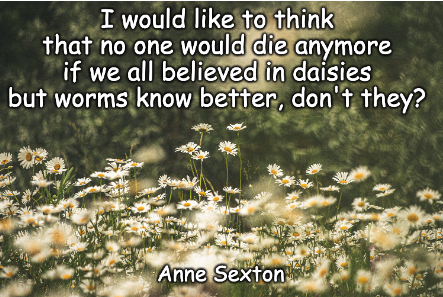
I would like to think that no one would die anymore if we all believed in daisies but worms know better, don’t they?
It is June. I am tired of being brave.
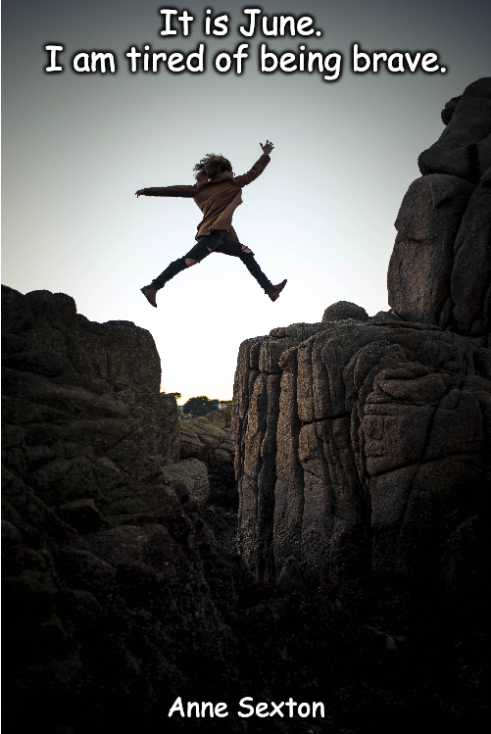
– ‘I am tired of having to stay strong.’
– ‘I can no longer pretend that everything is fine.’
– ‘Sadness, grief, or exhaustion break through the facade of courage.’
The sentence expresses a moment when someone has had enough of self-control, being strong, and carrying on. Especially in the context of ‘loss or grief,’ the statement carries a lot of weight.
✍️ Author: Anne Sexton
— an American poet, born in 1928 and died in 1974.
She is often counted among the ‘confessional poets,’ poets who wrote very personally about themes such as depression, family, trauma, death, and psychological vulnerability. 📖 Origin:
The line comes from the poem:
> “The Truth the Dead Know”
> by Anne Sexton
The poem appeared in her collection:
> “All My Pretty Ones” from 1962
The sentence is set in a context of ‘mourning and funerals’. The speaker refuses to participate in the formal, rigid rituals surrounding death and feels exhausted by the expectation to be “brave.”
🌿 Why “June”?
The mention of “June” is important:
– June normally evokes images of ‘summer, light, life, and blossoming’.
– In the poem, this contrasts with ‘death, loss, and inner emptiness’.
– This makes the sentence particularly poignant: outside it is summer, but inside there is sorrow.
Do not rely on February. The sun in this month begets a headache like an angel slapping you in the face.
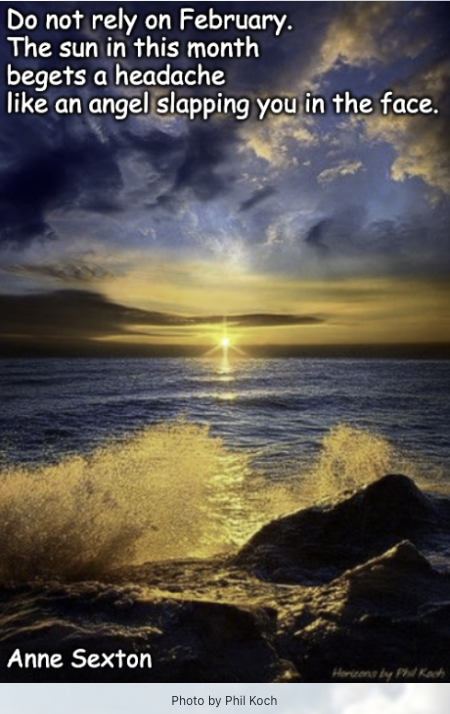
Which (as far as can be verified) is problematic. In common, officially published Sexton corpora (such as The Complete Poems, large anthologies, and frequently consulted volumes), this sentence is not consistently cited with a clear source. Therefore, in practice, it is considered unconfirmed/dubiously attributed: it could be Sexton, but the attribution is weak without a solid source. In short: Anne Sexton as the author is possible, but not solidly proven based on how the quotation is typically reported.
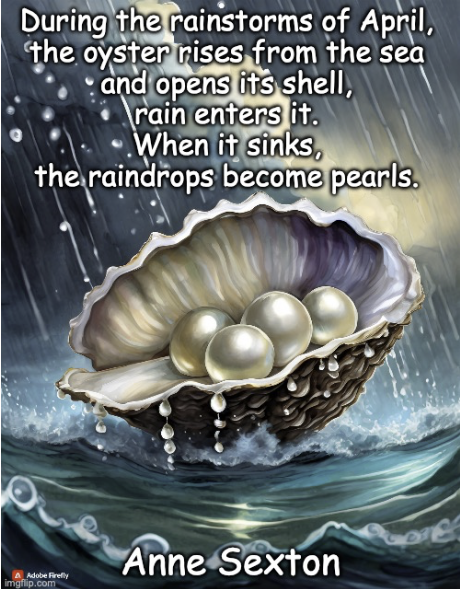
During the rainstorms of April, the oyster rises from the sea and opens its shell, rain enters it. When it sinks, the raindrops become pearls.