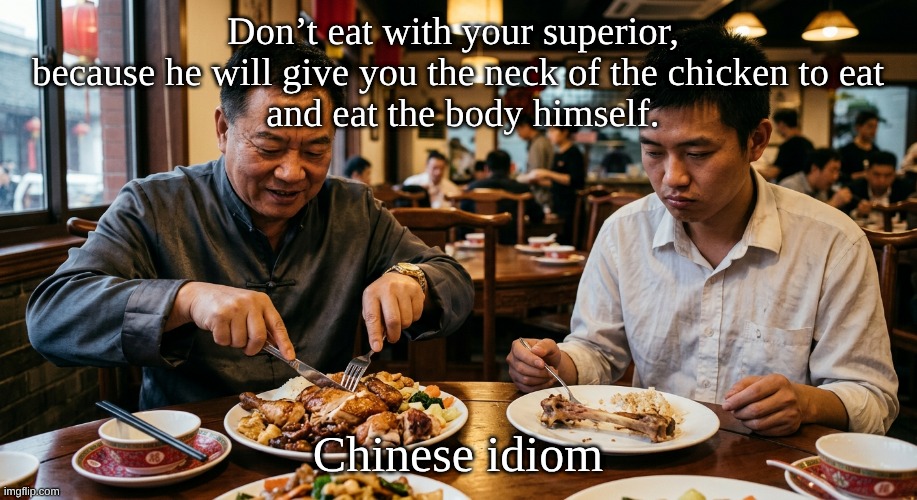
Don’t eat with your superior, because he will give you the neck of the chicken to eat and eat the body himself.
Image: Peter van Geest AI. Meaning 📖: This saying is a metaphor for an unequal relationship, specifically in the work context. ⚠️ Warning of Exploitation: It serves as a warning that a superior (the boss) will often keep the best opportunities or rewards for themselves (the chicken’s body). 🍗 Unequal Distribution: The subordinate (the employee) must settle for what is left over – the less valuable or “leftovers” (the chicken’s neck, which is often considered less meaty and less desirable). 🤝 Lack of Equality: It suggests that even if a situation appears friendly at first glance (eating together), the fundamental power dynamic will always work to the boss’s advantage. 🌏 Origin: The saying is generally considered a ‘Chinese saying’ or proverb. Cultural Context: The metaphor of sharing food, particularly specific parts of an animal that vary in value, is a common motif in Chinese imagery used to illustrate social and professional hierarchies. Form: It fits within the pattern of Chinese ‘chengyu’ (idiom) or folk wisdom, which often packages life lessons and observations of human behavior in simple yet powerful imagery. While the specific four-character structure of classical chengyu may not be directly applicable here, the concept is undoubtedly deeply rooted in Chinese culture. ✍️ Author: No specific author is known for this saying. 👤 Anonymous Folk Word: As with most proverbs and sayings, the origin cannot be traced back to a single individual. It is an expression of collective wisdom that has emerged over time and been passed down through the language and culture. 🕰️ Tradition: The power of these kinds of sayings lies not in who said them first, but in the timeless truth they contain, which is recognized and repeated through generations.
Those who are content are always happy.
Photo: Bernd Dittrich. Meaning: Those who know and accept their limits find true joy. Origin: Probably a contemporary interpretation or summary of a broader philosophical line of thought on limits and happiness, without a single known Chinese author.
Outside noisy, inside empty.
Image: Mohamed Hassen
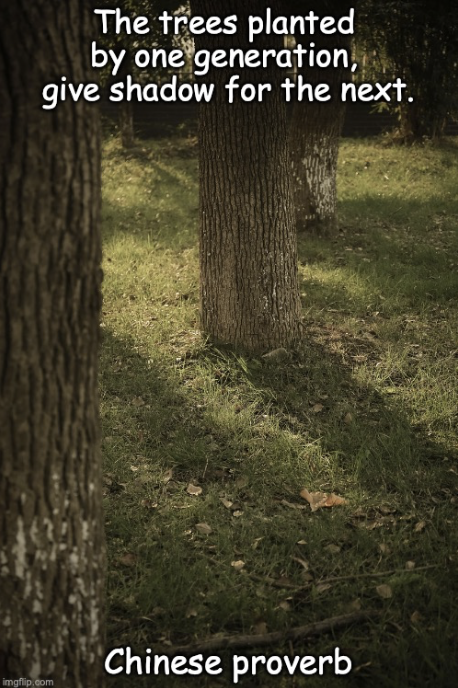
The trees planted by one generation, give shadow for the next.
Photo: Iuo1ying
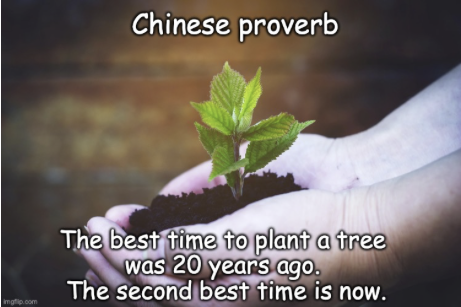
The best time to plant a tree was 20 years ago. The second best time is now.
AVAKA photo
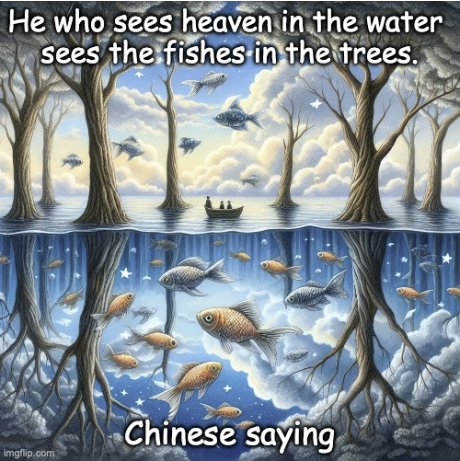
He who sees heaven in the water sees the fishes in the trees.
Image: Peter van Geest – AI
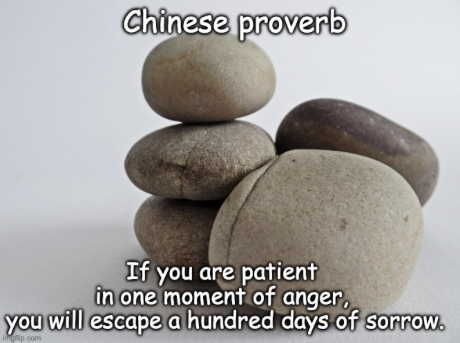
If you are patient in one moment of anger, you will escape a hundred days of sorrow.
Photo: Holger Langmaier
A glance, a smile, an appropriate word: this is how love arises.
Photo by Vinicius Wiesehofer
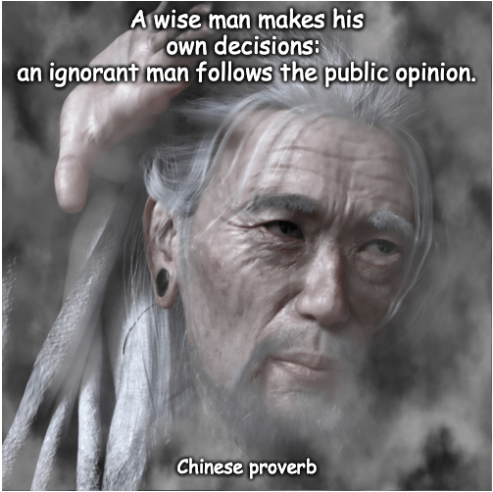
A wise man makes his own decisions: an ignorant man follows the public opinion.
Photo by 1tamara2
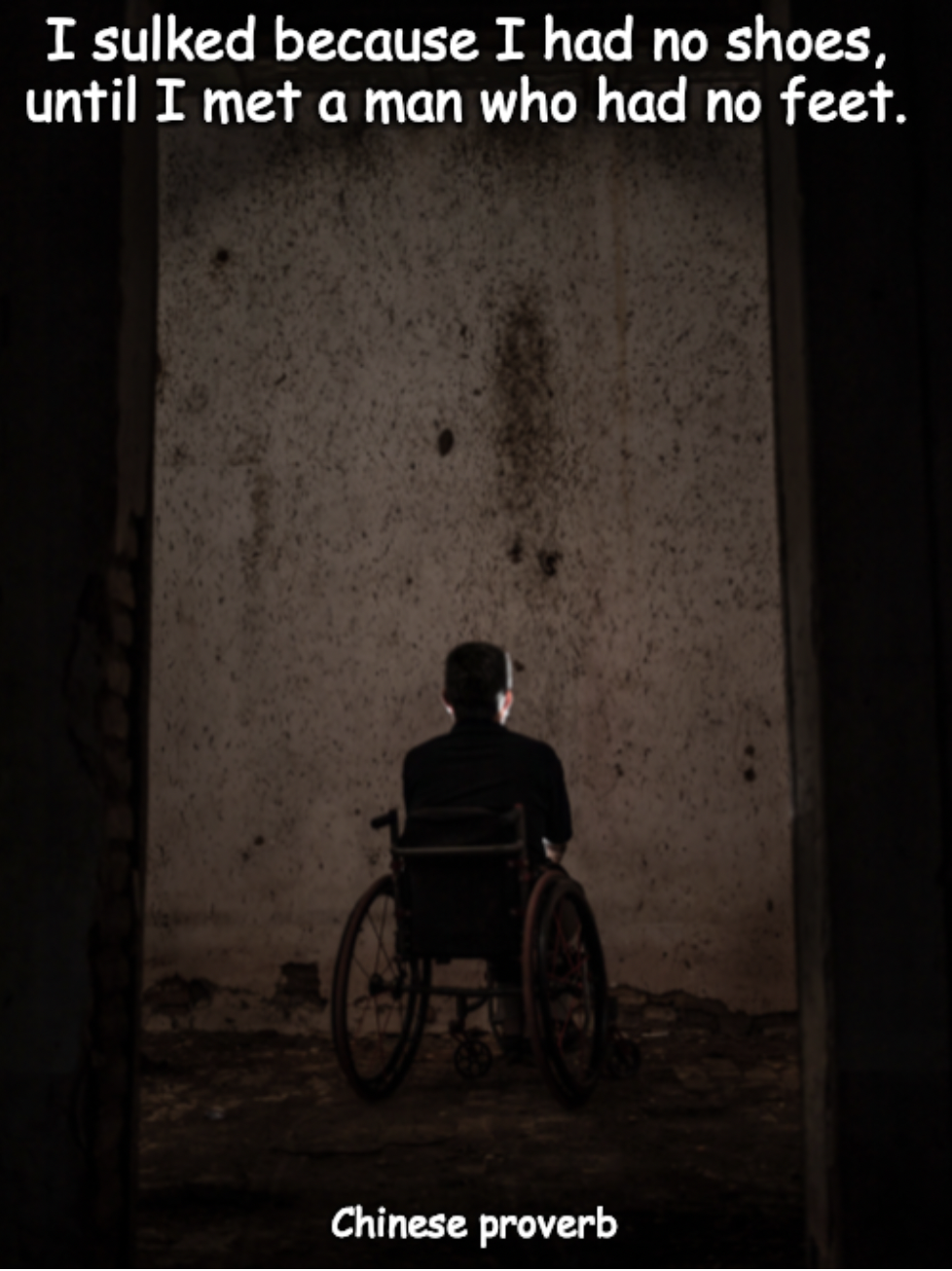
I sulked because I had no shoes, until I met a man who had no feet.
Photo by Alexandre Saraiva-Carniato
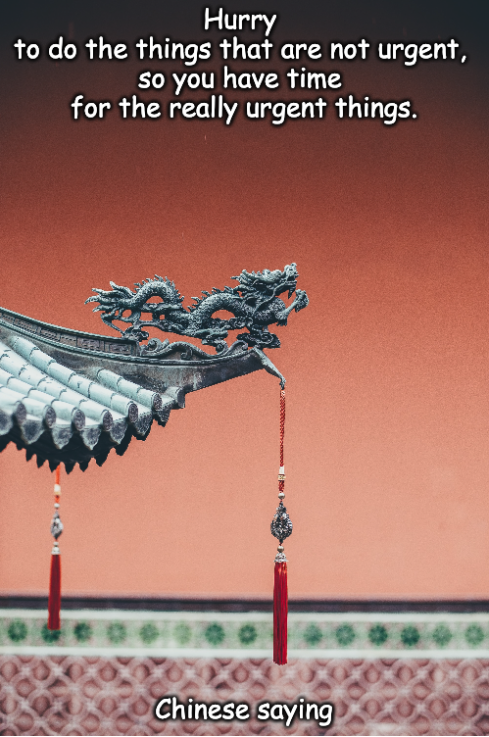
Hurry to do the things that are not urgent, so you have time for the really urgent things.
Photo by Annie Spratt
You can never be happy at the expense of the happiness of others.
Photo by proartspb
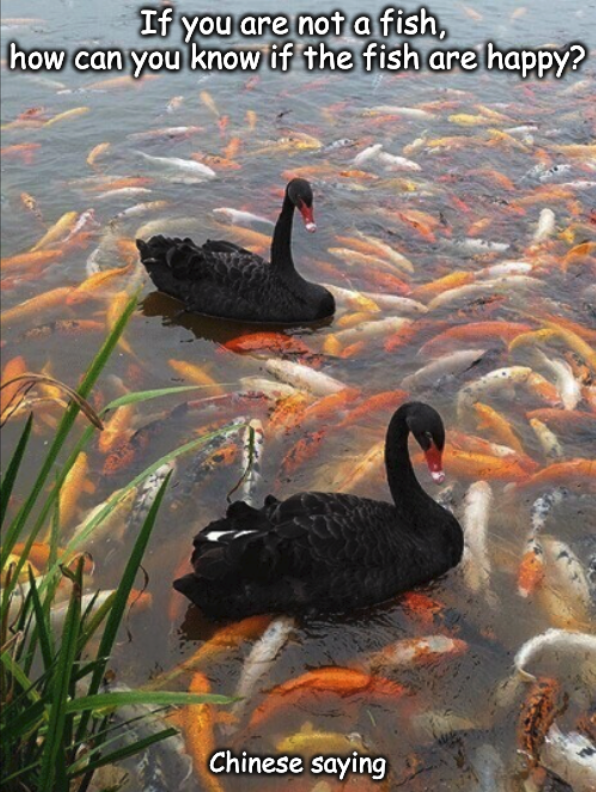
If you are not a fish, how can you know if the fish are happy?
Photo by proartspb
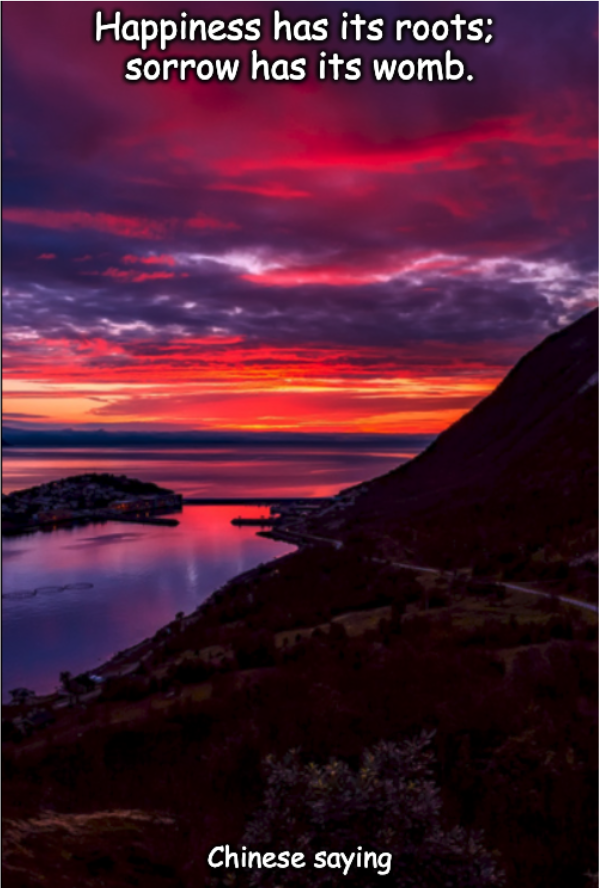
Happiness has its roots; sorrow has its womb.
Photo by wenaturelovers
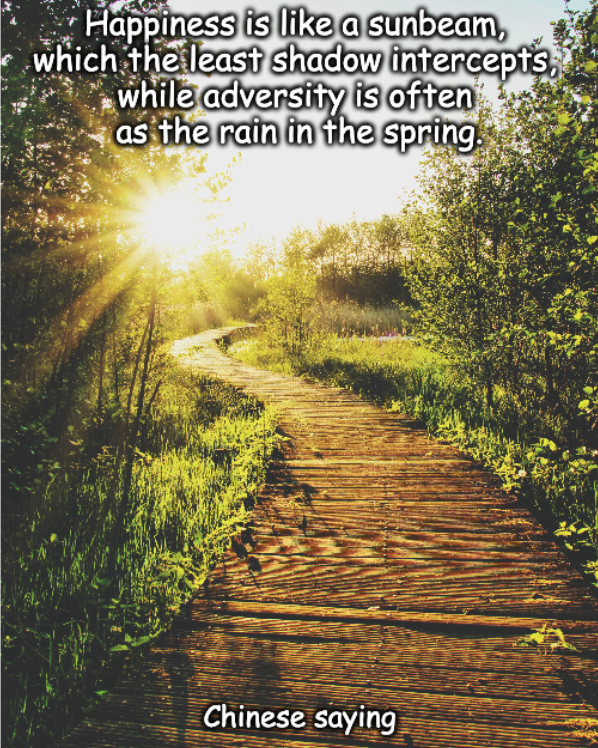
Happiness is like a sunbeam, which the least shadow intercepts, while adversity is often as the rain in the spring.
Photo by Leo Wieling
Happy is the man who knows he’s happy.
Photo by Warren
Happy people never count hours as they pass.
Photo by Helena Lopes
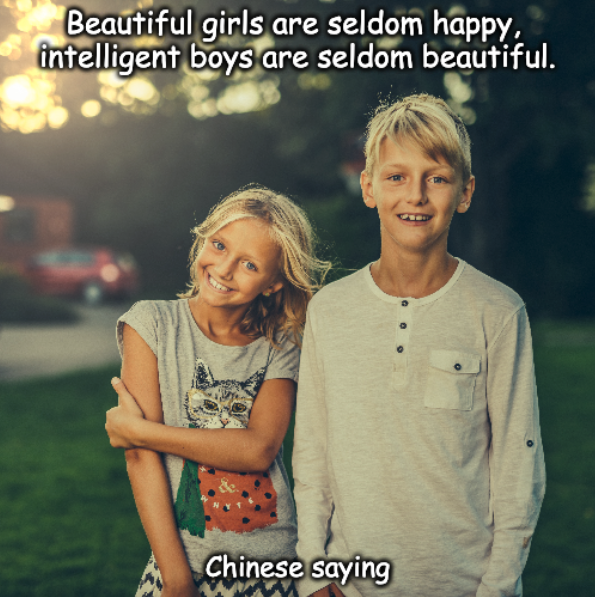
Beautiful girls are seldom happy, intelligent boys are seldom beautiful.
Photo by 🇸🇮 Janko Ferlič
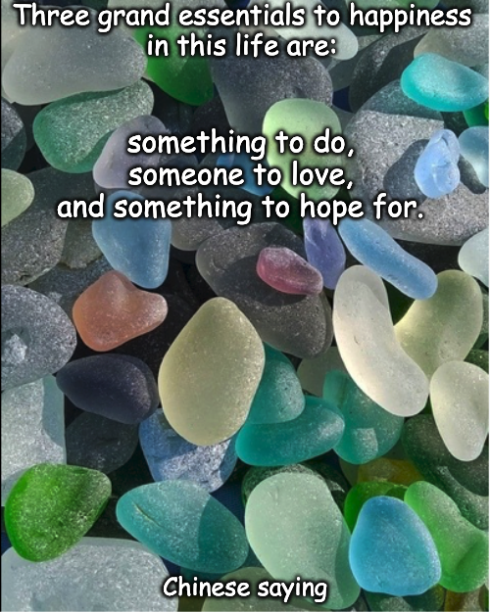
Three grand essentials to happiness in this life are something to do, someone to love, and something to hope for.
Photo by proartspb
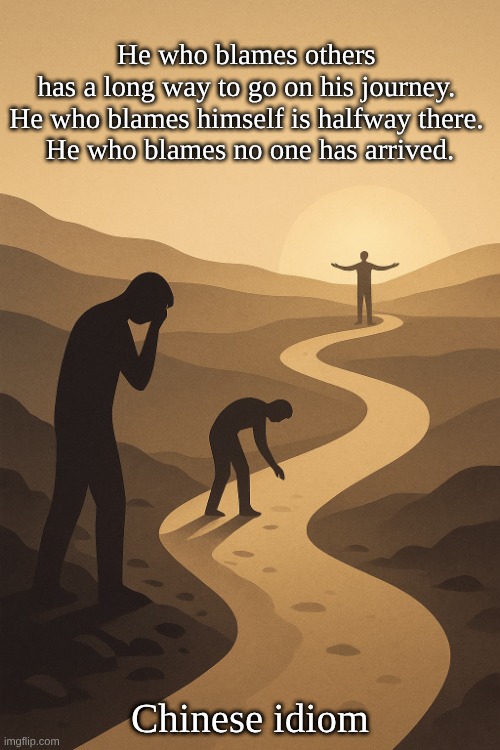
He who blames others has a long way to go on his journey. He who blames himself is halfway there. He who blames no one has arrived.
Image: Peter van Geest AI. Meaning: This refers to a moral and psychological path of growth in how we deal with responsibility, guilt and maturity. Origin: “Chinese proverb” is probably a generic term, without solid evidence.
A life with love is happy; a life for love is foolish.
Photo Emma Peneder
It is better to take many small steps in the right direction than to make a great leap forward only to stumble backwards.
Photo by Hayley Murray
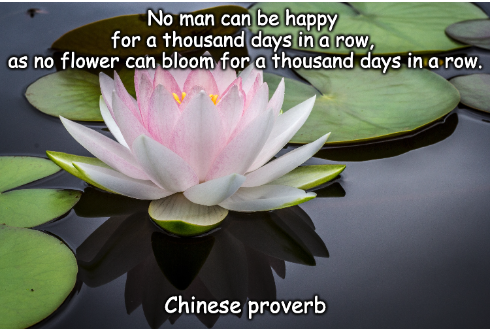
No man can be happy for a thousand days in a row, as no flower can bloom for a thousand days in a row.
Photo by Jay Castor
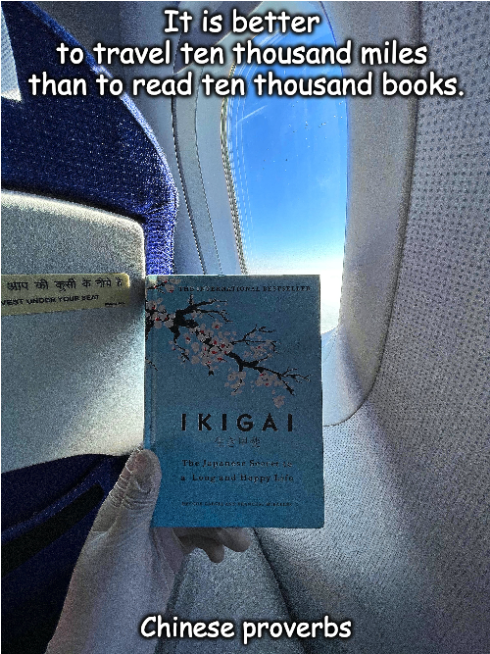
It is better to travel ten thousand miles than to read ten thousand books.
Photo by Arpan Goyal. Remark: Often, erroneously, attributed to Aristotle or Confucius
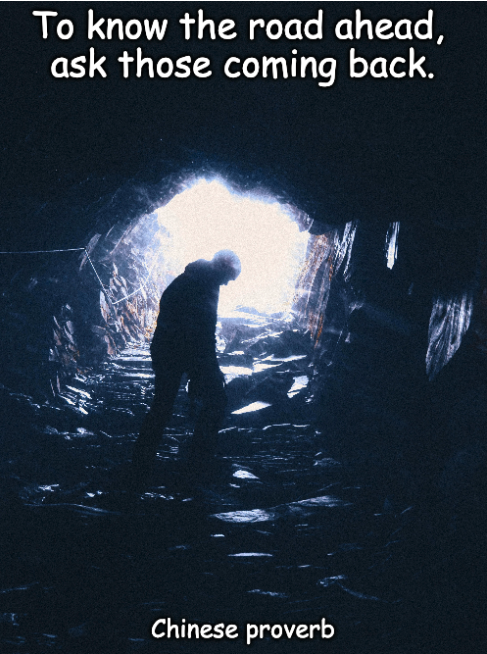
To know the road ahead, ask those coming back.
Photo by Joe Pearson
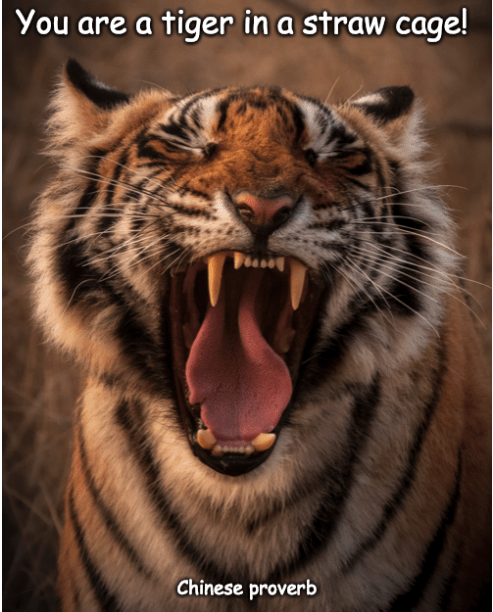
You are a tiger in a straw cage!
Photo by Kartik Lyer
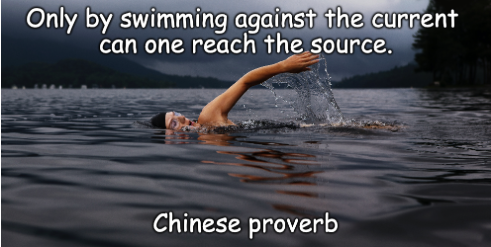
Only by swimming against the current can one reach the source.
Photo by Todd Quackenbush
The miracle is not to fly in the sky or walk on water, but to walk on the earth.
Photo: Andrew Neel. Significance: Ordinary life is wonderful enough
Door Pieter
Mensenmens, zoon, echtgenoot, vader, opa.
Spiritueel, echter niet religieus.
Ik hou van golf, wandelen, lezen en de natuur in veel opzichten.
Onderzoeker, nieuwsgierig, geen fan van de mainstream media (MSM).