Eugène Ionesco:
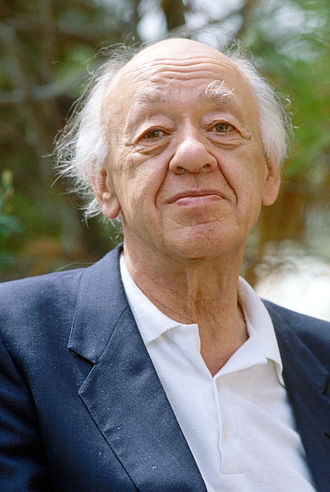
(Slatina (Romania), 26 November 1909 – Paris, 28 March 1994). Influential French playwright, born in Romania. He is considered one of the most important representatives of the absurd stage.
The brightest light, the light of Italy, the purest sky of Scandinavia, in the month of June is only a half-light when one compares it to the light of childhood. Even the nights were blue.
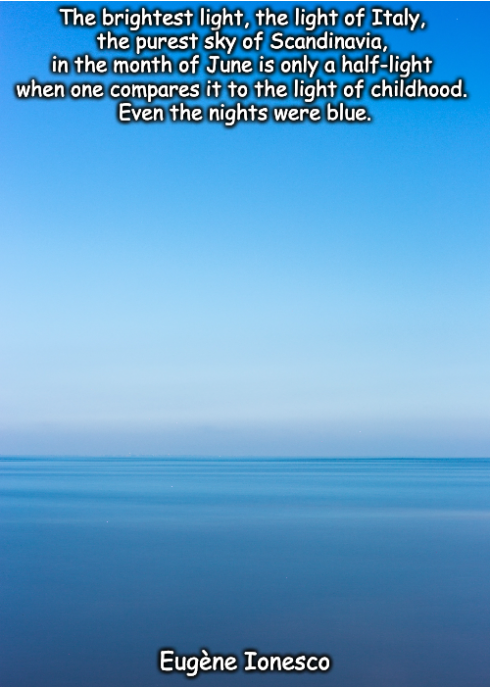
The quote means that ‘childhood seems in the memory clearer, purer and more intense than any adult experience’.
– The “light of Italy” refers to famous bright, warm Mediterranean light.
– The “purest sky in Scandinavia in June” refers to the almost endless, crystal clear northern summer light.
– Yet according to the quote they are only “half light” compared to the “light of childhood”.
So the gist is:
> ‘The world as one experiences it as a child — full of wonder, color, intensity and innocence — surpasses even the most beautiful nature experiences later in life.’
🌌 “Even the nights were blue”
This sentence reinforces the nostalgic image:
– even the darkness of childhood was not really dark;
– the nights had something soft, dreamy and magical;
– memory makes childhood an almost heavenly time.
The quote is therefore about ‘nostalgia, wonder, memory and the lost paradise of youth’.
📚 Origin:
The quote is usually traced back to the French work:
> “Journal en miettes”
> Eugène Ionesco, 1967
In English this appeared as:
> “Fragments of a Journal”
The work is not a play, but a collection of diary-like fragments and reflections. Ionesco writes about, among other things:
– childhood memories;
– fear and death;
– religion and meaning;
– imagination;
– the experience of time.
👤 Author:
– Name: Eugène Ionesco
– Original Romanian name: Eugen Ionescu
– Born: 1909, Slatina, Romania
– Died: 1994, Paris
– Nationality/culture: Romanian-French
– Known as: playwright, essayist, diarist
– Movement: absurdist theatre
Well-known works:
– ‘La Cantatrice chauve’ — ‘The bald singer’
– ‘Les Chaises’ — ‘The Chairs’
– ‘Rhinocéros’ — ‘Rhinoceros’
– ‘Le Roi se meurt’ — ‘The king dies’
Although Ionesco is best known as a playwright of the absurdist theater, this quote comes from his ‘personal, contemplative prose’.
