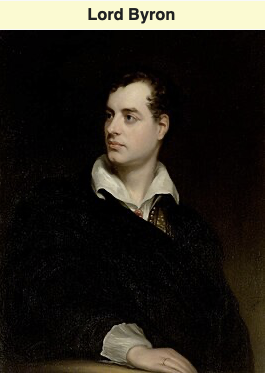
George Gordon Byron:
(London, 22 January 1788 – Mesolongi, 19 April 1824) Known as Lord Byron, was an English Romantic poet and writer. Byron’s reputation rests not only on his writings, but also on his life full of aristocratic excesses, huge debts and numerous love affairs. Lady Caroline Lamb called him ‘mad, wicked and dangerous to know’.
The English winter ending in July to recommence in August.
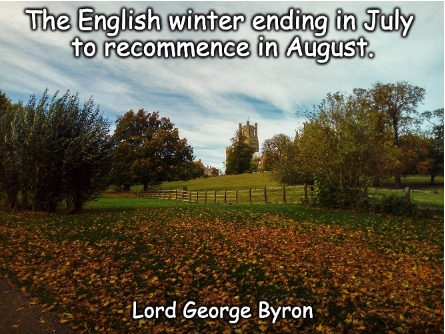
This is a ‘humorous, sarcastic comment on the English climate’. It means:
– England’s weather is so cold, wet, and gloomy that ‘winter seems to last until July’.
– There is only a very short “summer” — perhaps just July.
– Then winter-like weather ‘starts again in August’.
In modern terms:
> “England barely has a summer.”
It is less an idiom than a ‘literary quotation or witty saying’.
✍️ Author: Lord Byron, but his usual name is:
> George Gordon Byron, 6th Baron Byron
> commonly known as Lord Byron
“Lord George Byron” is not the usual form.
📚 Origin / Source:
The line comes from Byron’s satirical epic poem “Don Juan”, specifically ‘Canto XIII’.
The fuller passage begins:
> “The English winter—ending in July,
> To recommence in August—now was done;
> ’Tis the postilion’s Paradise: wheels fly…”
Byron is joking that English winter has only just ended, though it is already July, and that it will begin again in August.
🌧️ Context:
Byron was satirizing English society and habits, and English weather was an easy target. The phrase reflects a long-standing joke that Britain’s climate is dreary, damp, and unpredictably cold even in “summer.”
So the line is essentially a witty complaint about the ‘shortness and unreliability of the English summer’.
Truth is always strange, stranger than fiction.
Friendship is love without wings.

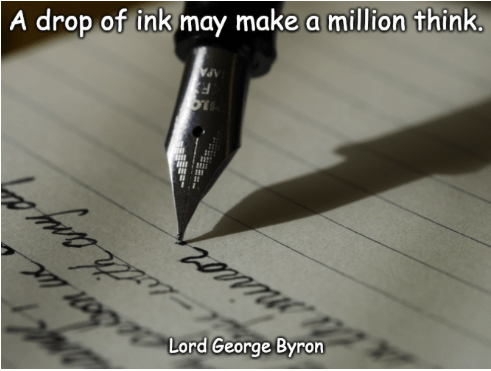
A drop of ink may make a million think.
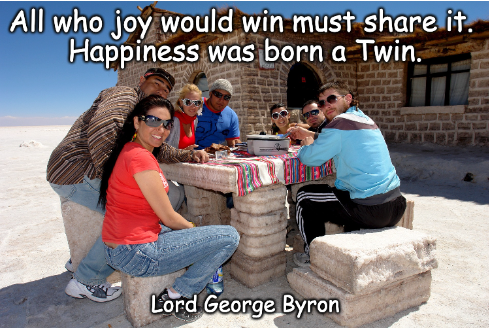
All who joy would win must share it. Happiness was born a Twin.
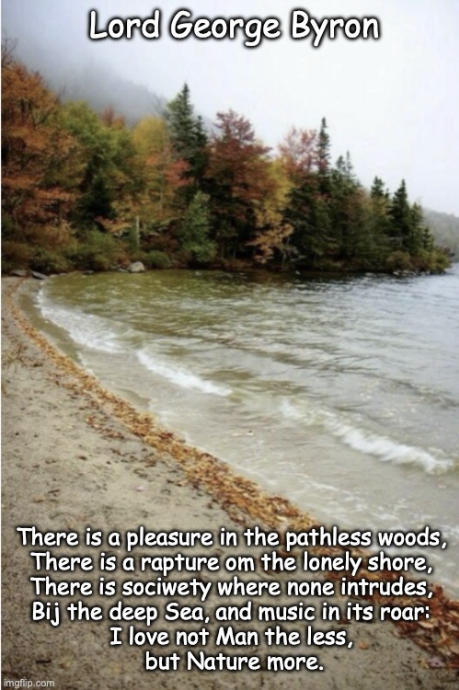
There is a pleasure in the pathless woods, There is a rapture om the lonely shore, There is sociwety where none intrudes, Bij the deep Sea, and music in its roar: I love not Man the less, but Nature more.
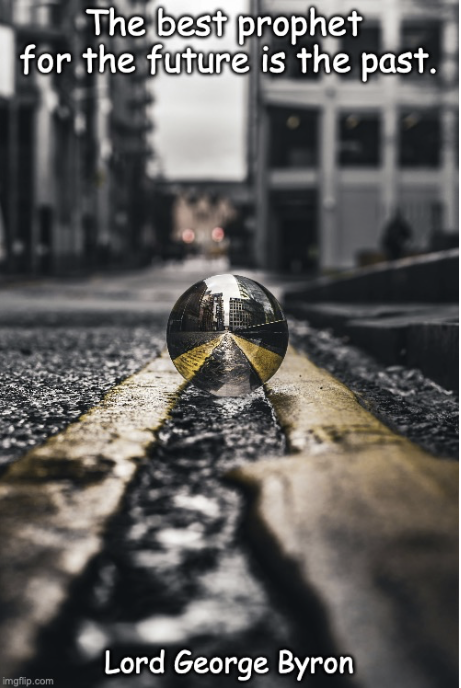
The best prophet for the future is the past.
And, after all, what is a lie? ‘T is but the truth in masquerade.