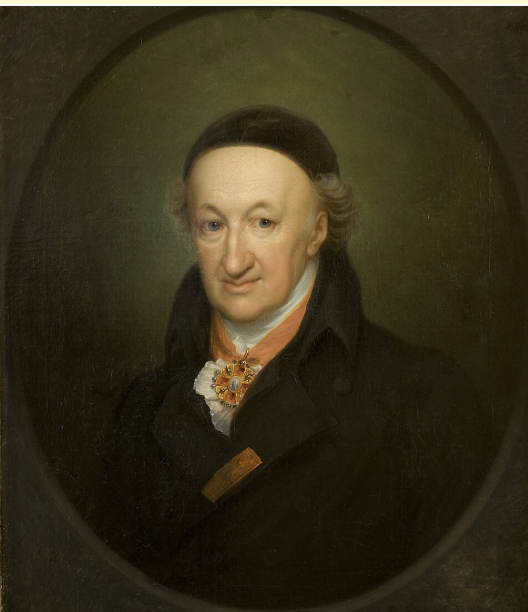
Christoph Martin Wieland:
(Oberholzheim, September 5, 1733 – Weimar, January 20, 1813). German Rococo writer. He represents, as the only German author of significance, a movement called humorous classicism.
All too often the gods are mere wire puppets of their priests.
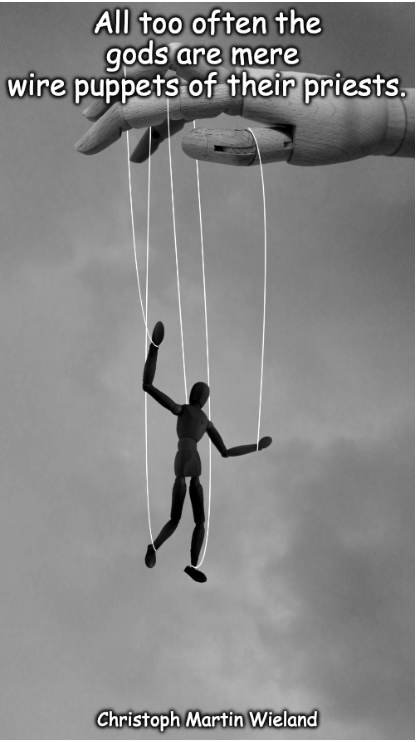
It’s a classic Enlightenment critique of institutionalized religion. Wieland is saying that the divine — the actual object of religious faith — is frequently not what really governs religious life; instead, the priesthood manipulates the image of the gods to serve its own interests, authority, and power. The gods become a kind of ventriloquist’s dummy: they appear to speak and act, but the priests are the ones pulling the strings behind the scenes, shaping doctrine, ritual, and “divine will” to suit human institutional purposes rather than the other way around. It’s in the same intellectual family as other 18th-century critiques of priestcraft (a favorite target of Enlightenment writers across Europe, from Voltaire to Diderot), pointing to the gap between genuine religious truth and the political/institutional uses that religious authorities make of it.
Origin:
This line circulates widely as a standalone aphorism attributed to Wieland in German quotation collections, though most of these sites don’t cite a specific book, letter, or essay of his — it’s typically presented simply as one of his aphoristic sayings (‘Aphorismen/Sentenzen’) rather than tied to one named work like “Agathon” or the “Geschichte der Abderiten” (his satire on provincial priestcraft and superstition, which would thematically fit this sentiment very well). If you need it for a citation with a precise textual source (page/work), I’d recommend checking a scholarly edition of Wieland’s collected works or aphorism compilations, since the popular quote sites don’t give a primary-source reference.
Author:
Christoph Martin Wieland (1733–1813), the German Enlightenment poet, translator, and novelist (author of “Geschichte des Agathon”, considered the founding work of the German ‘Bildungsroman’).
The original German is: “Nur zu oft sind die Götter bloße Drahtpuppen ihrer Priester.”
– Literal translation: “All too often the gods are mere wire puppets (marionettes) of their priests.” (‘Drahtpuppen’ literally means “wire dolls/puppets” — the kind moved by wires or strings, as opposed to hand puppets.)
