(Oak Park, 21 July 1899 – Ketchum, 2 July 1961).
American writer and journalist who won the Pulitzer Prize for literature in 1953 with The Old Man and the Sea and received the Nobel Prize in Literature in 1954. Hemingway produced most of his works between the mid-1920s and the mid-1950s. His sober, journalistic-derived writing style contrasted sharply with his image as an adventurer and his turbulent personal life, and was to exert great influence on modern American and European prose.
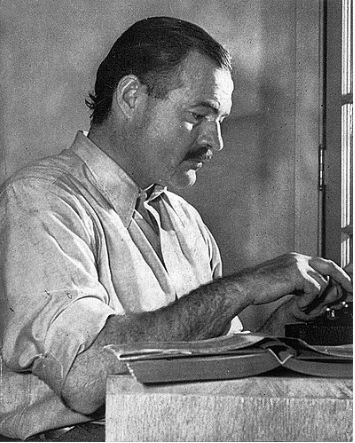
Ernest Hemingway (1939). Photo: wikipedia.org
The most painful thing is losing yourself in the process of loving someone too much, and forgetting that you are special too.
Photo by evangelinar
All stories, if continued far enough, end in death.
Photo by Nong V
A big lie is more plausible than the truth.
Photo by brotiN biswaS
Never to go on trips with anyone you do not love.
Photo: Cynthia Magana. Meaning 📖 ✈️: This quote is often cited as wise advice regarding human relationships and the nature of travel. Travel as a test: Traveling, especially for extended periods, takes people out of their comfort zone. It brings stress, unexpected situations, and fatigue. Revelation of character: Under these circumstances, a person’s true character traits surface. Minor irritations can escalate into major arguments. The necessity of affection: If there is no fundamental love, respect, or deep affection, the challenges of travel can destroy a relationship (friendship or romantic). Love provides the patience and tolerance needed to travel together. Strengthening the bond: Conversely, traveling with someone you love can strengthen the bond, as you create memories and overcome obstacles together. 🖋️ The Author: This quote is generally attributed to the famous American writer Ernest Hemingway.Hemingway’s lifestyle: The quote aligns well with Hemingway’s own adventurous life. He traveled extensively (Paris, Spain, Africa, Cuba) and often wrote about intense experiences, friendship, and relationships. 🔍 Origin and Context: Although the quote is firmly linked to Hemingway, the exact source in his published work is sometimes a subject of debate among academics. ‘A Moveable Feast’: It is often associated with his memoirs about his time in Paris in the 1920s, ‘A Moveable Feast’ (published posthumously in 1964). In this book, he reflects on his early years, his first marriage, and the people he met. Context: In the context of that book, the sentence is often seen as a warning or a lesson he learned about the fragility of relationships and the influence of outsiders (the “rich” who entered his life). Uncertainty: Some sources point out that the sentence may not have appeared ‘literally’ in the first editions of the book, but is a paraphrase of his ideas, or that it featured more prominently in later, revised versions (such as the ‘Restored Edition’). The Consensus: Despite the debate about the ‘exact’ textual source, the consensus in pop culture and among most readers is that this is an authentic Hemingway thought. 💡 Conclusion: The statement “Never travel with someone you do not love” is timeless advice that views travel as the ultimate relationship test. It is rightly attributed to Ernest Hemingway, whose own life and work were steeped in travel and the complexity of human relationships.
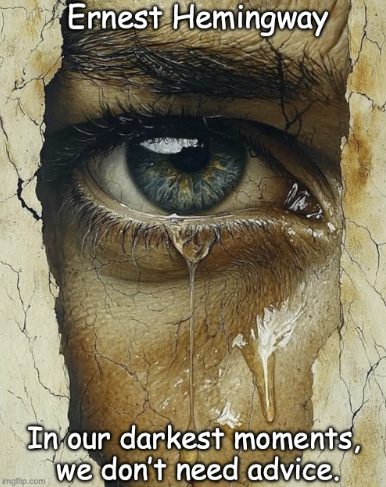
In our darkest moments, we don’t need advice.
Photo: Uzoma Osi Destiny
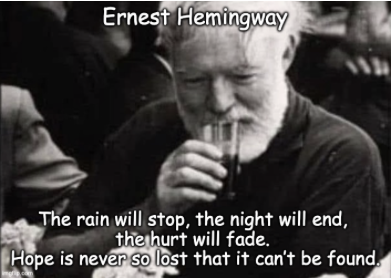
The rain will stop, the night will end, the hurt will fade. Hope is never so lost that it can’t be found.
Ernest Hemingway. Photo: English Literature: A Community
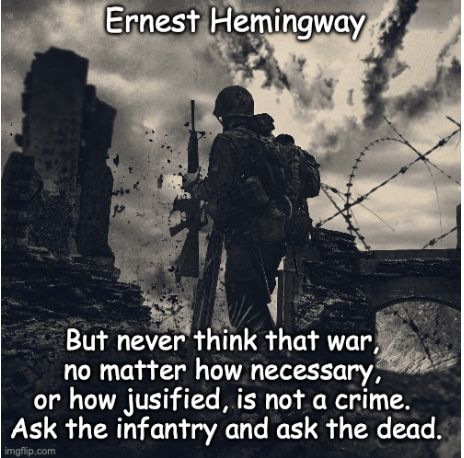
But never think that war, no matter how necessary, nor how jusified, is not a crime. Ask the infantry and ask the dead.
Photo: Matthias Lipinski
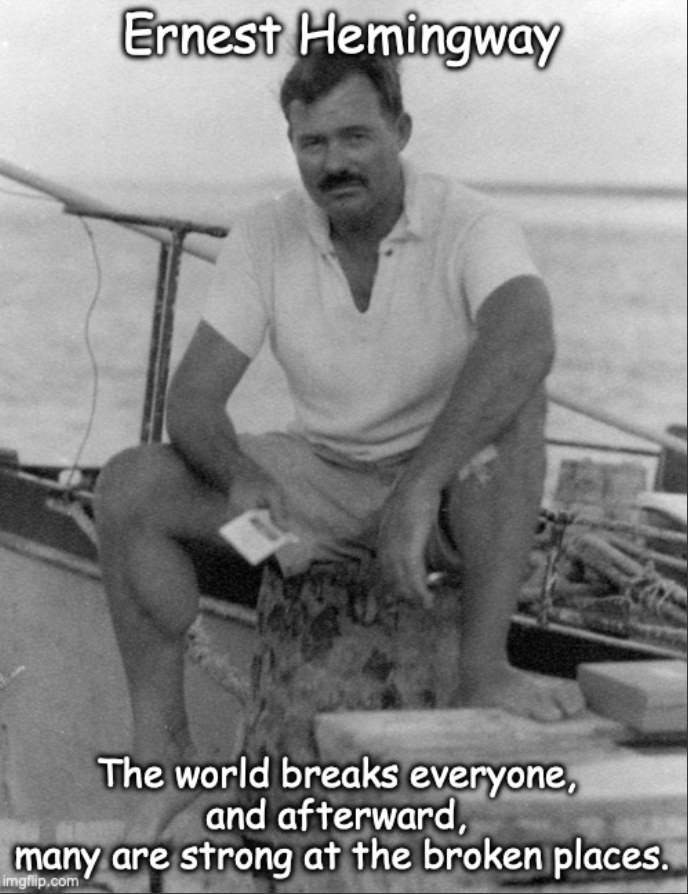
The world breaks everyone, and afterward, many are strong at the broken places.
Ernest Hemingway. Photo: artwall.ru. Meaning:Essence: The quote refers to human vulnerability. Everyone experiences pain and setbacks in life, which can break them. Strength from vulnerability: However, after these breaks, people can become stronger, especially in the places where they were previously broken. This emphasizes the resilience of the human spirit. Origin: Literary: This quote comes from the book “A Farewell to Arms” by Ernest Hemingway.Context: The book deals with themes of war, love, and the impact of trauma on the individual. Author:Ernest Hemingway: Born on July 21, 1899, died on July 2, 1961. Renowned American author and journalist. Known for his concise writing style and profound themes. Summary: The quote emphasizes human vulnerability and resilience. It comes from the work of the famous author Ernest Hemingway.
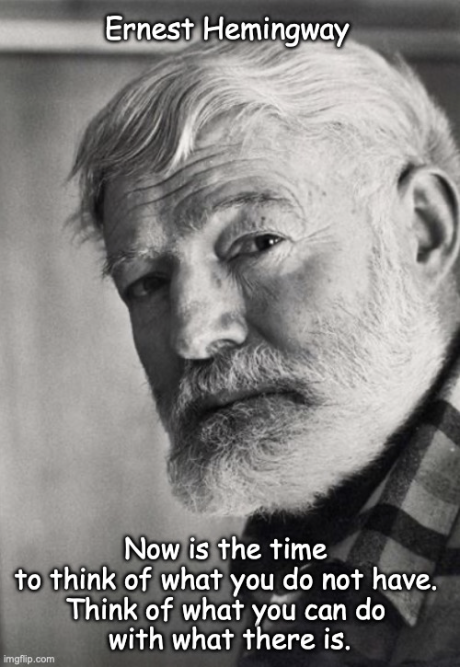
Now is the time to think of what you do not have. Think of what you can do with what there is.
Ernest Hemingway, Ketchum, 1959. Photo: John Bryson
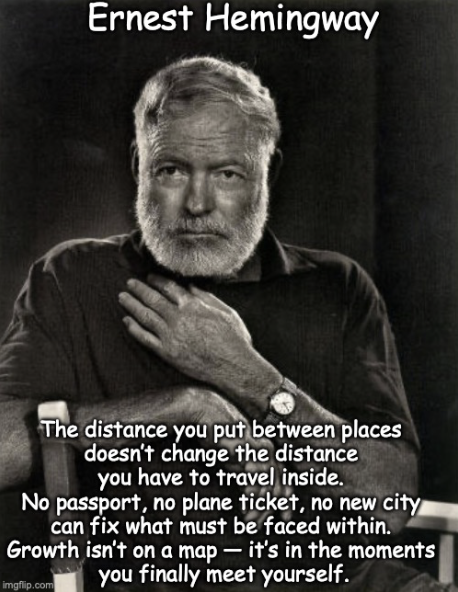
The distance you put between places doesn’t change the distance you have to travel inside. No passport, no plane ticket, no new city can fix what must be faced within. Growth isn’t on a map — it’s in the moments you finally meet yourself.
Ernest Hemingway. Photo: rolexencyclopedie.nl
Door Pieter
Mensenmens, zoon, echtgenoot, vader, opa.
Spiritueel, echter niet religieus.
Ik hou van golf, wandelen, lezen en de natuur in veel opzichten.
Onderzoeker, nieuwsgierig, geen fan van de mainstream media (MSM).