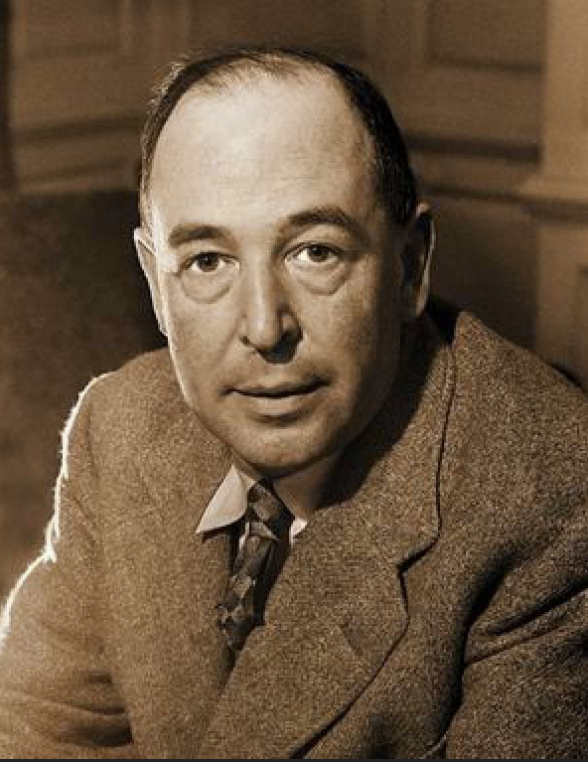
Clive Staples Lewis:
(Belfast, 29 November 1898 – Oxford, 22 November 1963).
Irish-born British writer, professor, man of letters and Christian apologist.
You can make anything by writing.

One of the most cowardly things ordinary people do is the shut their eyes to facts.
There are far, far better things ahead than any we leave behind.
Read at face value, it’s a statement of hope about mortality and the afterlife: whatever we lose or leave behind in this life (people, places, seasons of happiness) is nothing compared to what awaits beyond death. It’s most often used in a Christian eschatological sense — a comfort at funerals, in grief, or when facing the end of life — though people also borrow it more loosely for any transition (moving on from a job, a chapter of life, etc.).
Origin/authorship:
This is the interesting part. Researcher William O’Flaherty, who runs a long-running project called “Confirming C.S. Lewis Quotations” specifically aimed at tracking down which popular Lewis quotes are genuine, lists this exact line among his “Not Quite Lewis” series of questionable quotations. In his write-up, he speculates that it may be a mangled memory of the famous closing line of Dickens’ “A Tale of Two Cities” — “It is a far, far better thing that I do, than I have ever done” — blended with Lewis-sounding sentiment, rather than something Lewis actually wrote.
That said, some fan sites and blogs claim a source: one blog states the quote comes from Lewis’s “Letters to an American Lady”, tying it to reflections on eternal life rather than a mere motivational platitude. However, I couldn’t verify that citation against an actual passage in that book — it’s the kind of secondary claim that circulates without anyone pointing to a page number, which is exactly the pattern O’Flaherty’s project exists to catch.
Bottom line:
The attribution to C.S. Lewis is popular but unconfirmed — it sits in that large category of “quotes everyone has heard as Lewis” that scholars haven’t been able to pin down in his actual writings. If you want to use it, it’s safest to present it as “attributed to C.S. Lewis” rather than a sourced quotation.
Everyone thinks forgiveness is a lovely idea until he has to forgive.
You are never too old to set another goal or to dream a new dream.

You don’t have a soul. You are a soul. You have a body.
The truth is, of course, that what one regards as interruptions are precisely one’s life.
Humility is not thinking less of yourself, but thinking of yourself less.
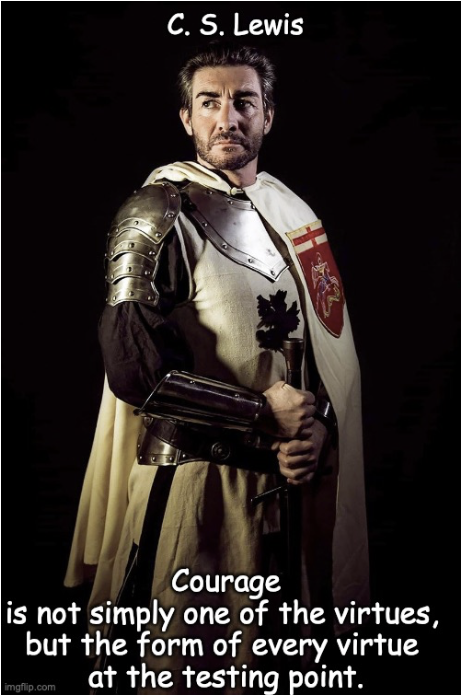
Courage is not simply one of the virtues, but the form of every virtue at the testing point.
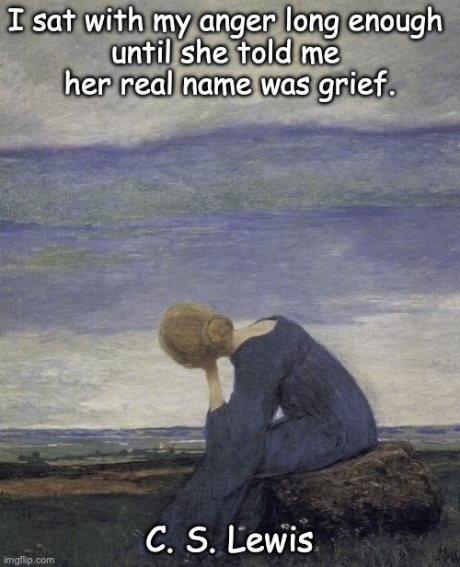
I sat with my anger long enough until she told me her real name was grief.
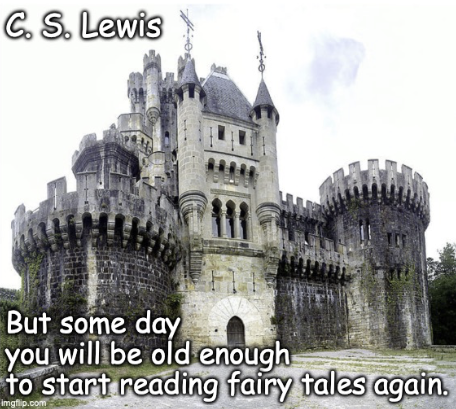
But some day you will be old enough to start reading fairy tales again.
You are never too old to set another goal or to dream a new dream.