Edmund Percival Hillary:
(Auckland, 20 July 1919 – there, 11 January 2008).
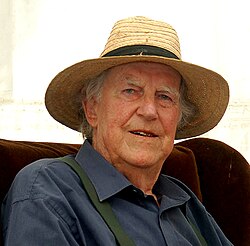
New Zealand mountaineer, explorer, diplomat and publicist. He enjoyed fame as part of the duo that became the first mountaineers to climb the summit of Mount Everest, a feat he accomplished with Nepalese Sherpa Tenzing Norgay on 29 May 1953. According to a memo from Edmund Hillary in the Royal Geographical Society archives, they were the first to reach the summit, although Norgay and Hillary had later agreed not to disclose this.
I did have my moments of despair. It was certainly not. It’s not an experience I would like to have again. And then, June came along.
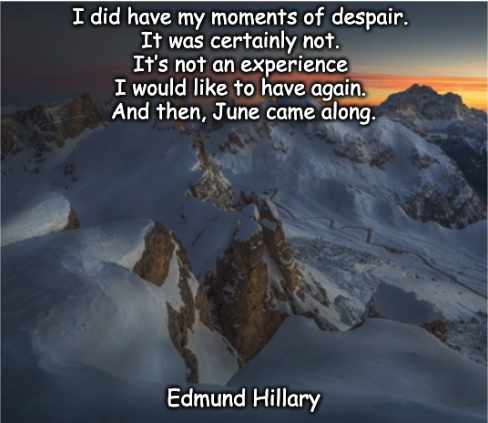
The gist is roughly:
– Someone has experienced deeply difficult moments before.
– The described moment may have been tough, dangerous, or unpleasant, but not necessarily pure despair.
– Yet it was so unpleasant that he/she does not want to go through it again.
– “And then came June” sounds like a transitional phrase: after that, a new phase began, possibly with different circumstances or problems.
In the context of mountaineering, June could be important because the ‘monsoon’ begins in the Himalayas around that time. That means: worse weather, snow, rain, more dangerous routes, and often the end of a climbing season.
🏔️ Connection to Edmund Hillary?
Sir Edmund Hillary was the New Zealand mountaineer who, together with Tenzing Norgay, became the first confirmed summit of Mount Everest on May 29, 1953. The tone of the quote — sober, understated, not dramatic — fits Hillary’s reputation. He was known for his practical and unsentimental way of speaking about extreme experiences.
However: the exact phrasing given here is ‘not one of his famous, well-documented quotes’.
Famous Hillary quotes include, for example:
> “It is not the mountain we conquer, but ourselves.”
> “Well, George, we knocked the bastard off.”
He reportedly said the latter to George Lowe after the successful ascent of Everest.
📚 Origin:
The sentence likely appears to originate from:
– an English-language biography or expedition report;
– a translation regarding the Everest expedition;
– or an article quoting Hillary or another mountaineer.
The passage “And then came June” sounds primarily like a ‘narrative sentence by an author’, not part of a famous quote. It is therefore possible that only the first part was intended as a statement, while “And then came June” forms the transition in the story.
Author: Possibly attributed to Edmund Hillary, however not certain.
