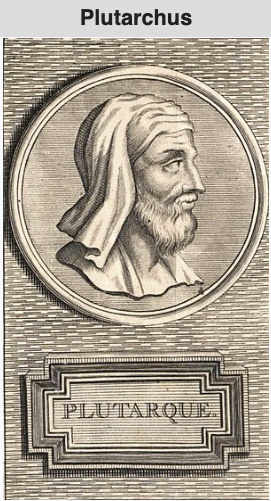
Plutarchus:
Ploutarchos, Ancient Greek: Πλούταρχος, or Plutarchus,
Roman name: L. Mestrius Plutarchus.
Important historian and philosopher from the time of ancient Greece. He lived from around 46 to at least 120 AD; his exact date of death is not known.
The brain is not a glass to fill, but a lamp to light.

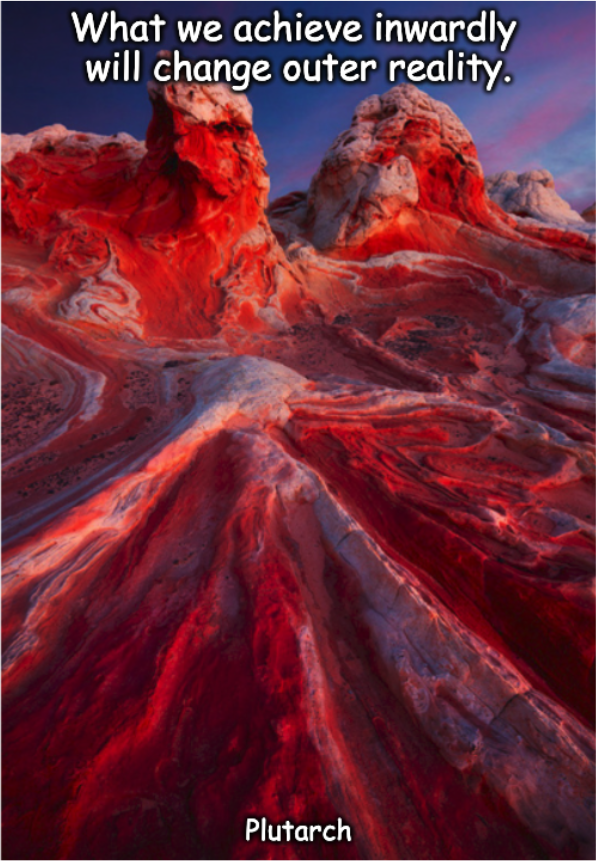
What we achieve inwardly will change outer reality.
The wildest colts make the best horses.
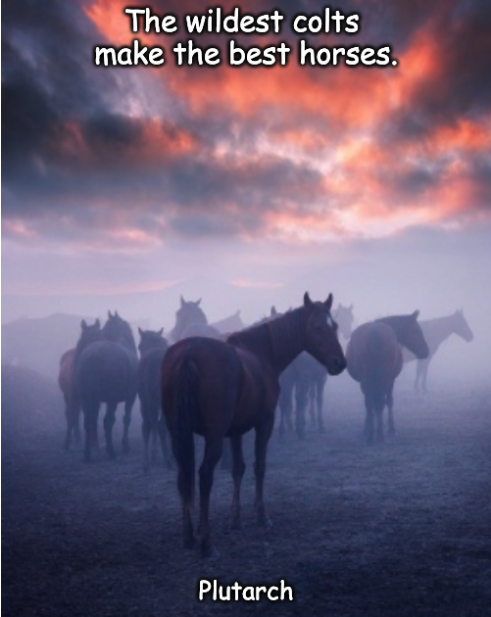
“He’s a bouncy ball now, but yes: the wildest foals make the best horses.” “That temperament can become a strength later.” 📜 Origin: This is an old, widespread European proverb that you encounter in several languages/variants (including German-like formulations with Fohlen/Pferde). In Dutch, it appears in proverb collections and is primarily known as folk wisdom (not as a single “literary quotation” with a fixed source). This is likely a mechanism. It is highly likely that the proverb either originated in parallel in several countries (same metaphor: young animal → adult animal), or circulated through translation/adoption from a neighboring country (particularly a German equivalent). 👤 Author: is this from Plutarch? In short: there is no solid basis to consider this proverb a literal quotation from Plutarch. What often happens is that proverbs are later assigned an “authoritative” name (such as Plutarch) to give them weight. Plutarch did write about character, temperament, and education in his moral works, but this specific saying about horses/foals is not known as a traceable, fixed formulation from his corpus. ✅ Conclusion: treat “(Plutarch?)” as doubtful / probably apocryphal. 🔎 Related variants (same idea, different words): “Naughty/busy children often make feisty adults.” “A hot horse becomes a strong horse” (loose variants exist). Similar proverbs with the same meaning exist outside the Netherlands: wild foal → best horse.
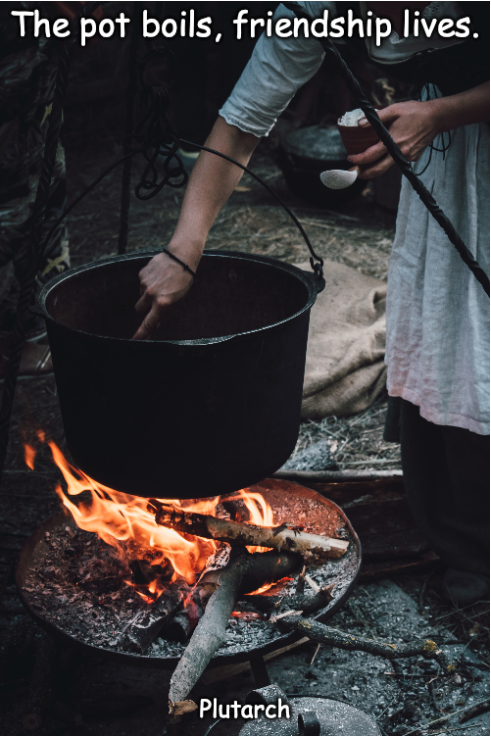
The pot boils, friendship lives.
You must not fight too often with one enemy, or you will teach him all your art of war.

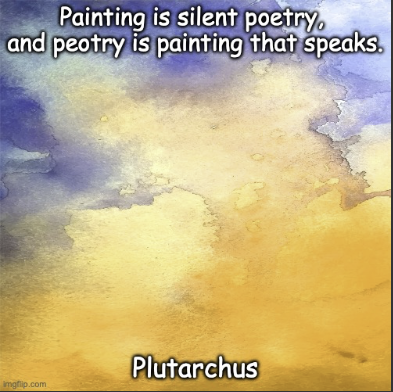
Painting is silent poetry, and peotry is painting that speaks.