(1368-1644).
A Ming Dynasty scholar and philosopher. He wrote about it in his book “Admonitions for Daily Life” (呻吟语, Shēnyín Yǔ).
He was a versatile intellectual, civil servant, and moralist.
Lǚ Kūn enjoyed a successful career in government, culminating in the high position of Minister of Justice. He was known as a practical, competent, and just administrator. His experience in governing provinces and his involvement in administrative affairs gave him a realistic view of human nature and society, which is strongly reflected in his writings.
Lǚ Kūn is considered a member of the Neo-Confucian school, but he had a highly individual, pragmatic approach.
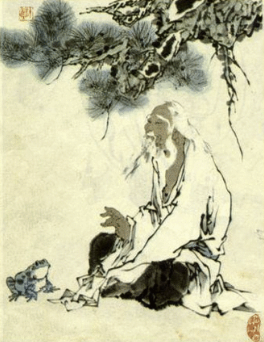
Liú Kūn. Artist impression. Image: wikipedia.org
Happy is the man without sickness. Rich is the man with no debts.
Photo: Meysam Jarahkar. Meaning: Together, the two lines emphasise that true prosperity and happiness do not come from external wealth, but from internal peace of mind, which is achieved through good health and financial independence. It is a timeless message that is as relevant today as it was centuries ago in Ming Dynasty China. Origin: Attributed to Lǚ Kūn (吕坤), a Ming dynasty (1368-1644) scholar and philosopher. He wrote it in his book ‘Admonitions for Daily Life’ (呻吟语, Shēnyín Yǔ).
Door Pieter
Mensenmens, zoon, echtgenoot, vader, opa.
Spiritueel, echter niet religieus.
Ik hou van golf, wandelen, lezen en de natuur in veel opzichten.
Onderzoeker, nieuwsgierig, geen fan van de mainstream media (MSM).