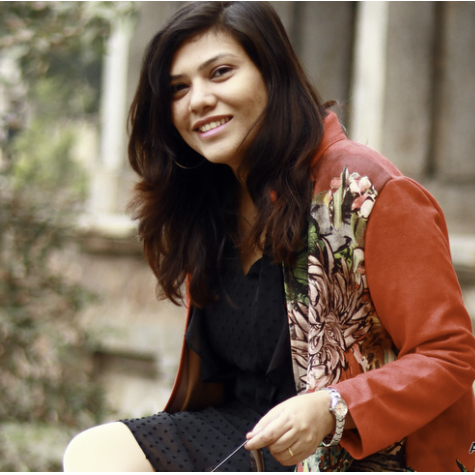
Indian Author, Travel Blogger, Motivational Speaker & Mentor.
Photo: Anamika Mishra – anamikamishra.com
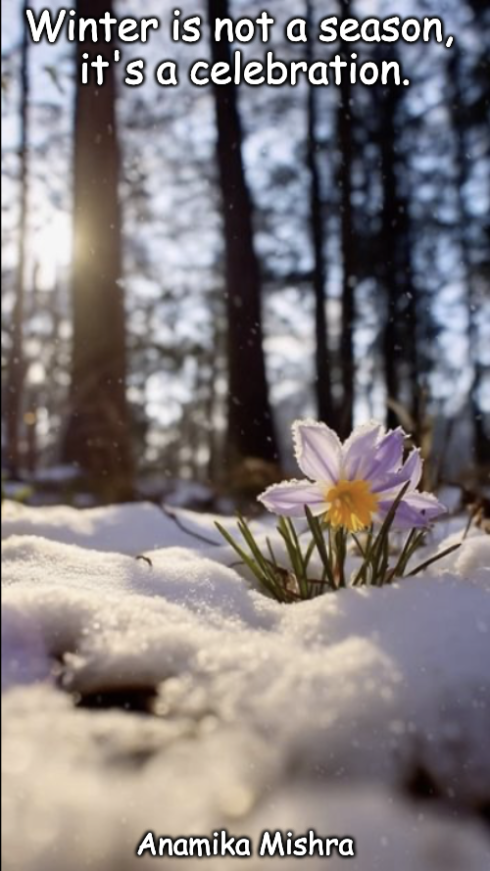
Winter is not a season, it’s a celebration.
Photo: s-usans-blog. Meaning: This saying expresses a positive and festive outlook on winter. Instead of seeing winter as a difficult or cold season to endure, the quote suggests that we should celebrate winter – with its coziness, warmth, togetherness and the many holidays that fall within it (such as Sinterklaas, Christmas and New Year’s Eve). It emphasizes the joyful aspects of winter: being together by the fire, warm meals, festive atmospheres and the special moments we share with each other during this period. Author:Anamika Mishra is the author of this quote. Origin: The exact origin and context in which this quote was first uttered is not fully clear from the available sources. It is a relatively modern quote that is mainly distributed online in collections of winter quotes and inspirational sayings about seasons.
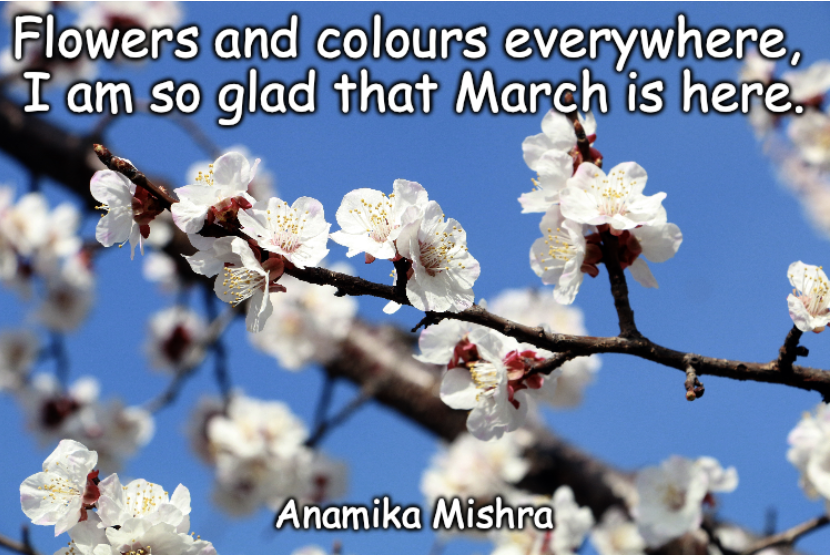
Flowers and colours everywhere, I am so glad that March is here.
Photo: Ekaterina Novitskaya. Meaning:“Flowers and colours everywhere, I am so glad that March is here” is a short, celebratory line about the arrival of spring. Its meaning is simple and joyful: March signals the end of winter’s grey monotony and the beginning of blooming nature — colour returning to the world after months of dullness. It’s often used as a welcome-the-month sentiment on social media and in quote collections. The Author:Anamika Mishra is an Indian award-winning author, travel blogger, motivational speaker, and mentor, with books that have appeared on Amazon bestseller lists. She is also a certified holistic life coach whose work as a multi-genre writer explores human relationships and personal growth, and she is a popular travel influencer in India with over a million followers across social media platforms. A note of caution on attribution: This quote circulates almost exclusively in “March quotes” listicle articles online. It appears to be a simple, informal remark rather than an excerpt from one of her published books, and the original source (a specific book, blog post, or social media caption) isn’t traceable. This is very common with quotes attributed to contemporary bloggers and social media personalities — the quote spreads through quote aggregator sites without a clear original citation. So while Anamika Mishra is the consistently named author, it’s worth knowing the attribution comes from the quote-collection ecosystem rather than a verified primary source.
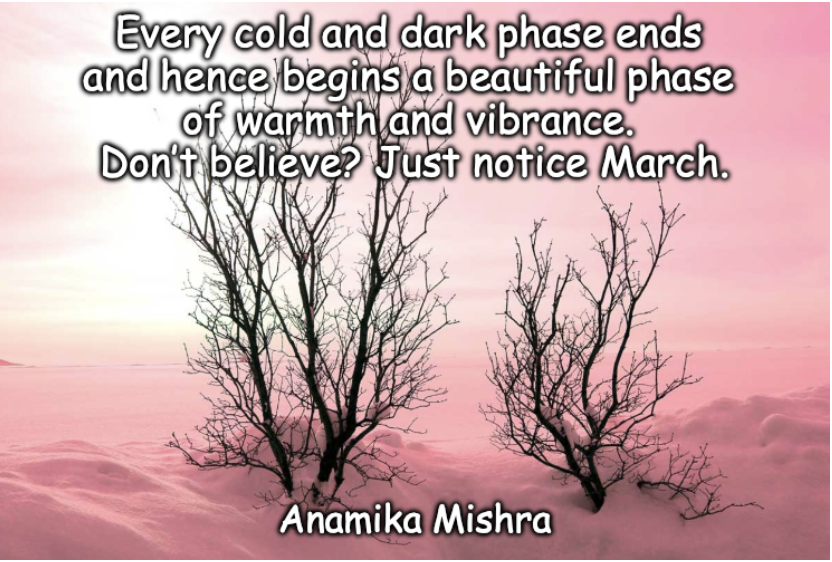
Every cold and dark phase ends and hence begins a beautiful phase of warmth and vibrance. Don’t believe? Just notice March.
Painting ( Paysage rose ) – Georges Seurat. Meaning 🌻: The statement is a metaphor for hope and renewal. End of a cold and dark phase: This refers to difficult times, periods of sadness, stagnation, or challenges in life. Just like winter is cold and dark. Beginning of a wonderful phase of warmth and vibrancy: This represents the dawn of better times, new opportunities, growth, happiness and positivity. Just like spring, which brings warmth and new life. “Don’t you believe? Just pay attention to March.”: March is the month in which winter officially turns into spring (in the Northern Hemisphere). It is a month of transition, when nature awakens, flowers begin to bloom and the days become longer and warmer. It is tangible proof that the darkest period is always followed by a period of renewal and beauty. In short, the saying encourages optimism and resilience, and reminds us that after every difficult period always comes light and life. Origin and Author 🕵️♀️: The sentence sounds like an inspiring quote that is often shared online. Anamika Mishra: Anamika Mishra is an Indian writer and poet, known for her inspiring and often philosophical lyrics. She writes in both English and Hindi, and many of her quotes circulate worldwide. The style of the statement fits well with her work, which often addresses themes of hope, resilience and the beauty of life. It is entirely possible that this is one of her quotes translated into Dutch, or a variation thereof. However, confirmation of the exact origin and a specific publication is often difficult with these types of quotes, because: They are frequently shared on social media and inspiration pages, sometimes without correct attribution. Translations and slight variations often arise. In any case, it is a universal message that, regardless of the exact author, has a powerful and positive meaning.
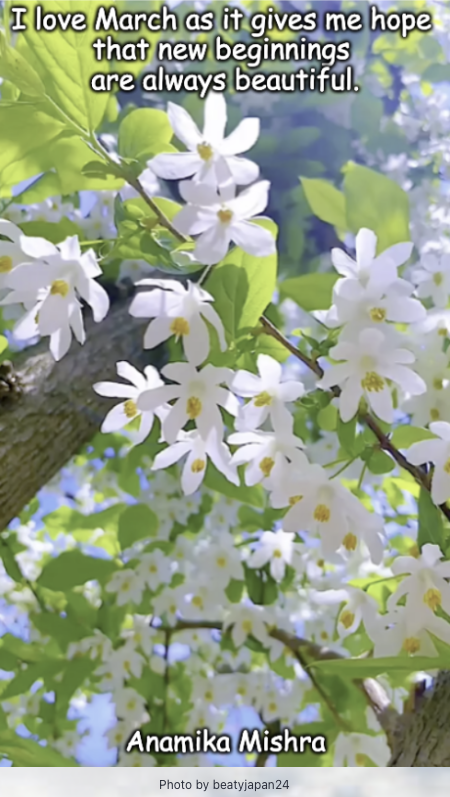
I love March as it gives me hope that new beginnings are always beautiful.
Meaning 📝: The statement, “I love March because it gives me hope that new beginnings are always beautiful” carries a deep and positive message. March as Symbol: March is traditionally the month that marks the beginning of spring in the Northern Hemisphere. After the cold and often dark winter months, nature bursts forth with new life, blossoming, and light. This makes March a powerful symbol of renewal and awakening. Hope for New Beginnings: The statement connects this natural cycle with the human experience of hope. It suggests that just as nature begins anew each year with beauty, there is always the possibility for a fresh start in our own lives, full of potential and positivity. Beauty of Change: It emphasizes that these new beginnings are not only necessary but also inherently beautiful. It encourages an optimistic view of change and growth. Origin and Author 🕵️♀️: The phrase sounds like a poetic or inspirational quote, and, the name Anamika Mishra often comes up in connection with this and similar sayings on social media and spiritual / inspirational pages. Anamika Mishra: Anamika Mishra is a well-known Indian author, best known for her novels and short stories that often deal with themes of hope, resilience, and the human heart. Her work and quotes are widely shared, particularly in English. While this particular quote is circulating in Dutch, it is most likely a translation of one of her thoughts or writings. Spread: Such phrases often spread quickly online, sometimes with slight variations or translations, making the precise ‘original’ wording and context difficult to ascertain. However, the style and theme fit perfectly with Anamika Mishra’s oeuvre. It is therefore very likely that this inspiring thought originated with Anamika Mishra, or at the very least was strongly inspired by her work and ideas.
Door Pieter
Mensenmens, zoon, echtgenoot, vader, opa.
Spiritueel, echter niet religieus.
Ik hou van golf, wandelen, lezen en de natuur in veel opzichten.
Onderzoeker, nieuwsgierig, geen fan van de mainstream media (MSM).