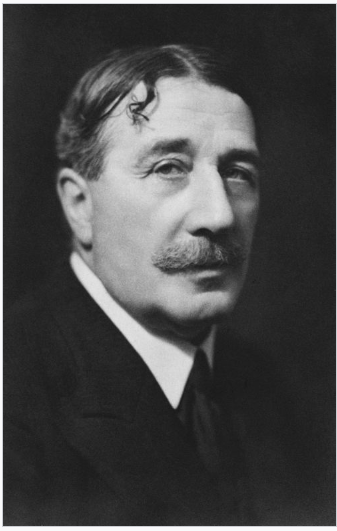
Pseudonym of Émile-Auguste Chartier (Mortagne-au-Perche, March 3, 1868 – Le Vésinet, June 2, 1951, buried at Père-Lachaise Cemetery). French philosopher, journalist, and teacher.
Alain. Photo wikipedia.org.
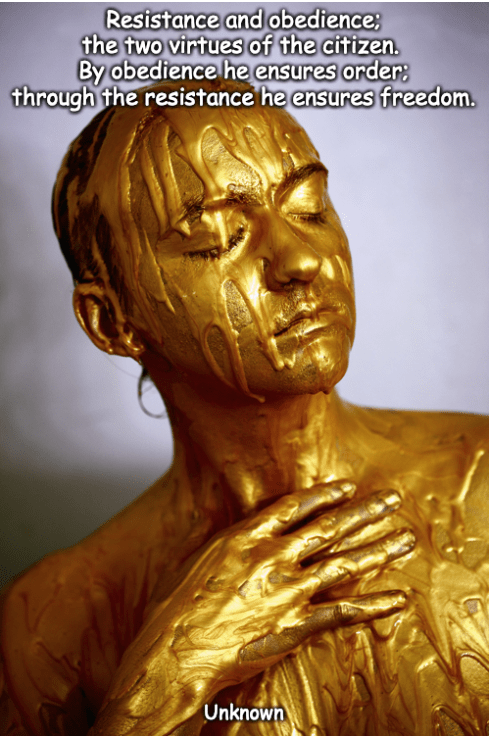
Resistance and obedience; the two virtues of the citizen. By obedience he ensures order; through the resistance he ensures freedom.
Photo: Sharon McCutcheon. Meaning: 😊 🧐: This saying describes the fundamental balance a citizen must strike in a democratic society. It states that both qualities, obedience and resistance, are essential, but each serves a different purpose. Obedience: By adhering to the laws and following the rules of society, a citizen contributes to order and stability. Without obedience, chaos and anarchy would prevail. Resistance: By being critical, protesting, or resisting unjust laws or abuse of power, a citizen protects freedom. Without resistance, a government can become too powerful and autocratic. In short: A “good citizen” is not blindly obedient, but neither is he constantly in revolt. The art lies in knowing when to obey for the common good and when to resist to defend fundamental rights and freedoms. 🕵️♂️ Origin of the Saying: Although the exact wording may vary in translations, this idea is often associated with the French philosopher Alain (the pseudonym of Émile-Auguste Chartier). The thought fits very well within the philosophy of Alain, who was known for his writings on individualism, civil disobedience, and the role of the citizen in a republic. He often emphasized the importance of critical thinking and the need for citizens to remain vigilant against the power of the state. Alain believed that the true citizen is someone who thinks and does not simply follow orders. He saw the right to resistance as a necessary check on the power of the government. ✍️ Author:(Alain). Émile-Auguste Chartier (known as Alain). Philosopher, journalist, pacifist, and teacher, known for his Propos, short essays on a wide range of subjects, including politics, morality, and education. He was an influential figure in French intellectual life of the early 20th century.
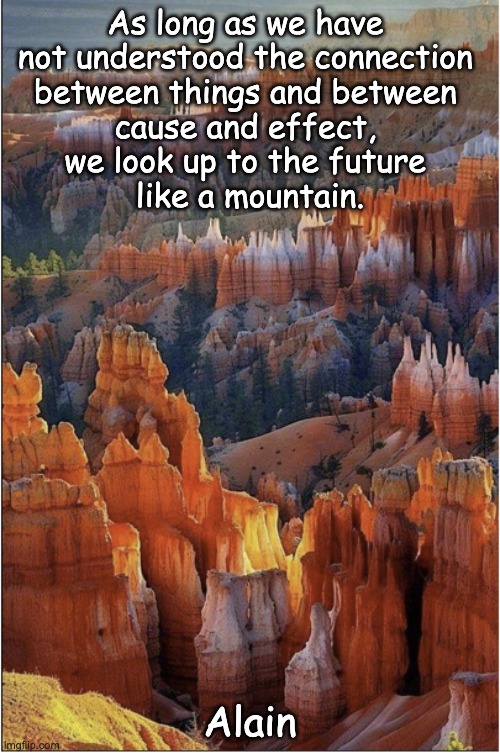
As long as we have not understood the connection between things and between cause and effect, we look up to the future like a mountain.
Painting: Birgit Mahjoub. Meaning 🧐:Here is a breakdown of the meaning: The Core Idea: The sentence speaks about our relationship with the future and how it is influenced by our knowledge of the world around us. The “Mountain” as Metaphor: The future can feel like an enormous, insurmountable mountain. This symbolizes: Fear and Uncertainty: We do not know what is going to happen, so the unknown instills fear in us. Effort and Heaviness: Facing that future seems like a heavy task, as if we have to climb a steep mountain without knowing if we will reach the top. The Role of Understanding (Cohesion and Cause/Effect): The key to overcoming this fear is understanding. Cohesion: Seeing the larger patterns, how different aspects of life and the world are connected. Nothing stands alone. Cause and Effect: Understanding that actions in the present (the cause) lead to certain results in the future (the effect). The Conclusion: When we do not understand why things happen, the future feels like a random and frightening collection of events. But as soon as we fathom the underlying principles and laws, the future becomes less mysterious. We can then recognize patterns, better assess the consequences of our actions, and the “mountain” turns into a passable path. It is a call to knowledge and wisdom as a remedy for the fear of the unknown. Origin and Context: This quote comes from a rich philosophical tradition that emphasizes the value of knowledge and overcoming superstition. Philosophical Movement: The thought aligns closely with rationalism and Stoic thought. Both movements believe that reason and understanding the laws of nature can help people find inner peace (ataraxia) and overcome fears. The Idea of Necessity: A fundamental idea in these philosophies is that the world operates according to necessary laws. Everything that happens is the result of a prior cause. If we understand this chain of cause and effect, we understand that the future is not random, but the result of the present. This removes the fear of ‘fate’ or ‘chance’.Author:Identity:“Alain” is the pseudonym of the French philosopher, journalist, and teacher Émile-Auguste Chartier (1868–1951).Writing style: Alain was known for his “propos,” short, accessible essays on philosophical, moral, and everyday subjects. His writing style was clear, concise, and direct. He attempted to translate complex philosophical ideas into the practice of daily life. Themes: The quoted sentence fits perfectly within the themes Alain often wrote about: The importance of clear thinking: He viewed ignorance and passions as the sources of human suffering and fear. The victory over fear: For Alain, philosophy was not merely an academic discipline, but a tool for leading a better and more peaceful life. Understanding reality was the path to freedom and peace of mind. The relationship to the future: He often wrote about the necessity of focusing on the present and what one can influence there, rather than allowing oneself to be paralyzed by fear of the future. In summary: The quote summarizes a core point of Alain’s (Émile Chartier) philosophy: knowledge of the world and its laws is the liberation from the fear of the unknown. The mountain of the future is climbed with the guide of reason.
Door Pieter
Mensenmens, zoon, echtgenoot, vader, opa.
Spiritueel, echter niet religieus.
Ik hou van golf, wandelen, lezen en de natuur in veel opzichten.
Onderzoeker, nieuwsgierig, geen fan van de mainstream media (MSM).