John Stuart Mill

John Stuart Mil:

(Pentonville, 20 May 1806 – Avignon, 8 May 1873).
English philosopher and economist. He was a proponent of utilitarianism, the ethical theory proposed by his godfather Jeremy Bentham. He described his own version of this in the work Utilitarianism, indicating the need to distinguish between different kinds of pleasure. In his well-known work On Liberty, he set out the harm principle.

Somerville College Library, the library of Somerville College (Oxford) contains his collection of around 1700 books (the so-called John Stuart Mill Library).
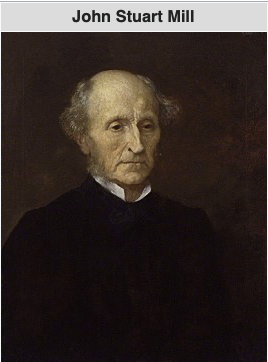
John Stuart Mill. Portrait byGeorge Frederic Watts – wikipedia.org

The liberty of the individual must be thus far limited; he must not make himself a nuisance to other people.
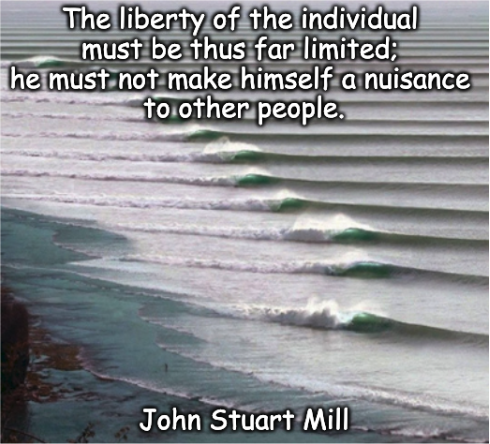
Photo by proartspb

The only freedom worthy of the name is the freedom to pursue our own good, in our own way, as long as we do not try to rob others of theirs or thwart them in their efforts to achieve it.

Photo: Melanie R

The only way in which a general freedom can be advanced is by each doing the utmost to become free.

Image: Peter van Geest AI. Meaning: Freedom as praxis: Freedom is not just a political system, but something that individuals actively practise—by thinking, speaking, choosing and taking responsibility independently. From individual to general: The more people develop and protect their own freedom of thought and action, the stronger the culture and institutions of freedom become. Moral duty: It suggests a personal mission: work on your own independent judgement, resist conformism and abuse of power, because in doing so you contribute concretely to the freedom of all. Source: On Liberty (1859) – John Stuart Mill


Door Pieter

Mensenmens, zoon, echtgenoot, vader, opa. Spiritueel, echter niet religieus. Ik hou van golf, wandelen, lezen en de natuur in veel opzichten. Onderzoeker, nieuwsgierig, geen fan van de mainstream media (MSM).

Geef een reactie

Je e-mailadres wordt niet gepubliceerd. Vereiste velden zijn gemarkeerd met *