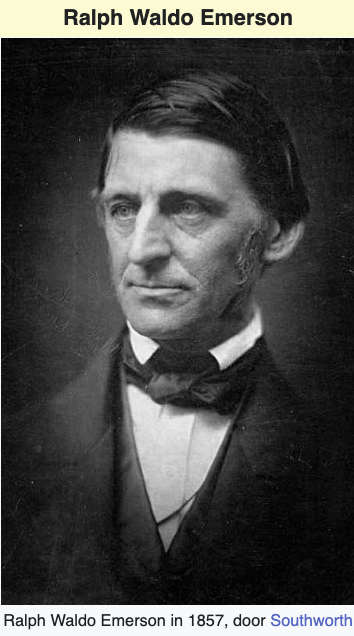
Ralph Waldo Emerson:
(Boston, 25 May 1803 – Concord, 27 April 1882)
American essayist and one of the most influential thinkers of the United States, who particularly emphasised individualism.
As long as a man stands in his own way, everything seems to be in his way.
When summer opens, I see how fast it matures and fears it will be short, but after the heats of July and August, I am reconciled, like one who has had his swing to the cool of autumn.
– 🌞 ‘At the beginning of summer’, the speaker notices how quickly everything grows and ripens, and worries that the season will pass too soon.
– 🔥 ‘After enduring the strong heat of July and August’, that worry fades.
– 🍂 By then, the speaker feels satisfied — “like one who has had his swing” — and is ready for the cooler days of autumn.
In simpler terms:
‘we often fear that pleasant things will end too quickly, but after experiencing them fully — including their discomforts — we become ready for the next season of life.’
📚 Author: Ralph Waldo Emerson.
🏛️ Origin / Source:
It comes from Emerson’s essay “Farming”, published in his 1870 collection:
> “Society and Solitude” by Ralph Waldo Emerson
The commonly quoted form is:
> “When summer opens, I see how fast it matures, and fear it will be short; but, after the heats of July and August, I am reconciled, like one who has had his swing, to the cool of autumn.”
📝 Note on wording:
Some versions slightly vary, for example using “fears” instead of “fear”, but the standard text is usually:
> “I see how fast it matures, and **fear** it will be short…”
Love is like wildflowers; it’s often found in the most unlikely places.

What lies behind us and what lies before us are nothing compared to what lies within us.
To be yourself in a world that is constantly trying to make you something else is the greatest accomplishment.
In these divine pleasures permitted to me of walks in the June night under moon and stars, I can put my life as a fact before me and stand aloof from its honor and shame.
The sentence expresses that the speaker experiences an almost ‘sublime, spiritual peace’ during nocturnal walks in nature.
Core of the thought:
– ‘Nature grants inner distance’
– During those “divine pleasures,” he can view his life from a distance.
– ‘Detachment from ego and societal judgment’
– “Honor and shame” refers to:
– fame and disapproval
– success and failure
– pride and shame
– ‘Contemplation’
– Life is no longer just something in which you are trapped, but something that you can also ‘behold’.
Simply put:
> ‘Through the beauty and silence of nature, one can rise above his daily worries and look at his own life with greater calmness.’
🏛️ Origin:
– The statement originates from the realm of Emerson’s ‘diaries/journals’ and his transcendentalist worldview.
Probable origin:
– Ralph Waldo Emerson, Journals / diary entries
– 19th century
– Thematically closely related to his work on:
– nature
– spiritual freedom
– self-inquiry
Happiness is a perfume you cannot pour on others without getting some on yourself.

What potent blood hath modest May.
Where shall we keep the holiday and duly greet the entering May?

– ‘Where shall we celebrate the spring festival?’
– How shall we appropriately welcome the month of May?’
Tone and purport:
– festive
– spring-like
– ceremonial / poetic
– a call to celebrate nature and the new month
It is therefore not a matter of proverbial wisdom, but of a ‘poetic question’ that sings of the arrival of spring.
The original English line reads:
“Where shall we keep the holiday,
And duly greet the entering May?”
📝 Source: the poem “May-Day”.
🧭 Origin: The line comes from Emerson’s poem “May-Day”, a hymn to:
– spring
– nature
– renewal
– the month of May as a symbol of blossoming and life. Emerson was an American essayist, poet, and philosopher associated with ’transcendentalism’.
👤📚 Author: Ralph Waldo Emerson (1803–1882):
– American writer and poet
– known for his essays, lectures, and nature poetry
– central figure in transcendentalism
– often wrote about:
– nature
– spirit
– freedom
– inner elevation
Only that human being is capable of the highest degree of friendship who can live without it.

Good luck is another name for tenacity of purpose.

Good thoughts are no better than good dreams, unless they be executed.

The world is all gates, all opportunities, strings of tension waiting to be struck.

The only way to have a friend is to be one.
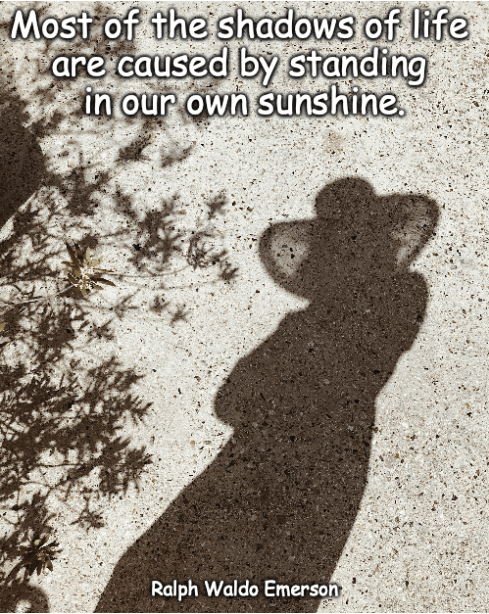
Most of the shadows of life are caused by standing in our own sunshine.
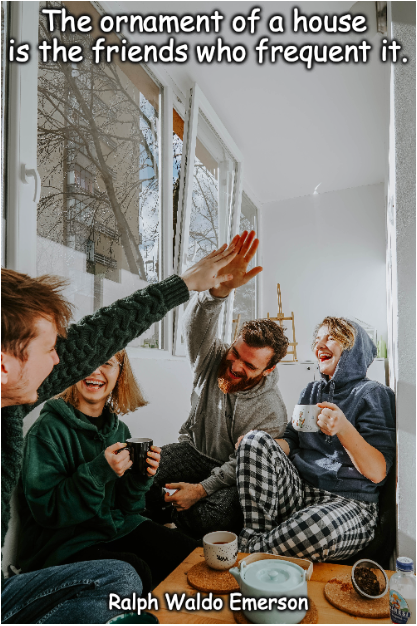
The ornament of a house is the friends who frequent it.
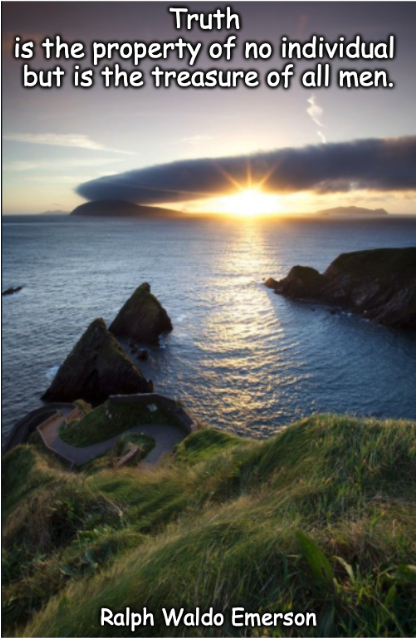
Truth is the property of no individual but is the treasure of all men.
The nobler the truth or sentiment, the less imports the question of authorship.

Truth is too simple for us: we do not like those who unmask our illusions.

The April winds are magical, And thrill our tuneful frames. The garden-walks are passional, To bachelors and dames.

The origin of this saying lies in poetry. The quoted lines are the opening lines of the poem titled “April”. Original English text: “The April winds are magical, / And thrill our tuneful frames; / The garden-walks are passional, / To bachelors and dames.” ✒️ Author: The author of this quote is Ralph Waldo Emerson (1803–1882). He was a famous American essayist, philosopher, and poet, and a central figure in the transcendentalist movement of the 19th century. His work often emphasized the beauty of nature and the intuitive connection of the individual to the universe.
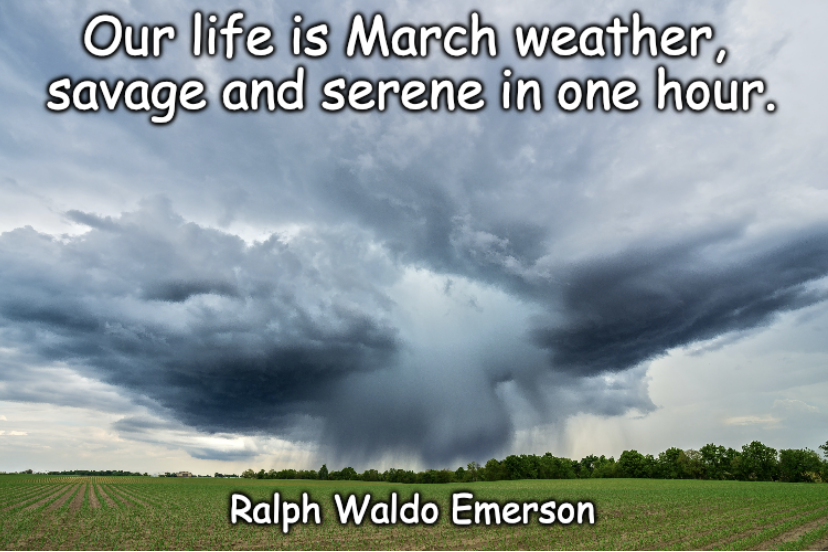
Our life is March weather, savage and serene in one hour.
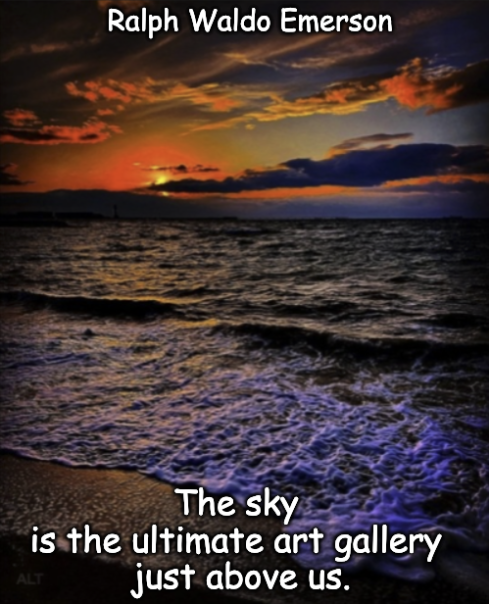
The sky is the ultimate art gallery just above us.
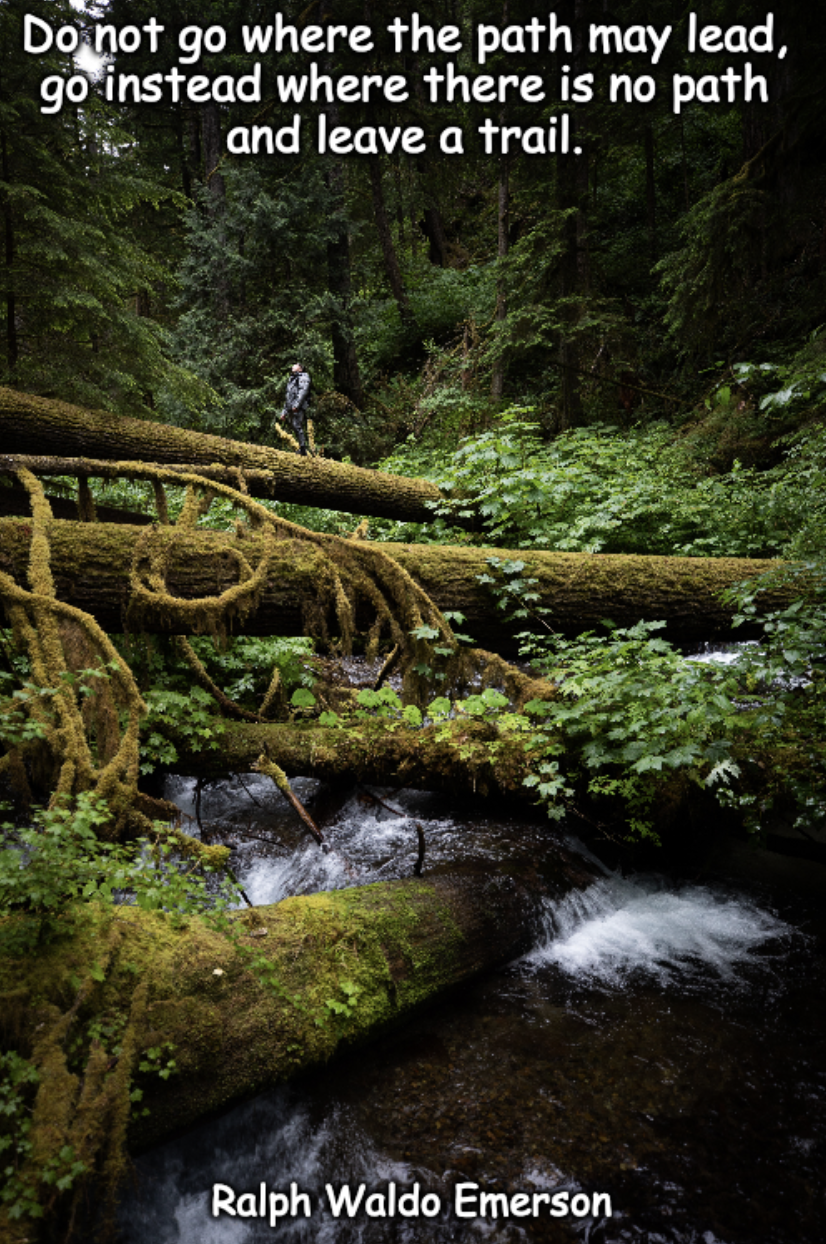
Do not go where the path may lead, go instead where there is no path and leave a trail.
People only see what they are prepared to see.

Health is wealth.
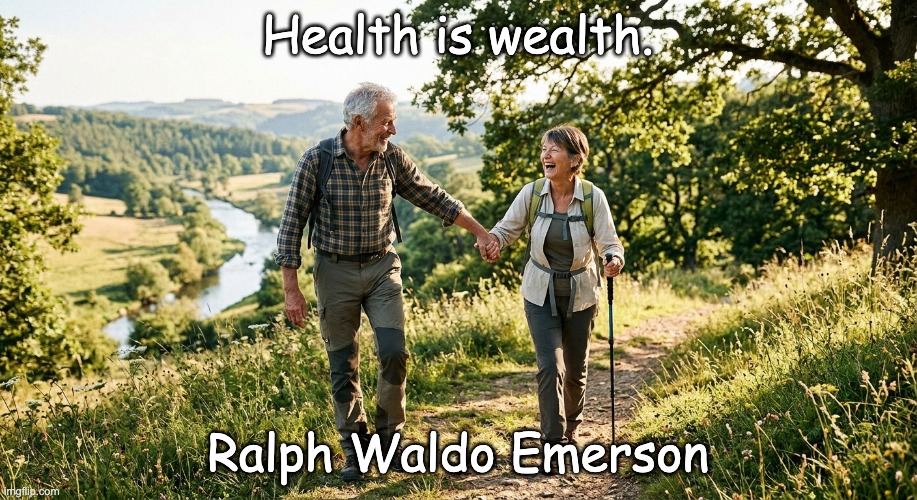
The proverb “Health is Wealth” (often attributed to Ralph Waldo Emerson, though its exact origin is debated) highlights a fundamental truth: physical and mental well-being are far more valuable than material riches.
📜 Origin and Author:
The exact origin of the phrase “Health is Wealth” ‘is difficult to pinpoint definitively’. It is a timeless piece of wisdom that has appeared in various forms throughout history.
– Ralph Waldo Emerson:
The quote is most frequently attributed to the 19th-century American essayist, lecturer, and philosopher, Ralph Waldo Emerson. While he wrote extensively about the importance of self-reliance, nature, and well-being, the specific, exact phrasing “Health is Wealth” is often associated with him as a distillation of his broader philosophies.
