Baltasar Gracián y Morales:
(Belmonte (near Calatayud), 1601 – Tarazona (in Aragon).
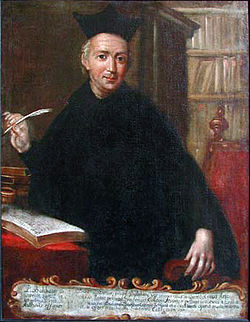
Spanish Jesuit known as a writer of amoral, illusory, “Machiavellian”, often cynically named books, including Handoracle and Art of Prudence.
His work was praised by Nietzsche, Voltaire, Stendhal and La Rochefoucauld. Schopenhauer translated Handorakel into German. Gracián also wrote under the name Lorenzo Gracián and under the anagram Gracía de Marlones. His actual surname was Galacian y Morales. He adopted the name by which he was known, Baltasar Gracián, upon joining the Jesuit order.
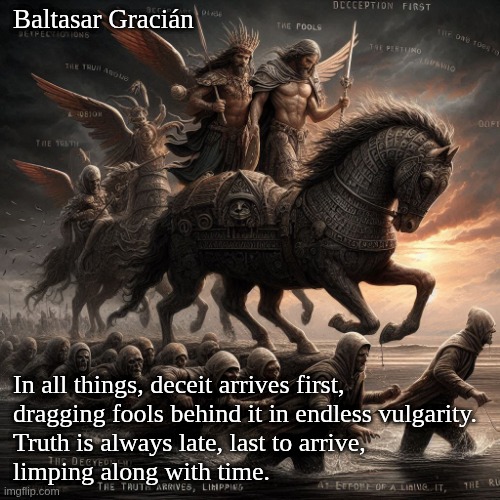
In all things, deceit arrives first, dragging fools behind it in endless vulgarity. Truth is always late, last to arrive, limping along with time.
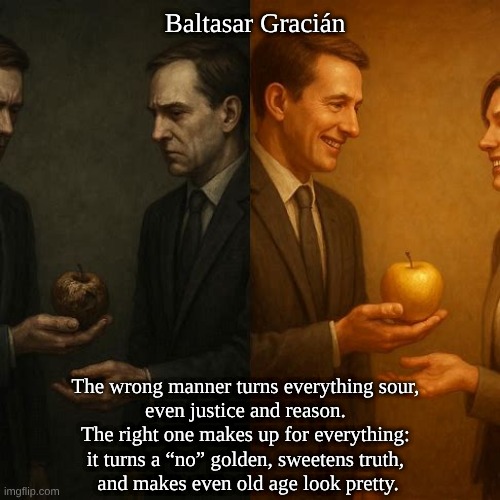
The wrong manner turns everything sour, even justice and reason. The right one makes up for everything: it turns a “no” golden, sweetens truth, and makes even old age look pretty.
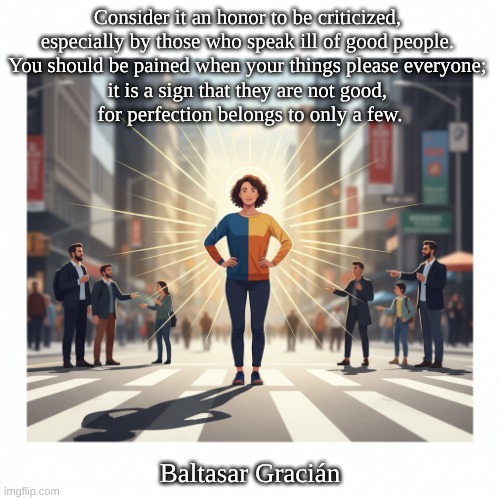
Consider it an honor to be criticized, especially by those who speak ill of good people. You should be pained when your things please everyone; it is a sign that they are not good, for perfection belongs to only a few.
Content: This frequently cited work offers advice on how to conduct oneself in the complex world of social interactions and political intrigue. Gracián emphasizes the need for caution, tact, and strategy in life. Key Themes Practical Wisdom: Gracián encourages acting wisely and strategically in social situations. Criticism and Reflection: His work addresses the value of self-reflection and the impact of criticism, which aligns with the previously discussed statement about criticism. Conclusion: Gracián’s work remains relevant and offers timeless lessons on human nature and social skills, making him an influential thinker in philosophy and literature.
