Let’s all be nice to September.
– This is an informal, playful phrase meaning:
– ‘Let’s approach the month of September kindly’ rather than dreading it.
– It often implies “September is stressful (school/work resumes, weather changes, etc.), so let’s stay positive.”
– It’s commonly used around late August / early September as a ‘mood shift’:
Treat the month “nicely” to soften the usual negativity.
🕵️ Origin:
– The exact ‘first appearance’ of the specific sentence “Let’s all be nice to September” is ‘not clearly documented’ in a single, verifiable source.
– What ‘is’ common:
– It appears as a ‘social-media meme / greeting-style line’ (often on posts, captions, and greetings).
– Phrases like this are typical of ‘crowd-sourced internet humor’—they may evolve without a single identifiable “originator.”
– Without access to a specific database of early mentions, I can’t responsibly claim a definitive origin date or first publisher.
✍️ Author:
– ‘No single confirmed author’ is widely credited.
– It’s generally treated as ‘anonymous internet phrasing’ (or a line that circulates without attribution).
When I flashback to the lovely days of September where I’ve kept some dreams and stories to remember, something like old streets and avenues to wander. Something like my toys when I was younger. I have a fond belief that September will stay forever. There were many things in September, sweet and tender. Something like love, something like adventure, something like childhood. Something like the rain, like the water.
The passage is ‘poetic, nostalgic memoir-style prose’. It reflects on ‘September’ as a symbol of:
– ‘Fond memories’ (“old streets and avenues to wander”, “toys when I was younger”)
– ‘Dreams and stories kept in mind’ (“kept some dreams and stories to remember”)
– ‘Hope/faith that the feeling of September lasts’
– ‘Childhood and innocence’ (“love… adventure… childhood”)
– ‘Nature imagery’ as emotional anchors (“rain”, “water”)
Overall, the “meaning” is:
‘September represents warmth, growing up, tenderness, and the emotional comfort of past joys—especially childhood.’
🕵️ Origin:
I ‘can’t reliably identify the exact origin’ (book/song/poem) from the excerpt alone.
– The phrasing reads like it could be from ‘a poem, spoken-word piece, or a personal/creative writing excerpt’.
– It does ‘not match’ any widely known, easily verifiable famous text I can confirm from memory.
✍️ Author:
Because the origin isn’t confirmed, I also ‘can’t identify the author’ with confidence.
…and all at once, summer collapsed into fall.
– The season didn’t gradually change—it ‘shifted suddenly’, like summer “fell apart” and autumn arrived immediately.
– ‘Implied emotion/imagery’:
A rapid, almost ‘unavoidable’ transition—often suggesting ‘nostalgia, loss, or an abrupt change in life/mood’.
📚 Origin / Author:
– This sentence is widely circulated online and is often ‘misattributed’ (commonly to Oscar Wilde), but:
– Oscar Wilde did not write this line (there’s no reliable citation tying it to him).
🔎 What we can say reliably:
– It’s best described as a ‘modern literary/sentimental line’ that appears in various places (blogs, quote sites, social media) ‘without a consistently documented original publication’.
– Because the quotation is frequently reposted without a verifiable source, ’the true author and first publication are unclear’.
September sweaters havin’ me feeling gorgeous.

The sentence expresses delight at the onset of autumn: as it gets cooler in September, sweaters can be brought out of the closet again. They provide both ‘literal warmth’ and a ‘cozy, pleasant feeling’.
There is also a slight play on words in the phrasing:
– “September sweaters” (‘Septembertruien’):
sweaters you wear in September.
– With different punctuation:
“September: sweaters give me a warm feeling.”
The double meaning works particularly well with ‘warm feeling’: a sweater provides physical warmth while also evoking a sense of coziness.
Origin and author 🖊️:
This is ‘not an old proverb or traditional saying’, but a ‘modern, humorous seasonal slogan’.
The best-known version goes something like this:
> “September – sweaters give me a warm feeling again.”
This slogan is generally attributed to Loesje, the Dutch collective known for short, playful poster slogans. There is therefore no single known author; Loesje texts are published collectively.
The version using “a wonderful feeling” appears to be a later variant or a loose adaptation of the more familiar phrasing using “a warm feeling”.
Wishing everyone a blessed month of September. All the best!
“Wishing everyone a blessed month of September. All the best!” expresses goodwill at the beginning of September. The speaker hopes that everyone will experience:
– Blessings, happiness, and peace
– Good health and success
– Positive experiences throughout the month
“All the best” reinforces the wish for favorable outcomes.
📜 Origin:
This is a ‘modern seasonal or new-month greeting’, commonly shared in:
– Social-media posts
– Text messages
– Greeting cards
– Religious or community messages
‘It does not appear to come from a historical proverb, literary work, or traditional saying’. The word “blessed” may carry a religious meaning, but it can also be used more generally to mean fortunate or joyful.
✍️ Author:
There is ‘no known or established author’.
It is best regarded as an ‘anonymous/common expression’ rather than a formal quotation.
The deepest form of slavery is the hunger for being understood by others.
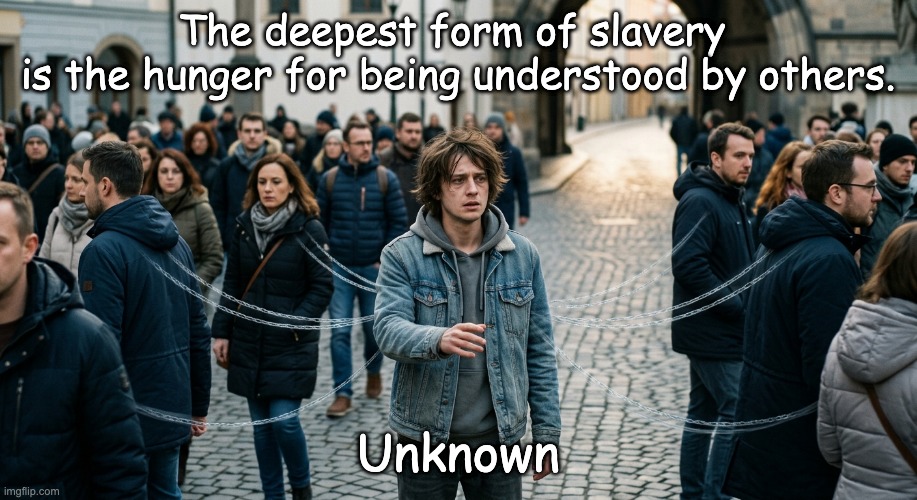
> “The deepest form of slavery is the hunger for being understood by others.”
“Slavery” is being used metaphorically. The saying suggests that a compulsive need to be understood or validated can make a person dependent on other people’s judgments. One may begin to:
– explain or justify oneself constantly;
– suppress parts of oneself to remain acceptable;
– let other people determine one’s sense of identity or worth;
– feel unable to live freely unless others approve or understand.
The key word is “hunger”:
ordinary communication and the wish for mutual understanding are healthy; the aphorism criticizes an ‘insatiable dependence’ on being understood.
📚 Sometimes the quote is attributed toDostoevsky.
But there is ‘no reliable evidence’ that Fyodor Mikhailovich Dostoevsky wrote or said this sentence.
The attribution has the usual signs of an internet misquotation:
– no Russian original is normally provided;
– no novel, letter, diary entry, chapter, or page is cited;
– the wording does not appear to have a traceable source in Dostoevsky’s published works;
– it circulates mainly on quotation websites and social media.
It is therefore safest to describe it as:
> ‘Anonymous modern aphorism, often misattributed to Fyodor Dostoevsky.’
Possible related quotation:
It resembles a harsher, documented aphorism commonly translated from Fernando Pessoa’s “The Book of Disquiet”:
> “To be understood is to prostitute oneself.”
Pessoa’s thought is not identical, but both sayings associate the desire to be understood with surrendering something of one’s inner independence. The modern quotation may have been influenced by this or by similar existential ideas, but a direct connection cannot be established without an early source.
September is the month of wonderful weather.

“September is the month of wonderful weather” expresses the idea that September often brings pleasant, mild conditions—less heat than summer but not yet the cold of late autumn. It mainly reflects the climate of the ‘Northern Hemisphere’ and is not universally applicable.
📜 Origin and author:
– The sentence does ‘not appear to be a traditional proverb or a well-documented literary quotation’.
– No reliable original author or source is generally associated with it.
– It is best treated as an ‘anonymous modern saying’ or a simple descriptive statement.
It may echo Helen Hunt Jackson’s better-known lines:
> “By all these lovely tokens
> September days are here,
> With summer’s best of weather
> And autumn’s best of cheer.”
However, there is no firm evidence that the sentence itself was written by Jackson. Therefore, the safest attribution is “Anonymous.”
Let’s welcome September! Say hello to the cold breeze and happy birthday to our dear friend.
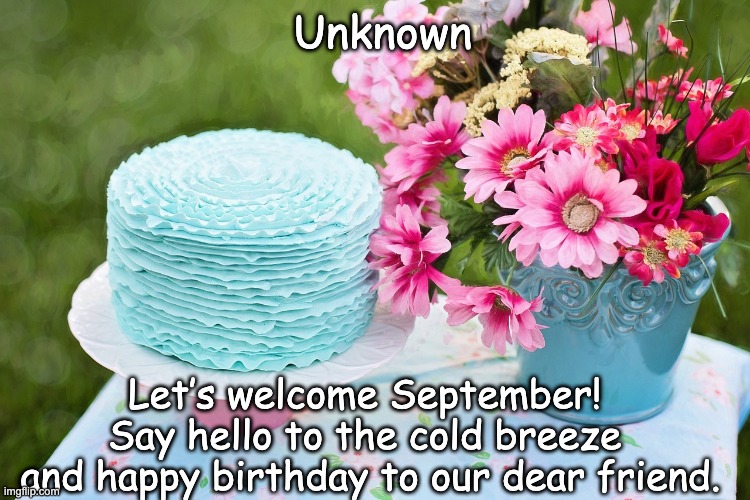
This line combines ’two warm sentiments’:
– ‘Welcoming September’ 🍂
It marks the beginning of a new month, often associated with cooler weather, seasonal change, and fresh starts.
– “Say hello to the cold breeze” 🌬️
This expresses appreciation for the arrival of cooler air, especially after warmer months.
– ‘Birthday greeting’ 🎂
The phrase also celebrates the birthday of a dear friend, making it both seasonal and personal.
📌 Overall Meaning:
> “As September begins and the weather becomes cooler, we joyfully celebrate our dear friend’s birthday.”
🌍 Origin:
There is ‘no known historical or literary origin’ for this exact saying. It appears to be a ‘modern personal greeting or social media-style caption’, likely written for a birthday post or message in September.
✍️ Author:
The author is ‘unknown’.
It is not attributed to any famous writer, poet, or public figure.
💬 In Simple Words:
It is a cheerful September birthday message, welcoming the new month and celebrating a friend’s special day.
Welcome a new month full of possibilities. Happy September!
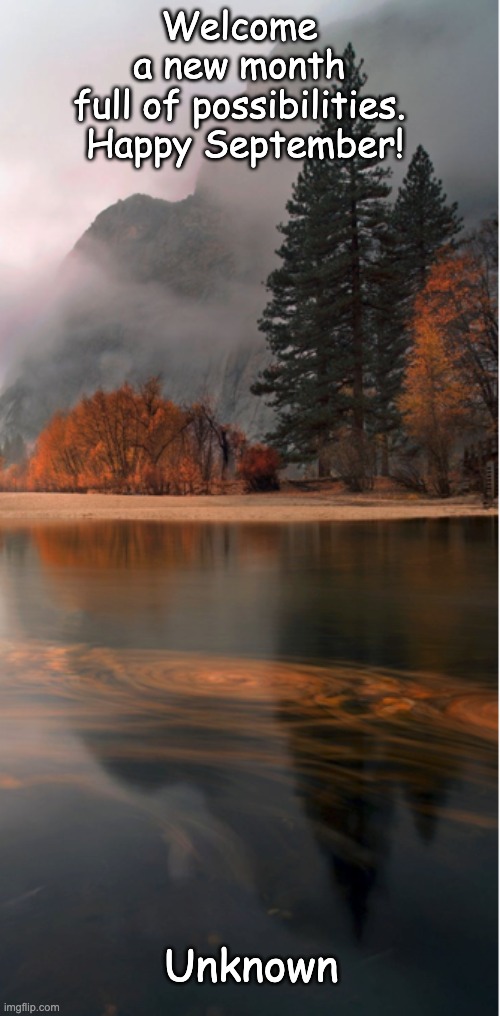
– A new month brings ‘fresh opportunities’ and ‘new beginnings’.
– September is being welcomed with ‘hope, optimism, and excitement’.
– It encourages people to see the month as a chance to ‘set goals, start again, and look forward’.
In simple words, it means:
“Let’s greet September with a hopeful heart and expect good things to happen.”
📜 Origin:
– The exact origin of this phrase is ‘not known’.
– It is a modern inspirational greeting, commonly used in:
– Social media posts
– Greeting cards
– Monthly motivational messages
– Captions and status updates
The idea of welcoming a new month is a common motivational theme, especially at the start of months like September, which often symbolizes change, school beginnings, autumn, and fresh routines in many places.
✍️ Author:
– The author is ‘unknown’.
– It is best described as an ‘anonymous inspirational saying’.
🍂 Note on “September”:
The word ‘September’ comes from the Latin word “septem,” meaning ‘seven’. In the ancient Roman calendar, September was originally the seventh month before January and February were added to the calendar.
Be patient where you sit in the dark. The dawn is coming.
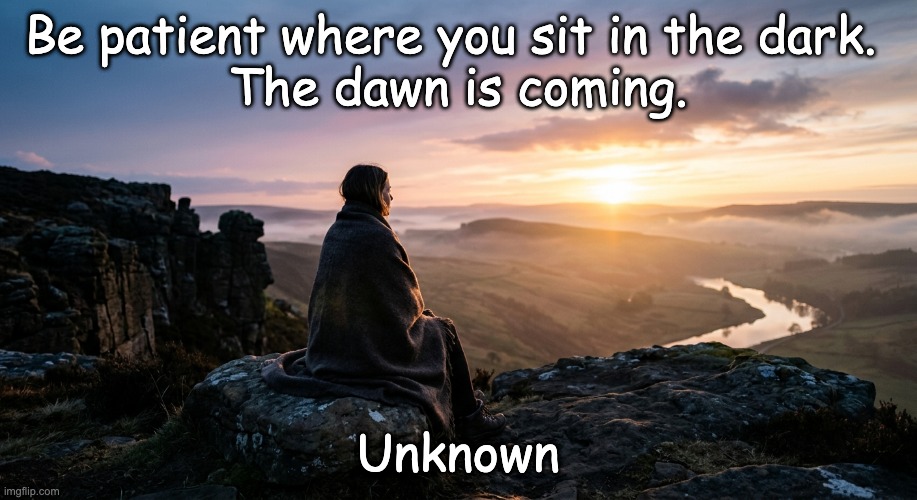
The saying offers comfort and encouragement during challenging times. It suggests that even in the midst of darkness and despair, it is crucial to remain patient and maintain hope. The ‘dark’ can represent various forms of adversity, such as grief, loss, or personal struggles. The ‘dawn’ symbolizes the light, clarity, and renewal that follow difficult periods. The saying reminds us that just as night gives way to day, hardship is temporary, and better times will eventually arrive.
Origin and Author:
The ‘exact origin of this specific phrasing is difficult to pinpoint’. While it is ‘frequently attributed to Rumi’, it is possible that ‘it is a paraphrased or modern interpretation’ of his ideas. Rumi’s vast body of work, particularly the “Masnavi” and the “Diwan-e Shams-e Tabrizi”, explores themes of patience, faith, and the human condition in depth. Many of his poems use imagery related to light and darkness to convey spiritual truths.
Regardless of its precise origin, the saying has resonated with people across cultures and generations, offering solace and inspiration during times of difficulty. It serves as a reminder to persevere and to believe in the promise of a brighter future.
To all those pinning Halloween costumes and Christmas-themed recipes, let me just say, calm down! It’s August.
The saying is a humorous plea to enjoy the present moment. It highlights the tendency for people to get caught up in planning for Halloween and Christmas months in advance, often overlooking the remaining summer time. The speaker is essentially saying:
“It’s still August, let’s appreciate the current season before diving headfirst into holiday preparations!”
Origin and Author:
The ‘exact origin of this specific phrasing is difficult to pinpoint’, as it’s a sentiment that has likely been expressed in various ways over the years. However, its popularity soared with the rise of social media platforms like Pinterest and Instagram, where holiday planning often begins early. It’s a common shared sentiment among those who feel that the commercialization of holidays starts too soon.
Author:
The phrase itself ‘doesn’t have a known, single author’. It’s a relatable expression that has gained traction through online sharing and word-of-mouth. It reflects a collective feeling of wanting to slow down and savor the current season.
A part-time Buddha is good enough. All you need is the freedom of the present moment.
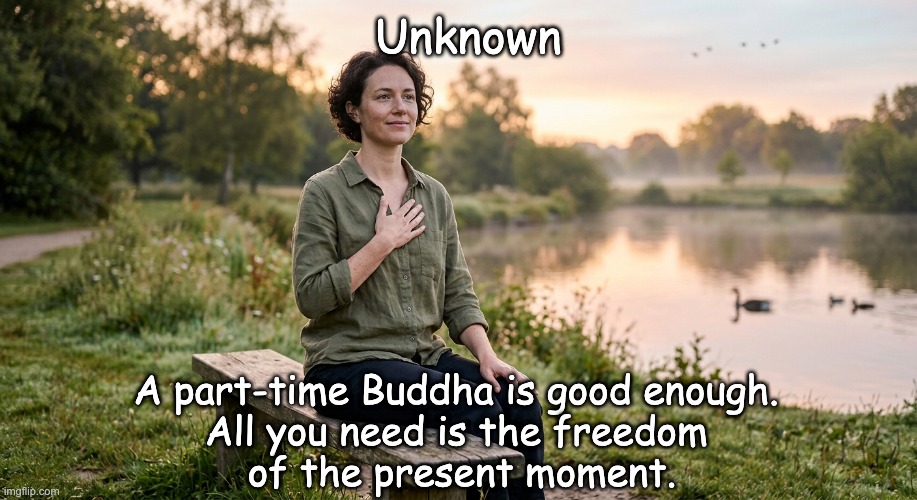
The quote means that you do not need to be a perfect or constant “Buddha” to live well; ‘being fully present in this moment’ is enough. In that sense, it reflects the Buddhist idea that freedom comes from awareness of the present rather than from trying to become someone ideal all the time.
Origin:
I could not verify the exact wording in the search results, and none of the results show it in a primary source by Thích Nhất Hạnh or another identified teacher. The closest material in the results points to mainstream Buddhist themes such as the ‘Noble Eightfold Path’, ‘Buddha nature’, and present-moment awareness, but not this sentence itself.
Author:
The most accurate current attribution is ‘unknown / unverified’. Based on the evidence here, it is best treated as a ‘modern paraphrase or misattribution’, not a confirmed quote from Thích Nhất Hạnh or any other named Buddhist teacher.
The day the power of love overrules the love of power, the world will know peace.
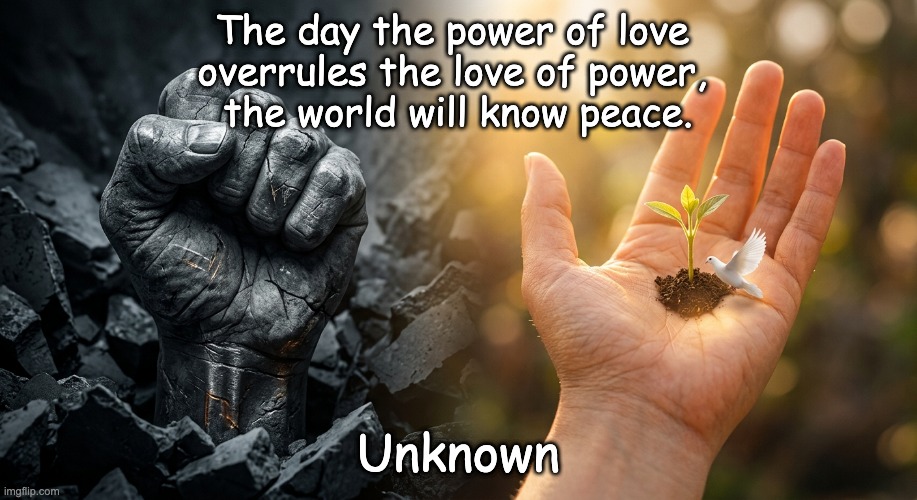
The line is built on a chiasmus — a mirrored swap of the words “power” and “love.” It contrasts two things:
– ‘Love of power’ — the drive to dominate, control, or hold authority over others, which breeds conflict, oppression, and injustice.
– ‘Power of love’ — compassion, empathy, and connection as a force strong enough to overcome that drive.
The claim is that real peace only becomes possible once people are motivated more by love — for others, for justice, for connection — than by the desire to control others. It’s an aspirational statement about what it would take for the world to become peaceful, not a claim that it currently is.
Origin:
The saying has a long, tangled history rather than a single clean origin:
– The earliest known ancestor is a 19th-century line attributed to British Prime Minister William Gladstone:
“We look forward to the time when the Power of Love will replace the Love of Power. Then will our world know the blessings of peace.”
Note this is framed as future hope, not a flat declaration.
– A similar variant appears in the spiritual teacher Sri Chinmoy’s 1970 book “Meditations: Food for the Soul”, and again in his 1993 book “My Heart Shall Give a Oneness-Feast”.
– The tighter, punchier modern phrasing (“The day the power of love overrules the love of power, the world will know peace”) appears to have crystallized later and spread widely online, gradually detaching from its earlier sources.
Author:
There is no reliable evidence that either commonly cited author actually said it:
– Mahatma Gandhi — no record of him writing or saying this; it doesn’t appear in his writings, and the exact phrasing doesn’t surface anywhere near his lifetime (he died in 1948).
– Jimi Hendrix — also a popular attribution, but also unverified. No interview, recording, or contemporary print source has ever been found showing Hendrix said it; the attribution appears to have spread online well after his death in 1970.
The most accurate way to cite it today is as an ‘anonymous/folk aphorism, origin disputed’, with Gladstone’s 19th-century line as its closest verified ancestor.
Though goodbyes are depressing, but hellos are always pleasing. So welcome August, and say goodbye to July, the lovely month of celebrating freedom.
– ‘Goodbyes can feel sad’ — leaving behind a month, season, or happy memories can be depressing.
– ‘Hellos bring hope and happiness’ — welcoming a new month, like ‘August’, feels fresh and pleasing.
– ‘July’ is described as “the lovely month of celebrating freedom” because July is associated with ‘Independence Day’ in some countries, especially the ‘United States on July 4th’.
In simple words:
> ‘Even though saying goodbye to July feels sad, welcoming August brings joy and new possibilities.’
Origin 📌:
There is ‘no widely documented historical or literary origin’ for this exact saying. It appears to be a modern ‘welcome-August / goodbye-July quote’, likely used in:
– Social media captions
– Greeting messages
– Monthly inspirational posts
– Personal reflections at the end of July
Author ✍️:
The ‘author is unknown’. It does not appear to be attributed to a famous writer, poet, or historical figure in reliable sources.
So it is best cited as:
> ‘Author unknown’
Note on Wording 📝:
The sentence would sound smoother without using both “Though” and “but” together.
A polished version could be:
> “Though goodbyes are depressing, hellos are always pleasing. So welcome, August, and goodbye, July—the lovely month of celebrating freedom.”
When Christmas comes in July, I often serve plum pudding pie with hot coffee or tea of chai, while air conditioning’s on high.

The sentence means roughly:
> “Even if Christmas is celebrated in the middle of summer, I still turn it into a real winter Christmas experience — with Christmas food, hot drinks, and the air conditioning turned up so high it feels cold.”
It is a ‘humorous statement’ about “Christmas in July”: celebrating Christmas in July. The joke lies in the contrast:
– ‘plum pudding cake’ = traditional winter/Christmas dessert
– ‘hot coffee, tea, or chai’ = warm, cozy winter drinks
– ‘air conditioning on high’ = artificially creating a cold Christmas atmosphere while it is summer outside
In short: it is about ‘nostalgia, coziness, and recreating a winter Christmas in a summer month’.
Origin of the idea: “Christmas in July” 📅
The expression “Christmas in July” is older than this specific sentence. Possible origins:
– In the United States, “Christmas in July” became popular as a summer celebration, especially in summer camps.
– A camp in ‘North Carolina in the 1930s’ is often cited as an early source of organized “Christmas in July” celebrations.
– The 1940 film “Christmas in July,” directed by Preston Sturges, helped spread the term further.
– In the ‘Southern Hemisphere’ — for example, Australia and New Zealand — “Christmas in July” is sometimes celebrated because July falls in the middle of winter there.
Author ✍️: Sometimes attributed online to Paterson Mooney, but there appears to be ‘no widely verifiable literary or historical source’ for it. Probability:
– It sounds like a ‘modern, lighthearted quote’ or rhyming saying.
– The name Paterson Mooney is not known as a classic author of Christmas quotes. – The phrasing — especially “tea or chai / air conditioning … high” — sounds quite contemporary and playful.
Therefore, it is safer to say:
> ‘Author unknown; sometimes attributed to Paterson Mooney, but that attribution is not well documented.’
Freedom is being able to do what one wishes and not being forced to do what one does not wish to do.
This phrase defines ‘freedom’ as the absence of external constraint. It highlights two fundamental aspects:
– Positive freedom: “being able to do what one wants.” This is autonomy, the capacity to choose and act according to one’s own will.
– Negative freedom: “not being forced to do what one does not want.” This is protection against oppression and the obligation to act against one’s will.
In short, this definition considers freedom as a form of total independence, where the individual is the sole master of their actions, without interference from others or the State.
📚 Origin and Author:
Contrary to popular belief, this quote is not by Montesquieu. It is often falsely attributed to the author of “The Spirit of the Laws.”
In reality, this phrase is a popular saying whose exact origin is difficult to trace. It expresses a very simple and intuitive conception of freedom, one that has endured through the ages.
Although Montesquieu wrote extensively on freedom, he defined it in a more nuanced way:
“Liberty is the right to do everything the laws permit; and if a citizen could do what they forbid, he would no longer have freedom, because others would still have that power.” (The Spirit of the Laws, Book XI, Chapter 3).
For Montesquieu, therefore, freedom is not about doing ‘everything’ one wants, but about living under the protection of laws that are just and equal for all.
💭 In conclusion: While this quote is not from Montesquieu, it remains a powerful and universal definition of freedom. It reminds us of the importance of autonomy and protection against coercion, two fundamental pillars of human dignity.
Start 1 June and finish 30 June by setting goals, praying and working hard.
– “Welcome June 1 and end June 30” means: ‘start somewhere (June 1), work towards a goal, and end it on a fixed end date (June 30).’
– It focuses attention on ’time, discipline and completion’.
– “By setting goals, praying and working hard” explains ‘how’ you do that:
– Setting goals → plan and direction
– Praying → faith/confidence and strength/motivation
– Hard work → commitment, perseverance, execution
➡️ In summary: ‘Start with a plan, ask for strength, and put your shoulders to the wheel until it’s done.’
🗣️ Origin :
– The sentence quoted here (“Welcome June 1 and end June 30…”) cannot be clearly traced back to a well-known, classic proverb or a known author.
– In practice, it appears to be a ‘popular/regional saying or motto’ that is often used in a religious or motivational context.
– Without additional context (e.g. ‘country/region, church/organization, book, poster, or language variant’), the ‘exact origin’ cannot be confirmed with certainty.
✍️ Author:
– Here too, the following applies: based on this exact formulation, ‘no reliable, generally documented author’ can be identified.
– Many of these types of texts circulate as:
– ‘mottos’ of churches/youth groups
– ‘campaign texts’ around a period (e.g. monthly theme)
– ‘personal statements’ that are later passed on as sayings.
You don’t need to see the whole road to begin walking.
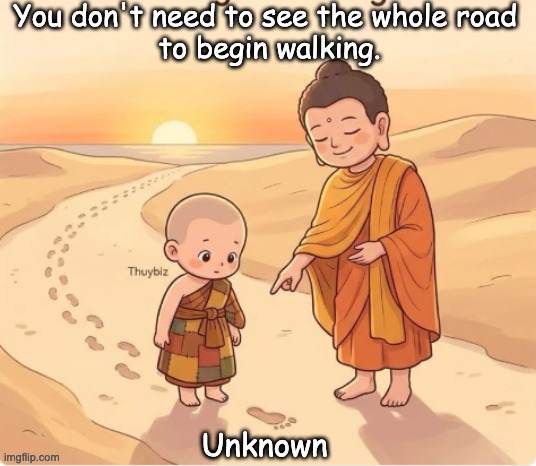
– You don’t need to know every detail of the future before you start.
– Progress begins with the ‘first step’, even if the full path is unclear.
– It encourages ‘courage, faith, and action despite uncertainty’.
– Waiting for perfect clarity can keep you from moving forward.
In simple terms: ‘Start where you are, with what you know, and keep going.’
Origin & Author 📚:
The exact wording “You don’t need to see the whole road to begin walking” does ‘not appear to have a clearly verified original author’. It is commonly shared as an inspirational saying, but its precise source is uncertain.
However, it is very similar in meaning to a famous quote often attributed to Martin Luther King Jr.:
> “Faith is taking the first step even when you don’t see the whole staircase.”
Likely Connection 🔗:
The “whole road” version is likely a ‘modern paraphrase or variation’ of MLK Jr.’s “whole staircase” quote.
– Theme: Faith, courage, beginning despite uncertainty
Ocean, summer, beach, and barbecues—we all live for June.

– ‘June symbolizes the beginning of summer’ ☀️
– People look forward to ‘holiday, sea, beach, outdoor life and barbecuing’ 🏖️🔥
– The month of June is presented as a period of ‘freedom, relaxation and fun’
– “We all live for June” means: “we look forward to that summer atmosphere all year round”
In short, the saying celebrates the arrival of summer.
📜 Origin:
This appears to be “not an old proverb or traditional saying.” It sounds more like a modern, English summer quote translated into Dutch.
It probably comes from:
– social media
– calendars or monthly quotes
– summer cards
– lifestyle blogs
– decorative texts about June and summer
The original English form could be something like:
> “Ocean, summer, beach, and barbecues — we all live for June.”
✍️ Author: There is ‘no known or officially documented author’ of this saying. Therefore, it is usually considered:
> ‘Author unknown’ / ‘anonymous’
So it is not a quote that can be reliably attributed to a famous writer, poet or historical person.
Let it be June, bring the summer beach back, and let our life be simple again.

The sentence mainly expresses ‘longing and nostalgia’:
– 🌞 ‘Longing for June/summer’: warmth, light, holiday feeling.
– 🏖️ ‘The beach as a symbol’: freedom, tranquility, carefreeness.
– 🌾 ‘Simple life’: less hustle and bustle, less worries, back to a calmer and clearer existence.
– 💭 ‘Nostalgia’: the feeling that life in the past — or in the summer — was lighter and simpler.
In short it means:
“I long for a carefree summer time where life feels calm, simple and happy again.”
📜 Origin:
The phrase mainly circulates as an ‘atmosphere quote’ on social media, maps, calendars and quote sites.
✍️ Author: There is ‘no reliably identified author’ known.
The quote is usually read as:
– ‘anonymous’,
– ‘unknown author’,
– or as a modern internet quote
displayed.
With the right music, you either forget everything or you remember everything.
The statement describes the paradoxical ability of music to bring about two opposing experiences:
– ‘Forget’: Music can allow you to become completely absorbed in the moment, so that worries, pain, or thoughts temporarily disappear. You escape from yourself.
– ‘Remember’: That same music can actually evoke memories with great force — a feeling, a person, a moment — precisely because music is deeply connected to emotional memory.
The power of the sentence lies in that contrast: the “right music” does not do something half-hearted, but always something absolute. That ‘or’ is not a choice you make — it is what the music does ’to you’.
Origin and author:
The statement is quoted in English as “With the right music, you either forget everything or you remember everything”, with Arikokba Kichu attributed as the author.
However, there is reason for great caution:
– Arikokba Kichu is virtually nowhere traceable as a writer, poet, or public figure. There is no Wikipedia page, no publications, no biography. – The name appears exclusively with this single quote, on platforms like Pinterest, Instagram, and quote websites — typical of so-called “internet phantom quotes”: statements that are shared en masse but whose source is unverifiable or fabricated.
– It is quite possible that the name was once invented or copied incorrectly somewhere, and has since been copied along as a fact.
Conclusion: The statement is beautiful and striking, but the author is ‘unknown’ or ‘unverifiable’. Anyone wishing to use the quote would be wise to state “author unknown” instead of a name that is almost certainly apocryphal.
For each of us there are multiple paths, multiple possibilities, those of birth, of transformation, of return.
– ‘Every person has multiple possible life paths’
Life is not entirely fixed; there are different directions in which a person can develop.
– ‘Existence unfolds in phases of inner change’
The three keywords point to a spiritual or existential process:
– 🌱 “birth”: a new beginning, literally or symbolically
– 🦋 “transformation”: change, growth, crisis, maturation
– 🔄 “return”: return to origin, essence, the true self, or inner peace
– ‘The sentence expresses a vision of human development’
Not as a straight line, but as a repeated process of becoming, changing, and coming home to oneself again.
🧾 Origin:
– In this English formulation, the statement ‘probably not a literally traceable quote’ is from a well-known work. – The sentence appears to be ‘more of a paraphrase, free translation, or later summary’ of ideas strongly reminiscent of the work of Hermann Hesse.
– The most likely literary kinship lies in themes from:
– “Demian” → birth, inner becoming, the path to oneself
– “Siddhartha” → various life paths, transformation, return to the source
– “Stufen” → life stages, starting over, continuous change.
📌 Most likely conclusion regarding the origin:
– ‘Not derived from a single demonstrable, literal Hesse passage’
– Likely originated as a summarizing formulation “in the spirit of Hesse”
✍️ Author:
– Hermann Hesse cannot be identified with certainty as the literal author. – The statement is possibly attributed to him because:
– the themes fit him well
– the words align with motifs from his work
– internet quotes often present paraphrases as genuine quotes
✅ Most responsible phrasing:
– Author: ‘uncertain / not reliably verifiable as a literal quote from Hermann Hesse’
– ‘Character’: likely a ‘modern paraphrase of Hessean ideas’
Therefore:
> ‘Probably not an authentic Hesse quote, but strongly inspired by his themes.’
Things get distorted easily when looking back.

The saying expresses that our memory and our assessment of the past are not reliably neutral. When we look back on events, our current knowledge, emotions, and beliefs color our memories. Things seem different in retrospect—better, worse, more logical, or more predictable—than they actually were at the time. It is a warning against excessive certainty about “how it really was.”
This phenomenon has been extensively described in psychology as the “hindsight bias”: people tend to regard past events as more predictable than they actually were, and knowing the outcome in hindsight can distort memories of what one knew or believed beforehand.
Origin:
This is not a classic proverb with a fixed, traceable origin. Rather, it articulates a ‘universal human experience’ that has been formulated in various ways by philosophers, writers, and psychologists throughout the centuries. As a psychological concept, hindsight bias was first systematically described and investigated in the 1970s by psychologists studying errors in human decision-making. The idea itself, however, is much older and appears in philosophical and literary traditions worldwide.
Author:
The attribution to Hermann Hesse is ‘unconfirmed’. Hesse did write about related themes — for instance, the famous quote is attributed to him: “Words do not express thoughts well. They always become a little different once they are spoken, a little distorted, a little foolish.” But the specific sentence “Things are easily distorted when you look back” is not found in his documented work. There is no reliable source attributing this exact statement to Hesse — or to any other specific author. It is likely an ‘anonymous saying’ that has been wrongly attributed to him over time, which happens very often with wisdom sayings on the internet.
The pleasant feeling of having something to do, a goal to pursue.

The statement expresses a universal human feeling: having a goal provides direction, structure, and meaning. It is not so much the ‘reaching’ of the goal that is pleasant — it is the journey toward it, the sense of working towards something. This idea is central to philosophy (Aristotle’s “eudaimonia”: flourishing through purposeful action) and modern psychology — Csíkszentmihályi demonstrated that people are happiest when engaged in a meaningful challenge (“flow”). In short: a goal makes life more bearable and pleasant, even if it is never fully achieved.
Origin:
The exact origin is unknown. After extensive searching, the phrase cannot be traced back to a specific text, book, or speech anywhere. These kinds of widely disseminated phrases are often a free paraphrase of something someone once read or heard, with the original source being lost along the way. They then spread as standalone “sayings,” without an anchor.
Author:
Unknown. And almost certainly ‘not’ Hermann Hesse, although that word is often suggested. His work is well-documented and extensively cited, but this sentence appears nowhere. Moreover, the idea clashes with his core message: Hesse wrote precisely that seeking requires a goal, but truly ‘finding’ means freedom and aimlessness — “Seeking means: having a goal. But finding means: being free, being open, having no goal.” The attribution to Hesse is likely a case of ‘quote misattribution’: famous names like Hesse, Einstein, or Churchill are attached to it retrospectively to give a statement more authority.
You know nothing of wisdom until you have experienced the darkness, which cuts you off from everyone, without recourse and without noise.
The core of the message is powerful and philosophically coherent:
– ‘Wisdom is not theoretical, but existential.’ You cannot read or learn it — you must ‘experience’ it.
– ‘The darkness that cuts off from others’ refers to the deep, personal crisis: grief, depression, exclusion, meaninglessness — moments when no social safety net reaches you.
– ‘Without refuge and without sound’ reinforces the absolute desolation: no distraction, no support, just yourself facing the darkness.
– The implicit message is that ‘whoever has endured that darkness’ looks at life differently afterwards — not because he has solutions, but because he knows what is at stake.
Origin: Uncertain, probably not demonstrably from Hesse, although this is often suggested. This quote circulates online in various variants, but a reliable source is lacking. That is a classic characteristic of so-called ‘apocryphal’ quotes — statements attributed to well-known authors without a genuine textual source existing. Hesse, Jung, and Rilke are popular “hook-ups” for this type of quote regarding darkness, loneliness, and inner growth.
As for the content, thematically it does fit with both Hesse and Jung:
– Hesse wrote: “Madness, in a higher sense, is the beginning of all wisdom” — madness in a higher sense as the beginning of wisdom.
– Carl Gustav Jung wrote: “In order to know the light, we must first experience the darkness” — to know the light, we must first experience the darkness. And also: “One is not enlightened by imagining all kinds of images of light, but by becoming aware of one’s own inner darkness.”
The theme of this quote — that true wisdom only grows out of an isolating, soundless darkness — is closest to Jung, not Hesse. Conclusion:
The quote has an authentic, literary-philosophical quality, but the attribution to Hesse (or anyone else) is not yet traceable. It is likely an ‘anonymous quote’, or an adaptation of ideas from Hesse, Jung, or the existentialist tradition that has been given a name online. That does not make the content any less accurate — but caution is warranted regarding the attribution.
Step aside to a brand new day. In the month of May, I feel I can start again. Life is feeling new. This is hope. This is love. This is where we all won. If you call, I will hear. I will listen for you.
On safe paths only the weak are sent.
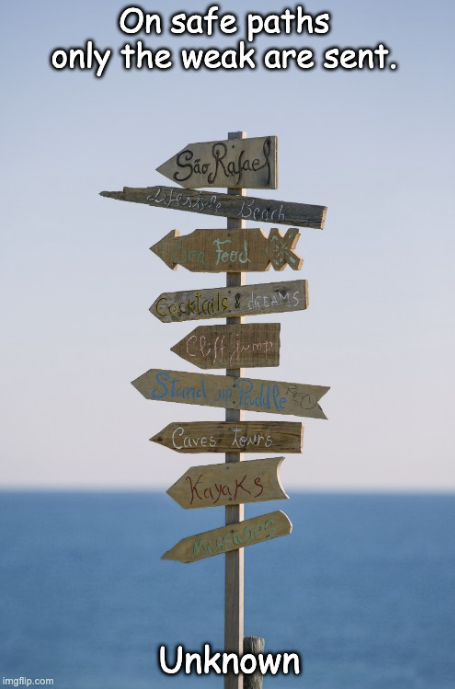
This is a common phenomenon: powerful, good-sounding quotes are attributed online to famous thinkers (Hesse, Nietzsche, Goethe) without the source being traceable. In this case Hermann Hesse (1877–1962), the German-Swiss Nobel Prize winner. Conclusion:
The statement circulates as a standalone aphorism, but has no reliably demonstrable author. It is possibly a paraphrase of a related idea from Romantic or existentialist literature, or simply anonymous folk wisdom that was later attached to a famous name.
I’m not normal. I don’t want to be. I don’t pretend to be. It’s quite simple. I am me.
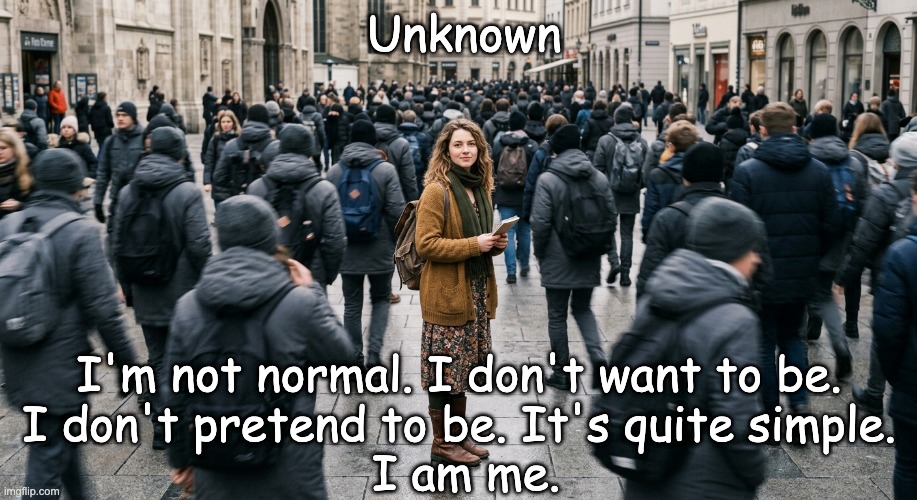
Don´t be a beggar of love, be a giver of love. Beautiful people are not always good, but good people are always beautiful.
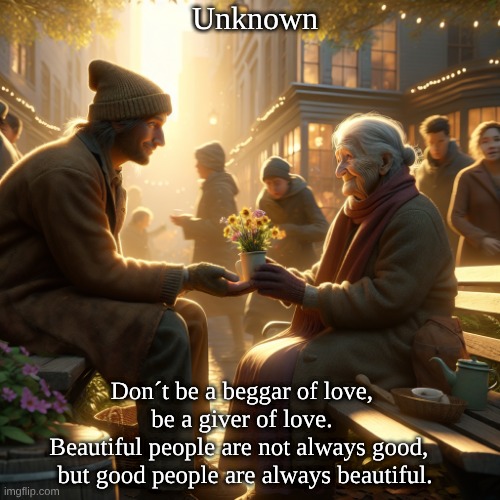
1. On the difference between a “giver” and a “beggar” ❤️ The “beggar of love”: This describes someone who is completely dependent on external validation and affection for his or her happiness. It implies a sense of lack or dependence, always waiting for others to meet their emotional needs. This can lead to clingy behavior or a constant need for approval. The “giver of love”: This represents someone who is emotionally fulfilled and generates love themselves to share with others. Instead of needing to be filled, this person is an abundant source of affection, kindness, and support. This is seen as a more powerful and fulfilling state of being. Core message: True happiness and strength stem from cultivating love within yourself and freely sharing it with the world, rather than desperately seeking love from others. 2. On inner versus outer beauty ✨: “Beautiful people are not always good”: This emphasizes the general truth that physical attractiveness does not correlate with morality, kindness, or good character. Someone can look beautiful on the outside but be cruel or unkind on the inside. “Good people are always beautiful”: This is the core of the wisdom. It states that a person’s inner goodness—their kindness, compassion, integrity, and warmth—creates a radiant “beauty” that overshadows physical appearance. This inner glow is lasting and universally recognizable as true beauty. Core message: Judge people by their character, not by their appearance. Goodness creates its own, much more meaningful form of beauty. 📜 Origin and author: Although it is often attributed to Rumi, this is highly unlikely. While it aligns perfectly with the compassionate and spiritual themes often found in Rumi’s poetry, the language is far too modern. Rumi was a 13th-century Persian poet, and the phrasing used here is a product of modern English-language self-help or wisdom culture. Many common wisdom quotes online are incorrectly attributed to iconic historical figures such as Rumi, Einstein, or Gandhi to give them more authority. Possible origin: Non-authoritative / Incorrectly attributed: Author: The quote appears to be by an unknown author. It is likely an anonymous or collectively created wisdom quote that has gained popularity through social media and inspirational websites. Similar concepts: The idea itself is ancient and appears in various philosophies and religions. It reflects themes ranging from Greek philosophy (the alignment of the Good, the True, and the Beautiful) to the teachings of diverse spiritual traditions that emphasize selfless love and inner character. 🌟 Conclusion: In short, this saying is a beautiful and universally recognizable piece of modern folk wisdom. Although it does not originate from Rumi, it carries a spirit that he, and many other spiritual teachers throughout history, would likely have approved of. It encourages us to find our inner strength to be sources of love and to recognize that true beauty comes from a good heart.
The best remedy for a short temper is a long walk.

You will never find justice in a world where criminals make the rules.

You don’t have to explain or justify your choices to anyone… It’s your life, not theirs.
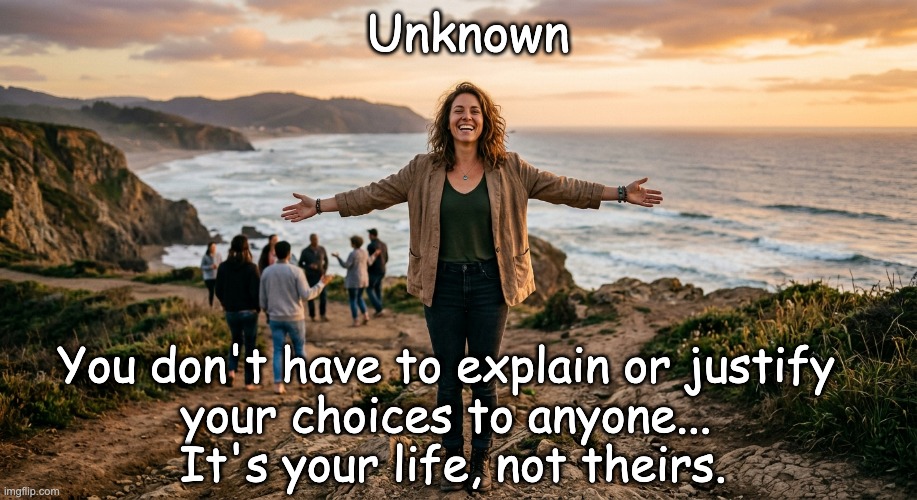
Be willing to go alone sometimes. You don’t need permission to grow. Not everyone who started with you will finish with you. And that’s OK.
Isn’t it funny how day by day nothing changes, but when you look back, everything is different.
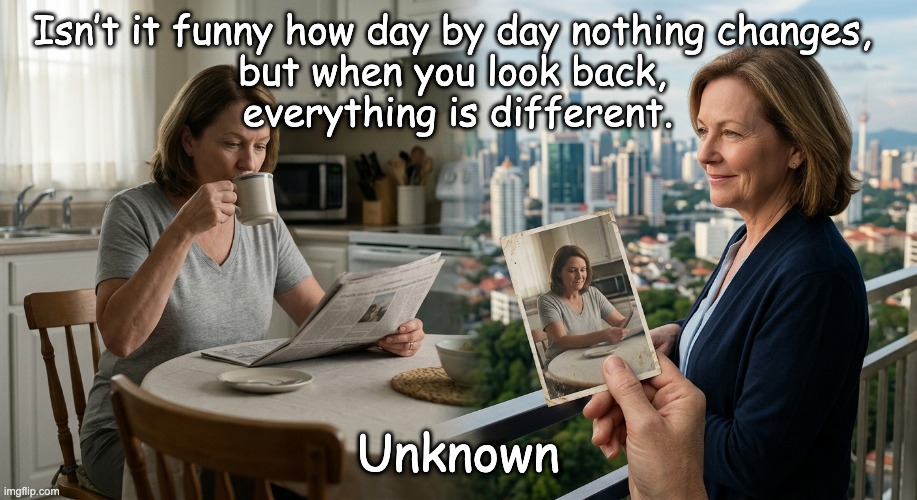
It is a reminder to appreciate how far we have come, even if it seems as though we are standing still in the short term. 📚 Origin and Author: This is where it gets interesting! Many people attribute this quote to the famous writer C.S. Lewis. You can find it on countless websites, in quote books, and on social media with his name attached. But… is it really from him? 🤔 The hard truth: There is no evidence whatsoever that C.S. Lewis ever wrote or said this quote. It does not appear in his known books, letters, or diaries. So where does it come from? The exact origin is difficult to trace. It seems to be one of those sayings that evolved over time and were attributed to a famous person to give it more weight. This is a very common phenomenon with quotes on the internet. A catchy phrase is often linked to a famous philosopher or writer, even if there is no historical evidence for it. Although it is probably not from C.S. Lewis, it remains a powerful and true quote that resonates with many of us! 🕰️
Everyone can afford to give away a smile.

Be curious, not judgmental.
In short: it is a wise thought without a known author, which has been forever stuck to a 19th-century poet by a fictional coach and a television series. Whitman would probably have been able to live with it — he himself was a master of open, all-embracing curiosity.
Keep your face always toward the sunshine – and shadows will fall behind you.

March comes in like a lion and goes out like a lamb.

March comes in with an adder’s head, and goes out with a peacock’s tail.

You are reborn with the roses, in every spring.
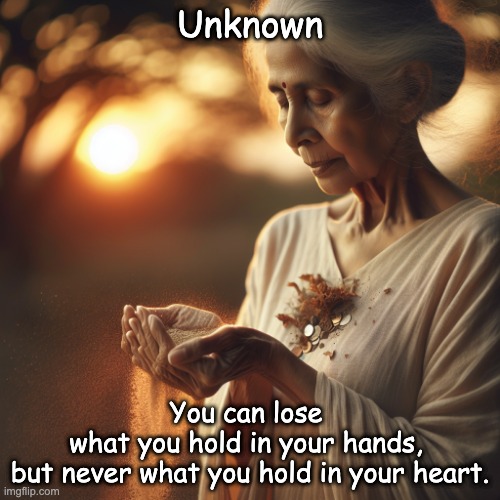
You can lose what you hold in your hands, but never what you hold in your heart.
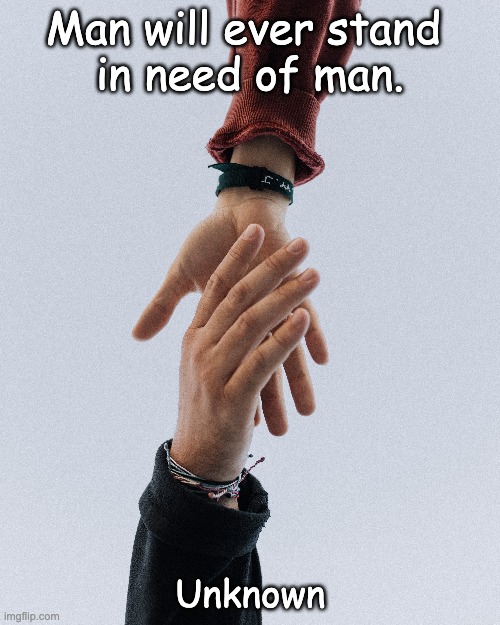
Man will ever stand in need of man.
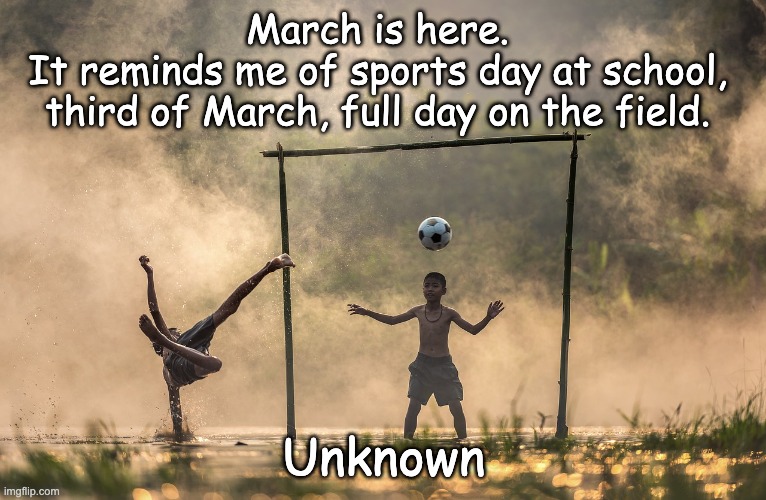
March is here. It reminds me of sports day at school, third of March, full day on the field.
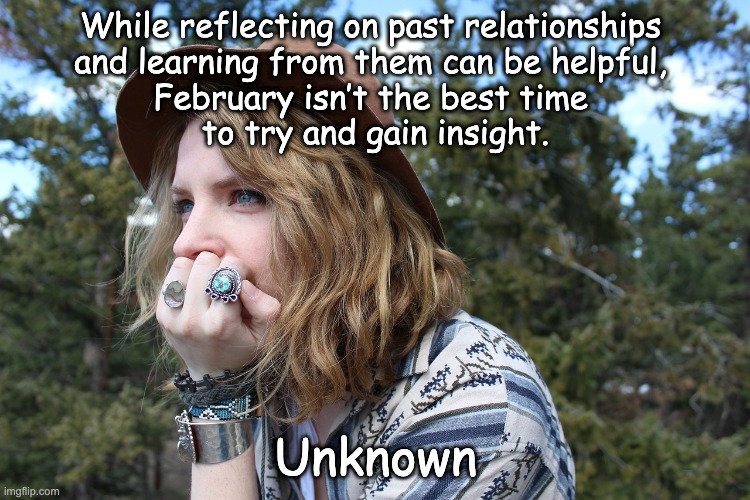
While reflecting on past relationships and learning from them can be helpful, February isn’t the best time to try and gain insight.
February came like this. She’s marching with her friend called April. May you never look like it June and July, oh mama.
When we speak of good or evil, we are referring to what a person calls good or evil.
You really have to treat every person as a human being and therefore treat them according to their individual characteristics.
When I shut my mouth and turn to walk away, it doesn’t mean you’ve won. It simply means your stupidity isn’t worth any more of my time.
When I see philosophers, I admire philosophy; when I see priests, I admire nothing.
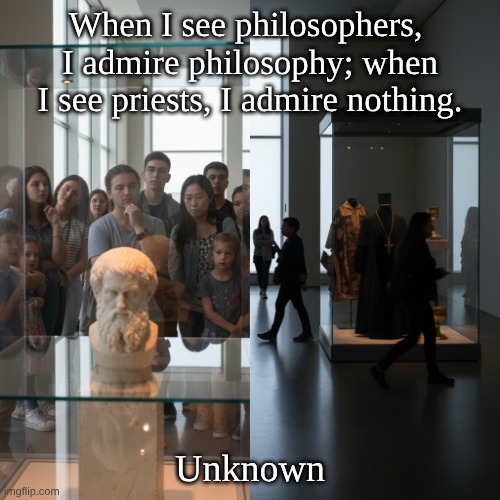
Philosophers arouse admiration for philosophy (thinking/method). Priests do not arouse admiration for nothing (criticism of the clergy/institution). Core message: praise for free inquiry and skepticism toward religious authority (clericalism), not necessarily an attack on personal beliefs. Origin and language 🔎📚: Originally known in French as: “Quand je vois des philosophes, j’admire la philosophie; quand je vois des prêtres, je n’admire rien.” Style and theme point to a modern, French-anticleric aphoristic tradition (18th–19th century), not to antiquity. Author✍️: No reliable primary source is known to unambiguously link this to one author. Often mis/misattributed to: Voltaire, Nicolas Chamfort, Stendhal. These attributions are widely quoted, but there is no verifiable source in their works.
Color purple, dream burning, February’s sea.
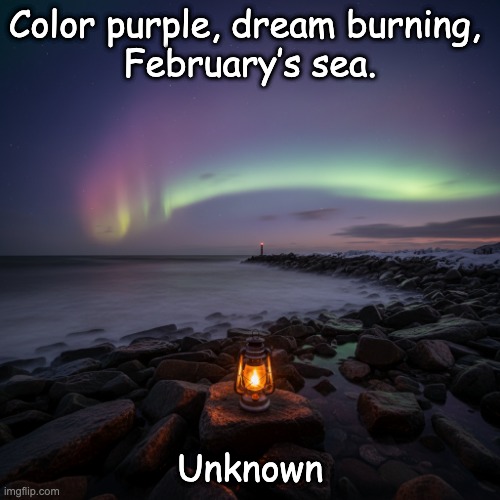
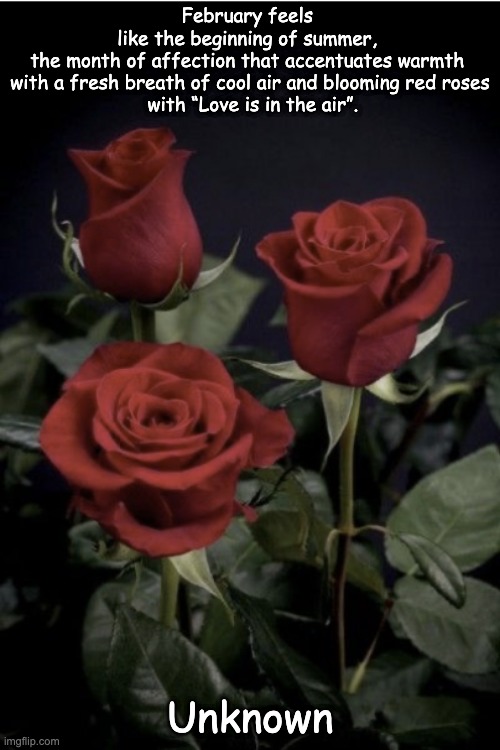
February feels like the beginning of summer, the month of affection that accentuates warmth with a fresh breath of cool air and blooming red roses with “Love is in the air”.
In February’s dark, we watched the stars explode until daybreak.
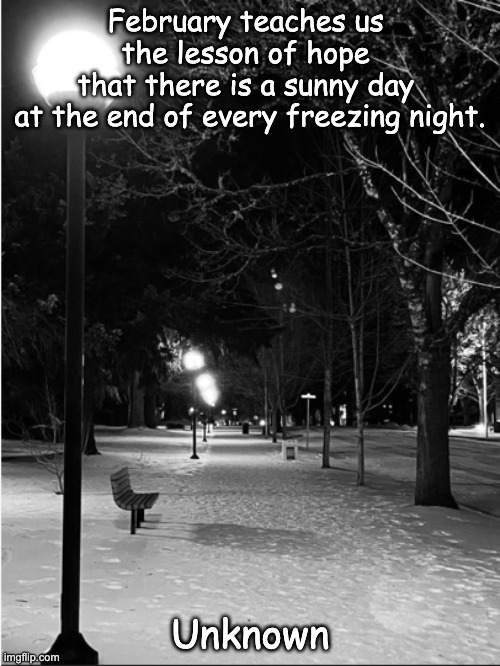
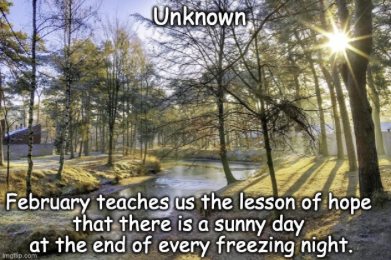
February teaches us the lesson of hope that there is a sunny day at the end of every freezing night.
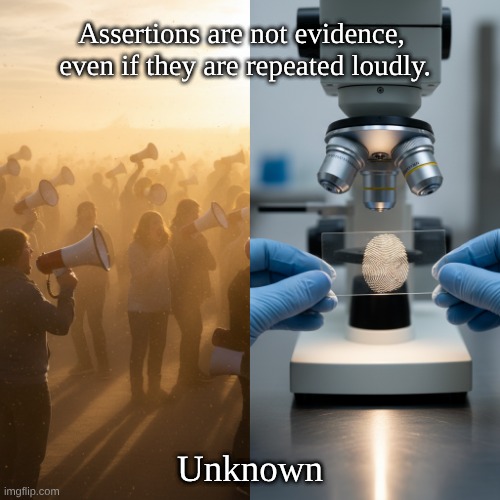
Assertions are not evidence, even if they are repeated loudly.
Real secrets cannot be told.

The company’s contributions are practically never made on the basis of friendship, part affiliation or anything like that. It’s business.

The hardest lesson I’ve had to learn as an adult is the relentless need to keep going, no matter how shattered I feel inside.

Humanity is greater than status.
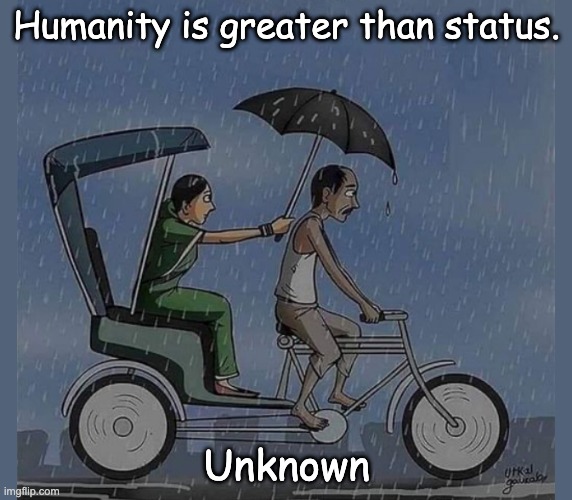
Core message: Regardless of one’s position in society, human qualities such as kindness, empathy, and respect are more important. Origin: Context: The saying is often used in discussions about social justice, ethics, and humanity. Era: This line of thought has been a topic of discussion in philosophy and religion for centuries. Author: Unknown: The exact origin of the saying is unclear and cannot be attributed to a specific author. However, the idea can be found in the works of various philosophers and thinkers throughout history, such as Martin Luther King Jr., Mahatma Gandhi, and Albert Einstein. Relevance: Contemporary application: This saying is relevant in discussions about social inequality, discrimination, and the need to treat each other as human beings, regardless of status. Inspiration: It serves as a reminder to focus on what unites us as people, rather than what divides us through status or wealth. Conclusion: The statement “Humanity is greater than status” calls on us to recognize and promote the value of humanity, regardless of social differences. 🌍❤️
Friends may come and go, but enemies accumulate.

Unexpected friendships are the best.

Origin: It is not attributed to a specific author and occurs mainly as a modern saying, which circulates widely on social media, blogs and in popular literature. It therefore functions as a contemporary proverb rather than a quote from a well-known writer or philosopher.
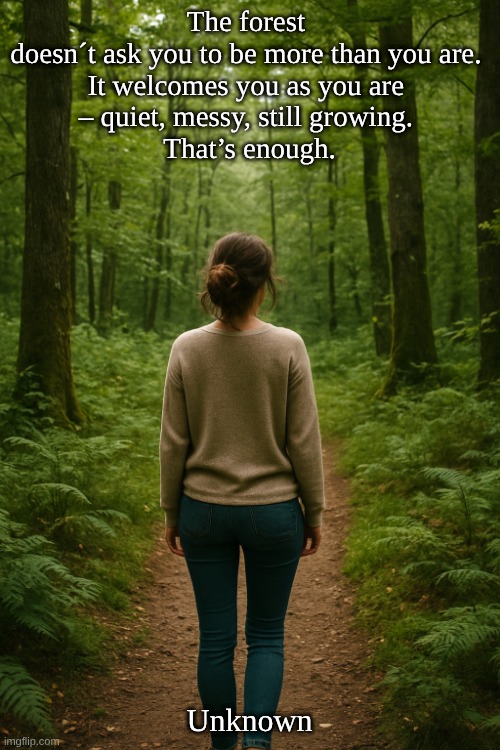
The forest doesn´t ask you to be more than you are. It welcomes you as you are – quiet, messy, still growing. That’s enough.
One who believes in himself, has no need to convince others.
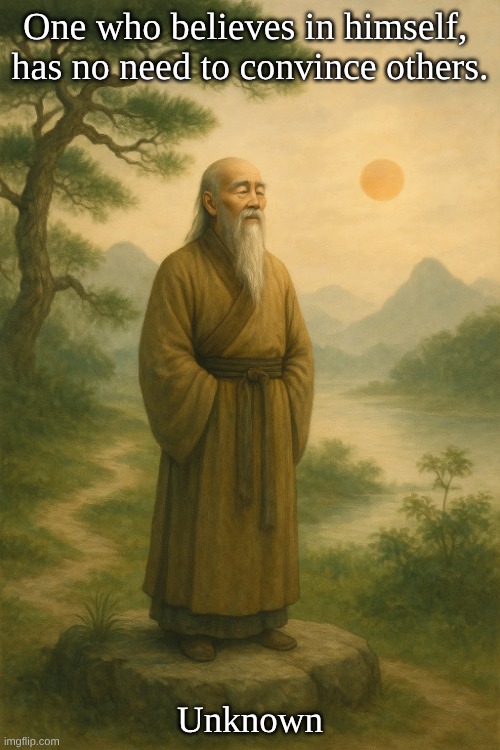
Inner certainty makes external confirmation unnecessary. True strength and conviction come from within, not from the approval of others.
Self-confidence replaces the need for recognition or the struggle to be right. Origin: Often attributed to Laozi (also: Lao-tse or Lao Tzu). There is no direct source in the Tao Te Ching (道德經), Laozi’s only surviving work, in which this sentence appears literally. The saying fits perfectly with Laozi’s philosophy.
We all face death in the end. But on the way, be careful never to hurt a human heart.
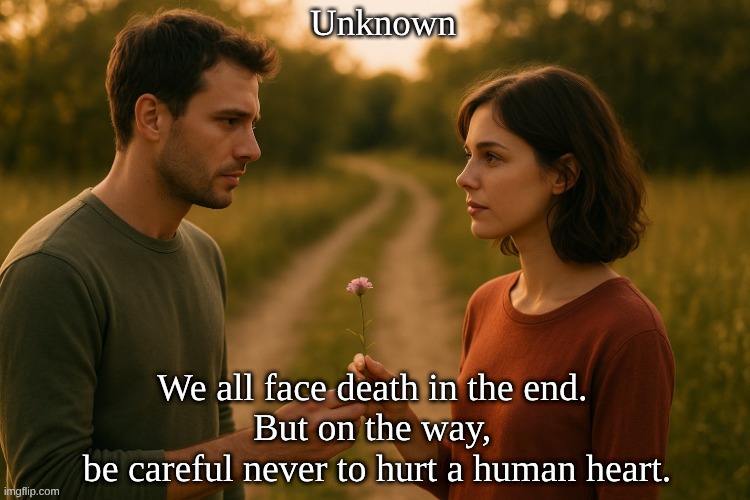
It is therefore most likely a modern, anonymous paraphrase in a spiritual style, inspired by Sufi or universal humanist themes.
The pure soul always wins in the end.
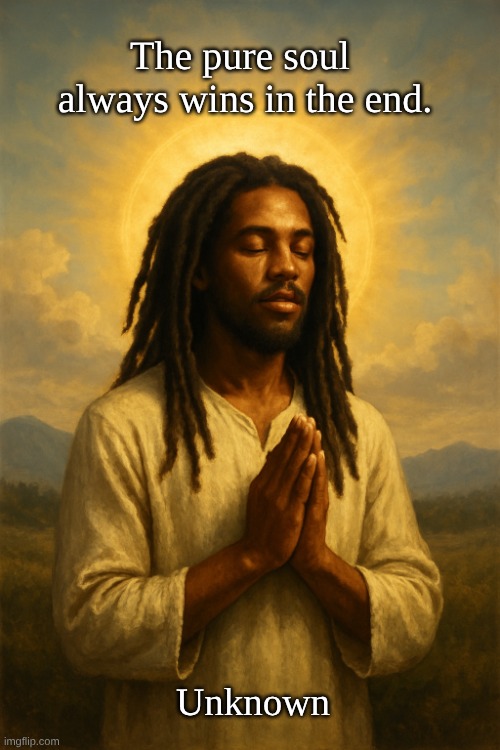
‘Always wins in the end’ = in the long run, sincerity, morality and purity will prevail over deceit or bad behaviour.
It expresses a moral conviction that inner purity and good behaviour will ultimately prevail — even if the result is not always immediate or visible.
This idea appears in various spiritual, philosophical, or religious traditions: for example, ideas about karma, or ‘good will triumph’. Origin: It is unlikely that Bob Marley is the original author.The statement seems more likely to be a modern, anonymous inspirational saying that has been attributed to him (possibly because his name carries authority or appeal).Therefore — until evidence emerges — the authorship remains unknown/anonymous.
To be fond on the first of November is to admire the art of melancholy.
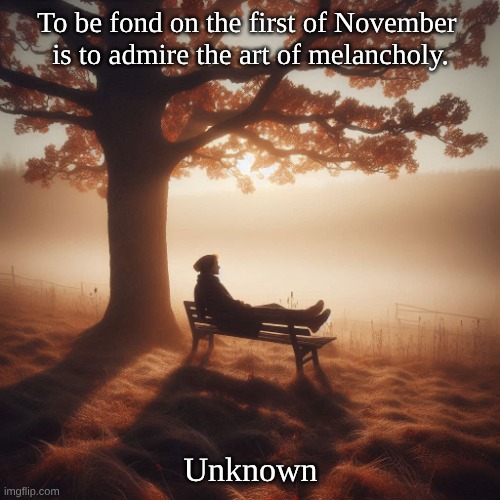
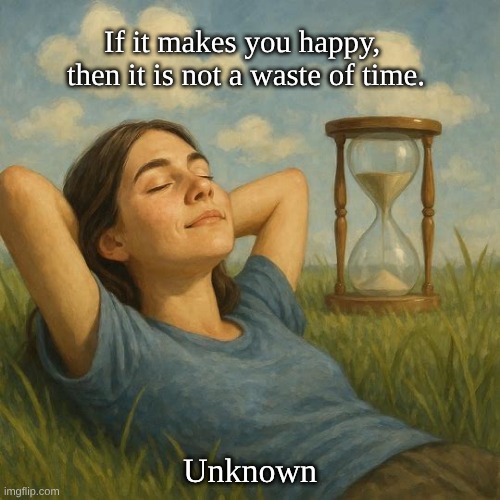
If it makes you happy, then it is not a waste of time.
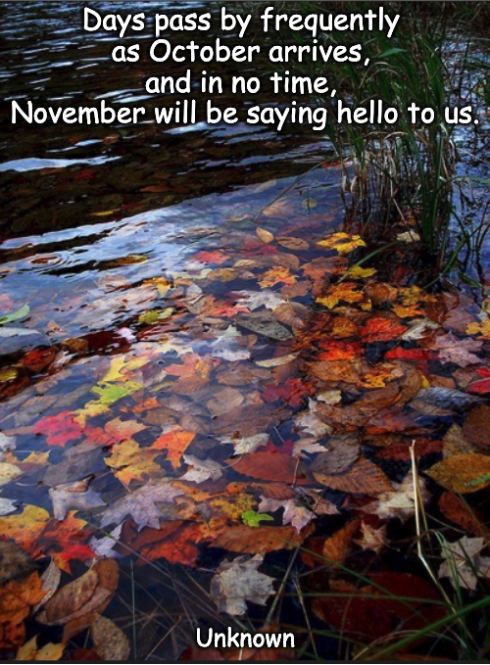
Days pass by frequently as October arrives, and in no time, November will be saying hello to us.
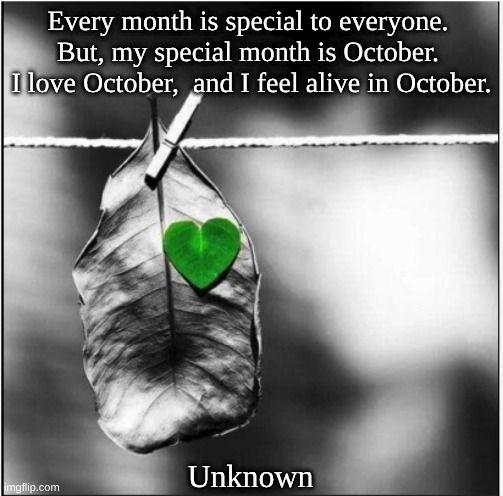
Every month is special to everyone. But, my special month is October. I love October, and I feel alive in October.
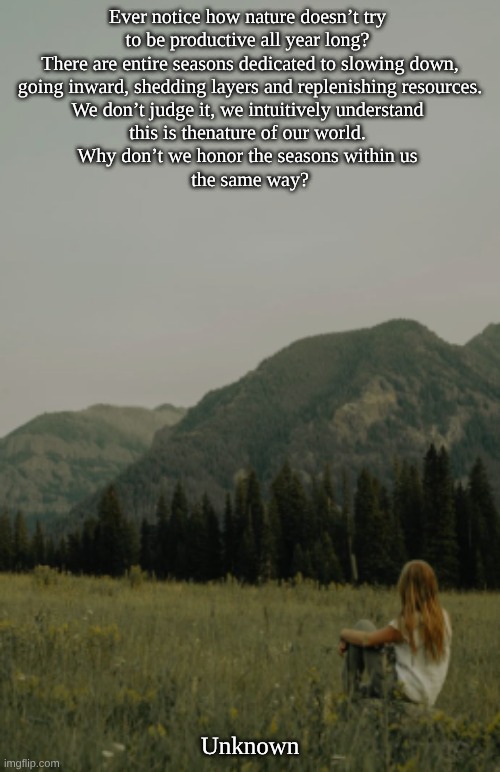
Ever notice how nature doesn’t try to be productive all year long? There are entire seasons dedicated to slowing down, going inward, shedding layers and replenishing resources. We don’t judge it, we intuitively understand this is thenature of our world. Why don’t we honor the seasons within us the same way?
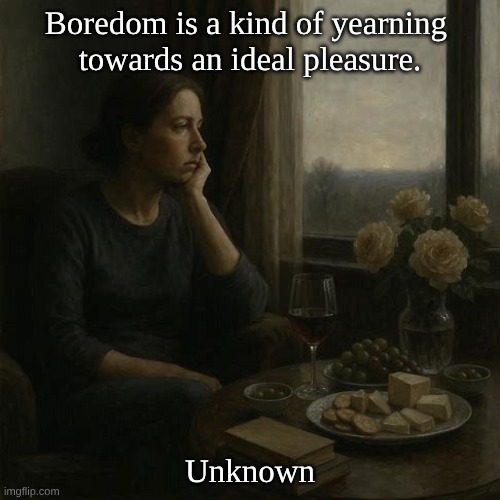
Boredom is a kind of yearning towards an ideal pleasure.
Nothing is impossible with nature in this month of October. So, believe in yourself and welcome this beautiful month with grace.
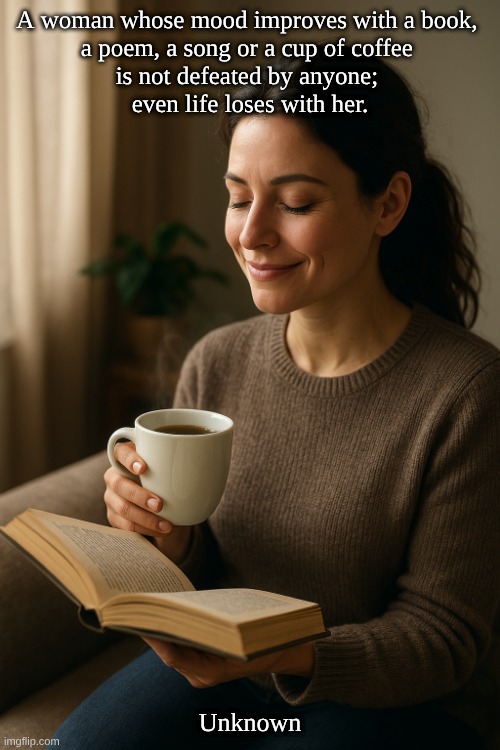
A woman whose mood improves with a book, a poem, a song or a cup of coffee is not defeated by anyone; even life loses with her.
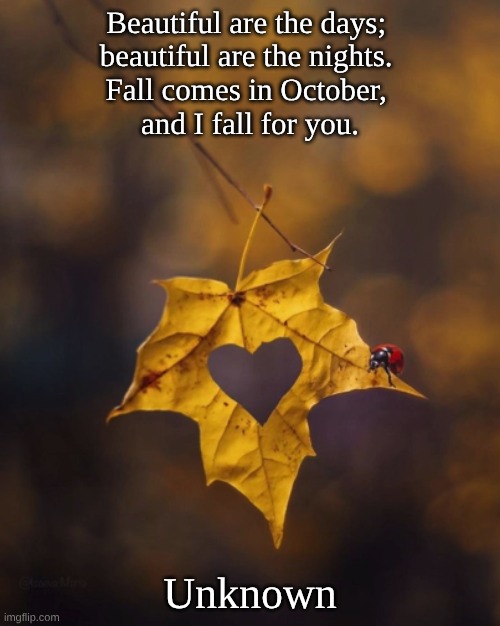
Beautiful are the days; beautiful are the nights. Fall comes in October, and I fall for you.
It takes two years to learn to speak, and sixty to learn to keep quiet.

Dear October, I am going to make you awesome.
Let’s spark up October and make it better than September.
October is here, my love; fall is here. Yes, autumn just knocked the door of my heart, telling me to fall in love with you all over again.
Hello October, I’ve missed you.
Good to see you, October, the month of autumn ending on Halloween.
Happy October days are here, and being the proud 10th month of the year, it is rolling out all the worries before Halloween. Indeed a beautiful feeling?
Happy new month! Wishing all my friends and families a blessed October. Have a great month.
October has arrived, and only two months are left behind to enter into the new year.
Goodbye September, keep calm and welcome October; I love this time of the year, so be good.
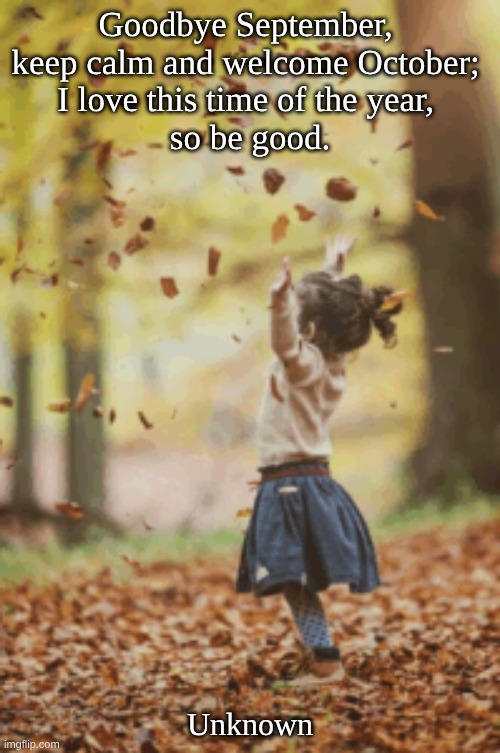
Goodbye September, the past of my life. Hello, October, may the best future be hidden in you.

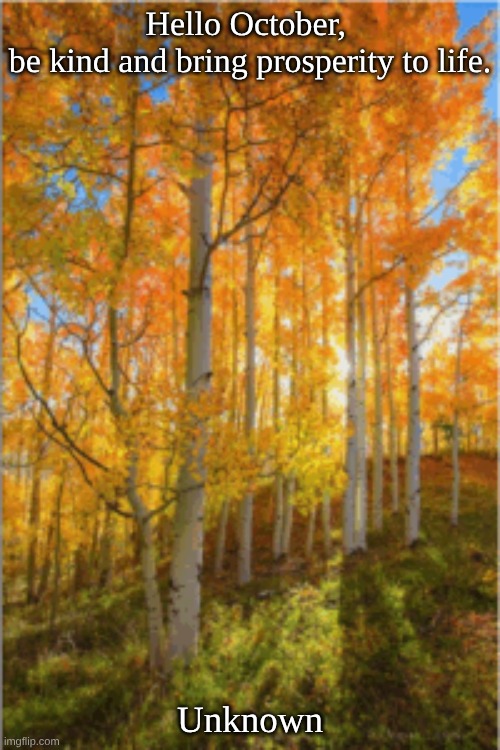
Hello October, be kind and bring prosperity to life.
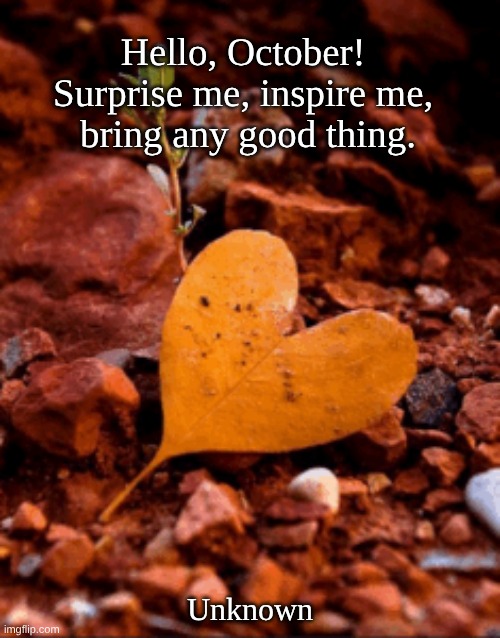
Hello, October! Surprise me, inspire me, bring any good thing.
Welcome, 10th month! Welcome to life.
Time expressed in friendship is timeless.

When you’re in the Halloween spirit, but it’s only September.
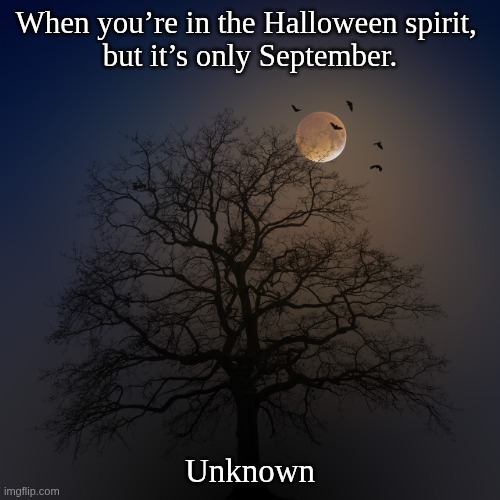
This is a humorous, relatable line meaning:
– You’re ‘getting into Halloween mode too early’
– Even though it’s ‘still only September’ (before Halloween season officially “starts”)
– The speaker is basically saying:
“I’m too excited / I’ve started early!” 🎃
🧠 Origin / First Author:
‘I ‘can’t reliably identify an original author’ for this exact sentence.
– It appears to be the kind of ‘caption’ that spreads widely on:
– memes
– social media posts (Instagram, TikTok, Facebook)
– meme-caption accounts
– Phrases like this typically ‘don’t have a single known creator’, and versions circulate without credit.
✍️ Who Usually Uses It?
– Meme pages
– Halloween-themed brands
– personal posts by people decorating early 🕸️
Number one rule in September, If nobody sees you eating it, it doesn’t contain any calories.
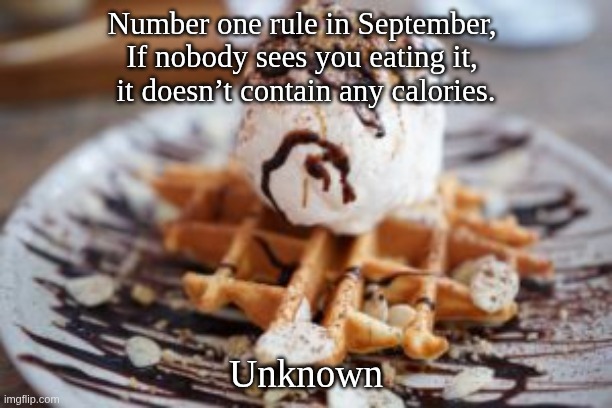
The sentence is a humorous “diet rule” suggesting that food eaten secretly has no calories because nobody witnessed it. It jokes about ‘denial, guilt, and self-deception’ around eating. Scientifically, of course, being unseen does not change the calorie content.
“In September” is probably just a seasonal addition—perhaps from a calendar, meme, or social-media post—not an essential part of the original joke.
Origin and author:
– The underlying joke:
—“If nobody sees you eat it, it has no calories”—
has circulated for many years in humorous lists such as ‘Rules of Dieting’ or ‘Dieting Rules’.
– There is ‘no reliably documented original author’.
– It is generally best credited as ‘Anonymous’ or described as a ‘popular dieting joke’.
– The September wording appears to be a later adaptation rather than the original form.
A smoother version would be:
> “The number-one rule for September: If nobody sees you eat it, it has no calories.”
If you’re born in September, it’s pretty safe to assume that your parents started their new year with a bang.
The sentence is a ‘sexual joke based on wordplay:
– Someone born in “September” was probably conceived roughly ‘nine months earlier’, around ‘December or January’.
– “Started their new year with a bang”:
normally means beginning the year in an exciting or dramatic way.
– Here, “bang” is also slang for ‘having sex’, implying that the person’s parents had sex around New Year’s and conceived them.
It is humorous rather than medically exact, since pregnancy timing varies.
Origin and author 🔎:
– The line appears to be a ‘modern internet joke or meme caption’ that has circulated on social media and quotation sites in several versions.
– There is ‘no reliably documented original author or identifiable source’.
– It is therefore best described as ‘anonymous / author unknown’, rather than attributing it to a particular comedian or writer.
If you’re a September-born kid, it means you have to step into some craziness this month, and I know you can do it because you are already crazy.
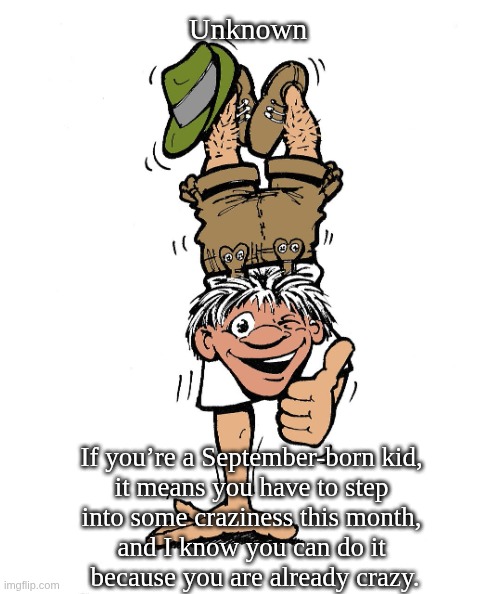
The sentence is a humorous birthday-month message aimed at someone born in September. It means:
> “Since September is your birth month, embrace some fun, wild, or unusual experiences. You can handle them because you already have a crazy, adventurous personality.”
Here, “crazy” is used playfully to mean ‘wild, fun-loving, daring,’ or ‘unconventional’—not mentally ill. “Step into some craziness” means to participate in exciting, chaotic, or unusual activities.
📜 Origin and author:
There is ‘no widely documented literary source or verified famous author’ for this exact sentence.
It appears to be an ‘anonymous internet birthday quote’, social-media caption, meme, or personalized greeting. Its slightly informal and repetitive wording also suggests that it may have been improvised, translated, or generated for an online post rather than taken from a published work.
Unless it appeared in a specific book, video, account, or image with attribution, the safest citation is:
> Author: ‘Unknown / Anonymous’
> Origin: ‘Contemporary social-media or birthday-message culture’
Let’s go insane this September but beware of falling down into the gutter.
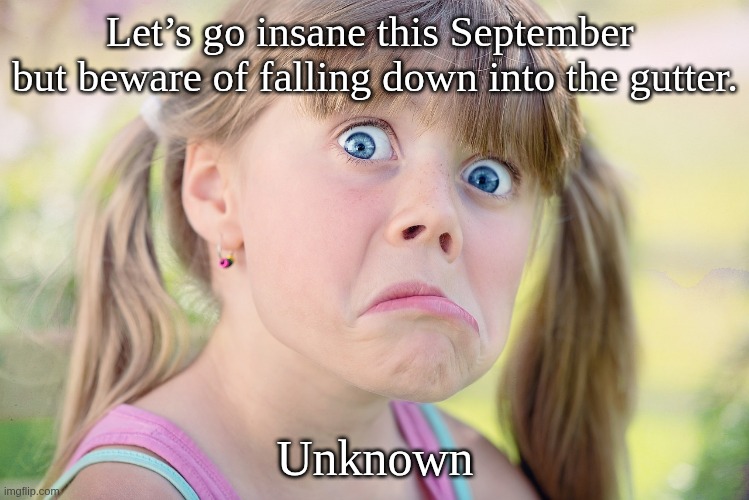
The sentence is playful and metaphorical:
– “Go insane this September” means to behave wildly, spontaneously, or unusually during September.
– “Falling down” is a seasonal pun: in the Northern Hemisphere, September marks the beginning of ‘fall/autumn’.
– “Into the gutter” can mean either literally ending up in the street gutter or figuratively sinking into disgrace, vulgarity, or self-destructive behavior.
Overall:
‘Enjoy yourself and be a little wild, but do not lose control or degrade yourself.’
🖋️ Origin and author:
This does ‘not appear to be a well-established quotation with a reliably documented author’.
It sounds like a modern caption, slogan, or original piece of wordplay rather than a line from a famous literary work.
The word “gutter” may loosely recall Oscar Wilde’s famous line:
> “We are all in the gutter, but some of us are looking at the stars.”
— “Lady Windermere’s Fan” (1892)
However, there is no clear evidence that Wilde wrote the September sentence itself. Unless it appeared in a specific book, post, or image, its author should be listed as ‘unknown or unattributed’.
September sweaters havin’ me feeling gorgeous.
Good Morning! Happy September. May it be filled with only showers of blessings.
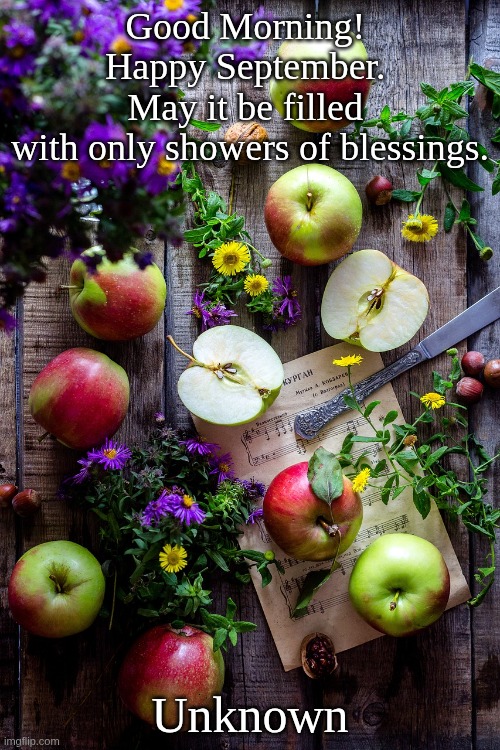
The saying is a warm greeting for the beginning of September. It expresses the hope that the new month will bring abundant happiness, favor, peace, prosperity, and other good things.
– “Happy September”:
welcomes the new month.
– “Showers of blessings”:
uses rain as a metaphor for blessings arriving plentifully and continuously.
– “Only”:
emphasizes the wish that the month will be filled with positive experiences rather than difficulties.
📜 Origin:
The exact sentence appears to be a ‘modern inspirational greeting circulated online’, especially in new-month messages, greeting cards, and social-media posts. There is no reliable evidence of a single original source.
However, the expression “showers of blessings” likely draws on:
– Ezekiel 34:26 in the Bible:
> “And there shall be showers of blessing.”
– The Christian hymn “There Shall Be Showers of Blessing,” written by Daniel W. Whittle in 1883, with music by James McGranahan.
✍️ Author:
The author of the ‘exact quotation is unknown or anonymous’. It should not be attributed to Daniel W. Whittle, although its key phrase may have been influenced by the biblical verse and his hymn.
Hello, September! Open our eyes to the beauty of the world.
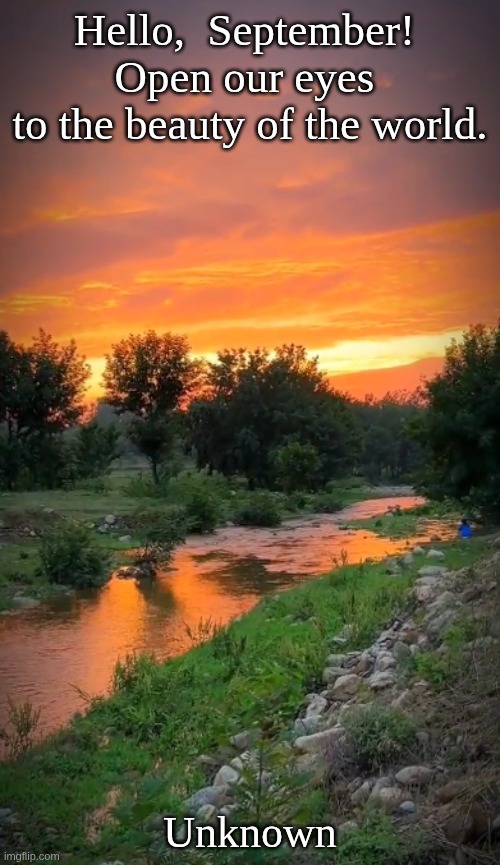
The saying welcomes September and expresses a wish that the new month will help us:
– notice the beauty in nature and everyday life;
– become more grateful and attentive;
– embrace seasonal change, renewal, and new beginnings.
“Open our eyes” is figurative:
— it means ‘help us recognize and appreciate what is already around us’.
Origin and author:
There is ‘no reliably documented author or original published source’ for this exact wording. It appears to be a modern inspirational “Hello, September” greeting circulated on social media, greeting cards, and quote websites. It is therefore best credited as:
> ‘Author unknown’ or ‘Anonymous’
It should not be attributed to a famous writer unless a verifiable source is provided.
Hello September! I am ready for more laughter, more sleep, less negativity, less stress, more love, more good stuff.
The saying welcomes September with a positive intention for the new month. It expresses a desire for:
– “More laughter”:
— greater happiness and enjoyment
– More sleep”:
— better rest and self-care
– “Less negativity and stress”:
— a calmer, healthier mindset
– “More love and good things”:
— stronger relationships and positive experiences
Overall, it is a lighthearted ‘new-month affirmation’ about leaving difficulties behind and hoping for a happier, more balanced life.
📜 Origin:
The quotation appears to be a modern ‘internet and social-media saying’, commonly shared at the beginning of September on greeting cards, images, blogs, and inspirational posts. Variations often replace “September” with another month.
There is no well-documented original publication or historical source for the exact wording.
✍️ Author:
The author is ‘unknown or anonymous’.
September―all the best to the people born in September.
This is a warm birthday greeting expressing:
– good wishes to everyone whose birthday falls in September;
– hope for their happiness, health, success, and good fortune;
– appreciation or celebration of September-born people.
The words “all the best” are short for “I wish you all the best.”
🕰️ Origin:
This does ‘not appear to be a traditional proverb or a well-established literary quotation’ . It is more likely a modern birthday message or social-media caption created for people born in September.
The punctuation mark “―” is a horizontal bar functioning like an em dash. A more natural version would be:
> “September — all the best to everyone born in this month!”
✍️ Author:
There is ‘no reliably documented author’ for this exact wording. Unless it appeared in a specific book, post, card, or image with a credited creator, it should be described as:
> ‘Author unknown’ or ‘Anonymous’.
It is safest not to attribute it to a famous writer without a verifiable source.
September month is 30 days long and nurtures the life to the fall when it’s all about celebration.
The saying presents ‘September as a transition into autumn’:
– “30 days long”:
refers to the traditional rhyme:
“Thirty days hath September…”
– “Nurtures the life to the fall”:
suggests that September brings crops, plants, and nature to maturity as autumn begins.
– “All about celebration”
likely refers to “harvest festivals, seasonal abundance, and autumn celebrations.”
In simpler words:
> ‘September completes the growing season and welcomes autumn—a time of harvest, gratitude, and celebration.’
📜 Origin and author:
There is ‘no reliably documented author or established historical source’ for this exact wording. It does not appear to be a traditional proverb or a quotation by a recognized literary figure.
The sentence seems to be a ‘modern, informal adaptation’ combining:
1. The old calendar rhyme:
“Thirty days hath September…”, whose precise author is unknown and whose versions date back several centuries.
2. Traditional associations of September with: ‘autumn, harvest, and celebration’.
Therefore, the safest attribution is:
> Author: ‘Unknown / Anonymous’
> Origin: ‘Modern wording inspired by the traditional calendar rhyme and autumn harvest symbolism’
The unusual grammar—especially “nurtures the life to the fall”—also suggests that it may be a recently composed social-media caption or seasonal quotation rather than an established saying.
Hey, September! Happy to you and happy to us, and happy to the whole humankind.
The saying is a hopeful greeting to the month of September. In more natural English, it would mean:
> “Hello, September! May you bring happiness to us and to all humanity.”
It expresses optimism for a peaceful, joyful, and fortunate new month. “Happy to you” is poetic but not standard English; “may you be happy” or “may you bring happiness” would sound more natural.
✍️ Author: Unknown
Origin:
The precise original publication or book containing this exact wording is difficult to verify. It circulates mainly through quotation websites and social media, sometimes with small wording variations. It is therefore best described as a ‘modern inspirational quotation’, not a traditional proverb.
📝 Polished version:
> “Hello, September! May you bring happiness to us and to all humankind.”
Happy September is better than Happy December.
“Happy September is better than Happy December” generally contrasts:
– September:
— often associated with returning to school, paying fees, work, planning, and productive investment.
– December:
— associated with Christmas, parties, gifts, travel, and short-lived festive spending.
The saying advises people to ‘prioritize education, responsibilities, savings, and long-term well-being over extravagant December celebrations’. In simple terms:
> It is better to be financially prepared and productive in September than to spend everything merely to enjoy the December holidays.
🕰️ Origin:
The expression appears to be a ‘modern popular aphorism’, particularly relevant in societies where the academic year begins in September and Christmas spending is substantial. It is probably a variation of the better-known financial maxim:
> “A happy January is better than a merry Christmas.”
That version warns against overspending during Christmas and suffering financially afterward.
✍️ Author:
There is ‘no reliably documented author’ for the exact saying. It is best described as an ‘anonymous or popularly circulated proverb’, often used in educational, motivational, or personal-finance contexts. Any attribution on a social-media post may identify the person who popularized that wording, rather than its original author.
September comes after August to let us know that summer has actually ended.
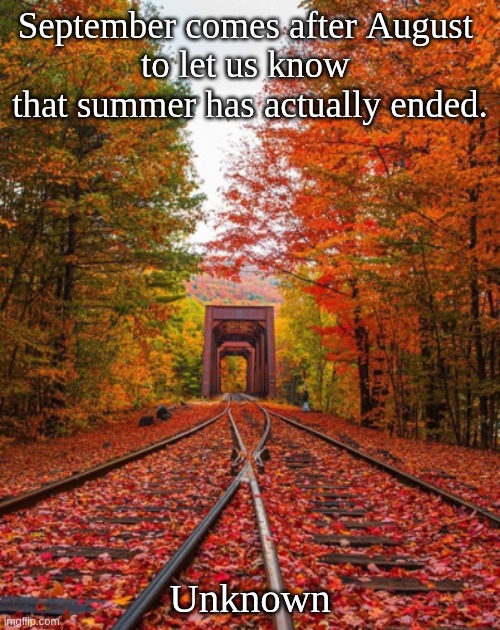
– “September comes after August to let us know that summer has actually ended.” is a ‘humorous / playful proverb-like saying’.
– It basically means:
– September arriving signals the end of summer, because calendars clearly move from August → September.
– It’s “common-sense” in a joking way—like the universe using the calendar to confirm something obvious.
📍 Origin:
– I ‘can’t verify a single well-documented origin’ (like a specific author, book, or famous speech) for this exact wording.
– It appears to be a ‘modern, lightly paraphrased joke/quote’ that circulates online (often in quote collections, social media posts, or seasonal captions).
– So the safest classification is:
– ‘A general seasonal quip’ rather than a classic proverb with one known source.
🧑💼 Author:
– ‘No reliable, consistently cited author’ is attached to this exact sentence.
– In many places it may be listed as an “unknown author” or quoted without attribution.
Hello, September, trust in the magic of a new beginning!
“Hello, September, trust in the magic of a new beginning!” welcomes September as a time of renewal and encourages optimism about starting again.
It suggests:
– letting go of the past;
– embracing seasonal or personal change;
– trusting that new opportunities may emerge;
– viewing September—often associated with autumn and the start of a school or work cycle—as a symbolic fresh start.
📜 Origin and author:
There is ‘no reliably documented author or original published source’ for this exact wording. It appears to be a ‘modern inspirational phrase circulated online’, especially in seasonal greetings, social-media posts, calendars, and quote graphics.
The sentence likely combines two common expressions:
– “Hello, September”, a conventional welcome to the new month;
– “Trust the magic of new beginnings,” a popular motivational saying that also circulates without a firmly established attribution.
✍️ How to credit it
It is safest to cite the saying as:
> “Hello, September, trust in the magic of a new beginning!” — Anonymous
Claims assigning it to a particular writer should be treated cautiously unless accompanied by a verifiable book, poem, interview, or other primary source.
Hello September, the winds of change really can be beautiful.
“Hello September, the winds of change really can be beautiful” welcomes September as a symbol of transition—especially the shift from summer to autumn in the Northern Hemisphere.
– “Winds of change”:
refers metaphorically to new circumstances or transformations.
– Autumn’s changing leaves:
illustrate that endings and transitions can be beautiful.
– The saying encourages people to accept personal change with optimism rather than fear.
📜 Origin:
The exact sentence appears to be a ‘modern inspirational or social-media quotation’, often used on September-themed images, calendars, and greeting posts. There is no well-documented literary source or established historical origin for the complete wording.
The expression “winds of change” is much older and means forces bringing major transformation. It became especially famous through British prime minister Harold Macmillan’s 1960 “Wind of Change” speech, although he did not originate this September quotation.
✍️ Author:
The author of the exact saying is ‘unknown or unverified’. It is safest to cite it as:
> “Hello September, the winds of change really can be beautiful.”
> — ‘Anonymous’
Online attributions may exist, but without a dated publication or reliable primary source, they should be treated cautiously.
When you enter August, you want some beach days, some relaxing days, and some wife-out-of-town days.
The quote is basically describing a familiar summer mood:
– “August” = the late-summer season when people want downtime
– “beach days” = fun, leisure, vacation energy
– “relaxing days” = recovering from the busy months; slowing down
– “wife out of town days” = a joking way of saying “some time alone / personal freedom”—i.e., a lighthearted “boys’ trip” vibe (even though it uses “wife,” it’s meant humorously)
➡️ Overall:
‘a humorous, cliché-ish “August = relaxation + a little extra freedom” sentiment.’
🧠 Origin:
I can’t reliably identify the exact ‘original author’ or ‘first source’ from the text.
– Phrases like this tend to be ‘memes / social-media captions / stand-up style one-liners’
– The “wife out of town days” part is a very common joke format, and many similar versions circulate online
✍️ Author:
– ‘Unknown / not confidently attributable’ from the quote alone.
The thunder in the sky makes the cloud cry, and life in August is like a thunderstorm.
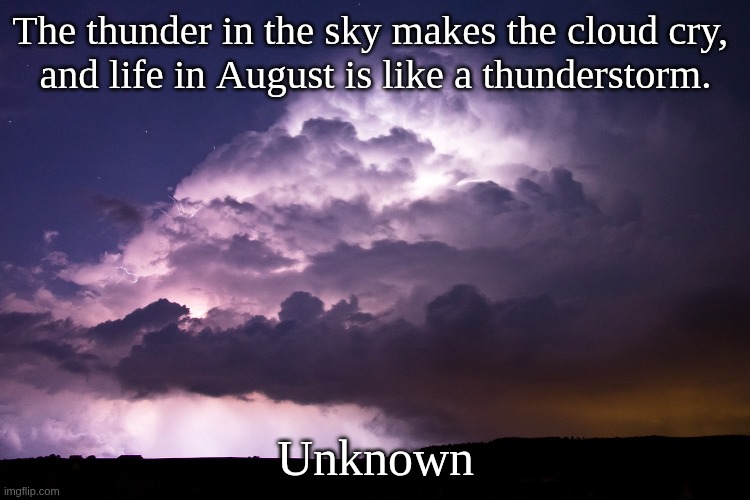
The saying is a ‘poetic metaphor’:
> “The thunder in the sky makes the cloud cry”
> = thunder is imagined as causing the clouds to “cry,” meaning ‘rain falls from the clouds’.
> “Life in August is like a thunderstorm”
> = life in August is compared to a thunderstorm:
‘Hot, intense, sudden, emotional, unpredictable, and sometimes cleansing’.
Overall, it suggests that life can feel overwhelming or dramatic, but storms also pass and may bring renewal.
Literary devices ✍️:
– Personification:
Clouds “cry” like humans.
– Metaphor:
Life is compared to a thunderstorm.
– Mood/imagery:
Creates a feeling of heat, tension, sadness, and release.
Origin and author 📚:
There does ‘not appear to be a well-known original author or established literary source’ for this exact saying. It is likely:
– an ‘anonymous poetic phrase’,
– a ‘modern quote/caption’, or
– a line adapted from general storm imagery.
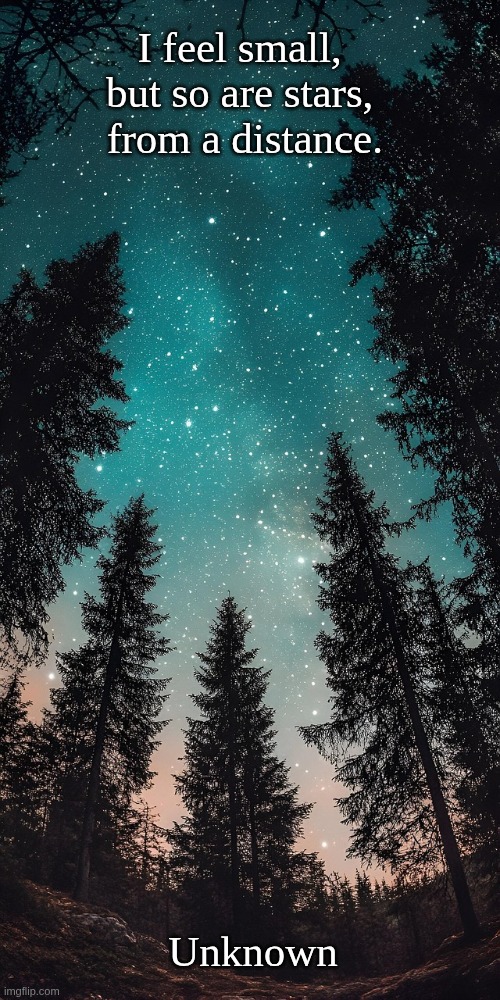
I feel small, but so are stars, from a distance.
Real discernment is seeing through the pain and trauma of yourself and others without judgement.

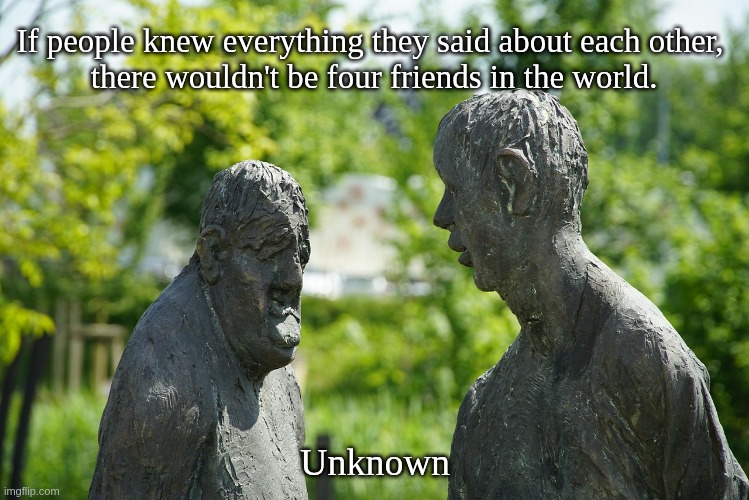
If people knew everything they said about each other, there wouldn’t be four friends in the world.
If the day wasn’t your friend, he’s been your teacher.

To love the moon and find it comfortingly captivating.
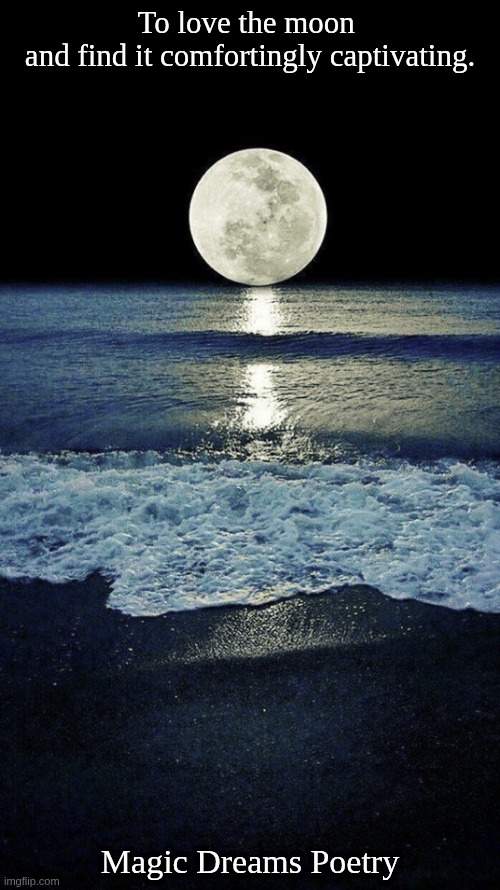
[Psychology] Unusual attraction to the moon which, without being pathological, is in the aesthetic, artistic or intellectual sphere.
Etymology (origin of the word selenophilia). The word selenophilia is derived from the combination of the word seleno, from the Greek ‘seléne, es’, meaning moon, and the suffix -filia, affection.

Opportunity does not knock, it presents itself when you beat down on the door.
Knowing is not enough, we must apply. Willing is not enough, we must do.
The biggest adventure you can ever take is to live the life of your dreams.

Imagine reading a book with no way to turn back the page. How carefully would you read it? That’s life.
Deep within you is a wise friend who will show you the path.
Whoever dances with me in the rain will also be with me in the storm. And whoever is with me in the storm, I will share the sunshine with him.
You deserve a love that you don’t have to doubt.
I don’t love you because I need you, I need you because I love you.
If you meet someone whose soul does not align with yours, send them your love and move on.

The same fire that melts butter forges iron.
Every friendship goes through ups and downs. Dysfunctional patterns set in; external situations cause internal friction; you grow apart and then bounce back together.

The Internet is a marvellous tool for finding solutions to problems I never had prior to the Internet.

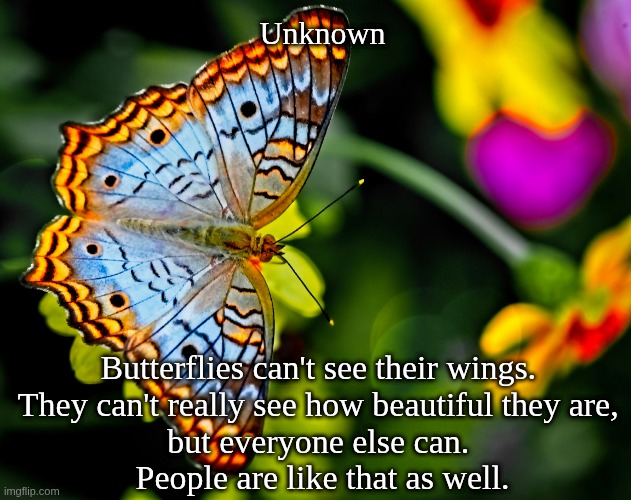
Butterflies can’t see their wings. They can’t really see how beautiful they are, but everyone else can. People are like that as well.
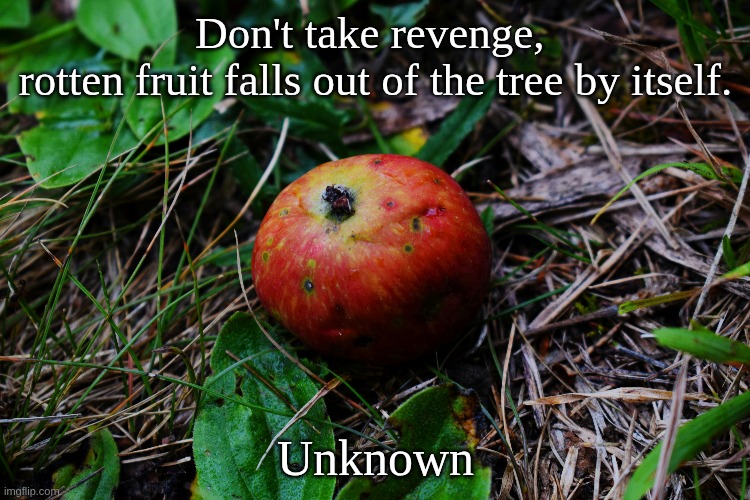
Don’t take revenge, rotten fruit falls out of the tree by itself.
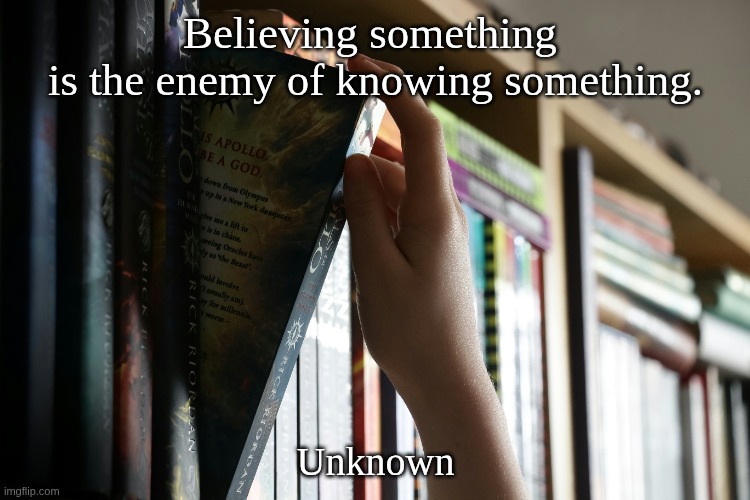
Believing something is the enemy of knowing something.
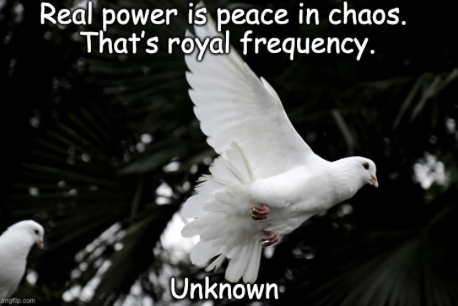
Real power is peace in chaos. That’s royal frequency.
Love is friendship that has caught fire.
Hello February, bring love and happiness in our lives.
Newsletter or blog intros around February 1st and Valentine’s Day. Short translation/paraphrase 🌍: NL → EN: “Hello February, bring love and happiness into our lives.” Paraphrase meaning: “Welcome February — may this month be filled with love and happiness.”
Friendship brought by wine, works like wine, even just one night.

Every ‘weed’ you pull might be medicine. Every bug you fear could be a pollinator. Look closer – nature never makes mistakes.
March madness brings April sadness.
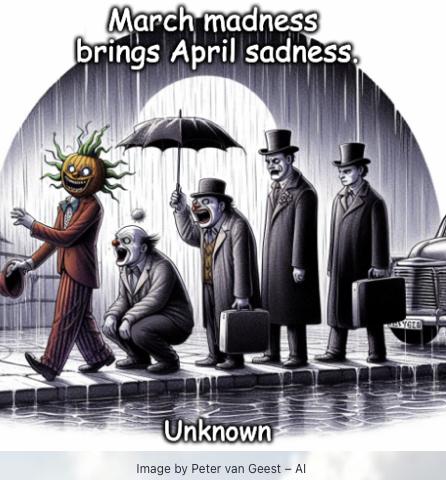
Meaning: This is a well-known saying often used to indicate the consequences of reckless or thoughtless behavior. Sorrow and the consequences of our actions: The madness of March: This term symbolizes recklessness, thoughtlessness, impulses, and rash actions. March is often associated with spring, a time of renewal and growth, but also with the variability and unpredictability of the weather. Thus, “the madness of March” can refer to the urge to make hasty decisions or to act without thinking about the consequences. The sorrow in April: This term symbolizes the unpleasant consequences of reckless behavior. April is often associated with rain, coolness, and uncertainty. Thus, “the sorrow in April” can refer to the disappointment, pain, remorse, and difficulties that can arise after a period of recklessness. The connection between our actions and the future: The quote emphasizes that our actions in the present have a direct influence on our future. The “madness of March”—ill-considered actions and decisions—inevitably leads to “the sorrow in April”—negative consequences and problems in the future. Origin of the quote: The origin of this quote cannot be definitively traced. It is a well-known saying in Dutch, but the precise author or the specific context in which it was first used is unknown. The quote can be seen as a variation on other proverbs and sayings that emphasize the consequences of our actions, such as: “He who sows the wind shall reap the whirlwind.” “What goes around comes around.” “No matter how fast the lie travels, the truth will catch up with it.” Author: The author of the quote “The madness of March brings sorrow in April” is unknown. It is likely a saying that originated and was passed down over time, without the original originator being known. Conclusion: The quote “The madness of March brings sorrow in April” is a powerful reminder of the consequences of our actions. It warns us of the dangers of recklessness and thoughtlessness and emphasizes that we must consider the impact of our decisions on the future. Although the origin and author of this quote are unknown, the message remains relevant and topical.
Friendship is a letter I don’t need to receive today as long as I know it will be written today.

Befriending that is becoming family by choice.

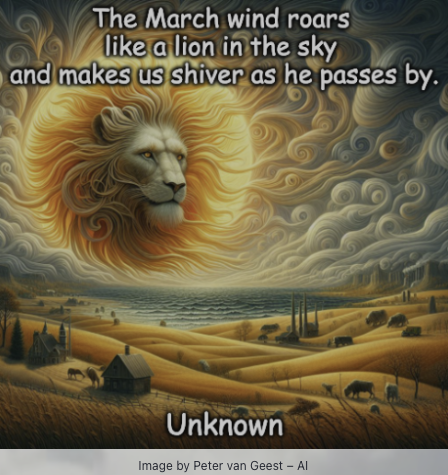
The March wind roars like a lion in the sky and makes us shiver as he passes by.
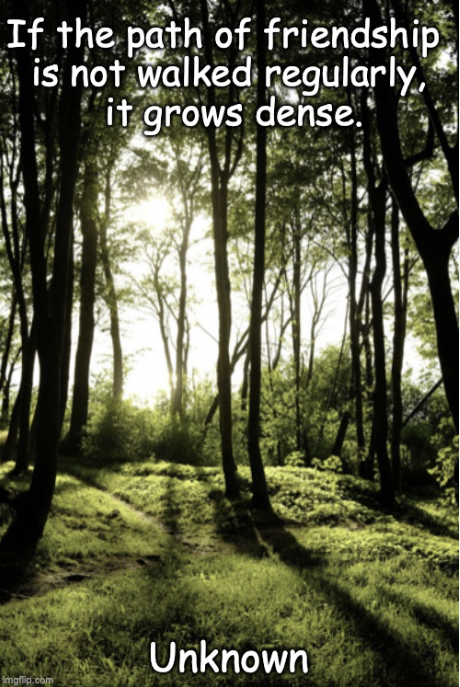
If the path of friendship is not walked regularly, it grows dense.
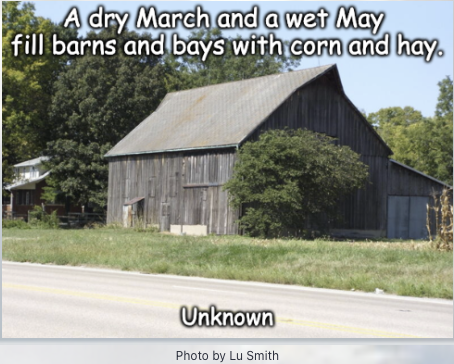
A dry March and a wet May fill barns and bays with corn and hay.
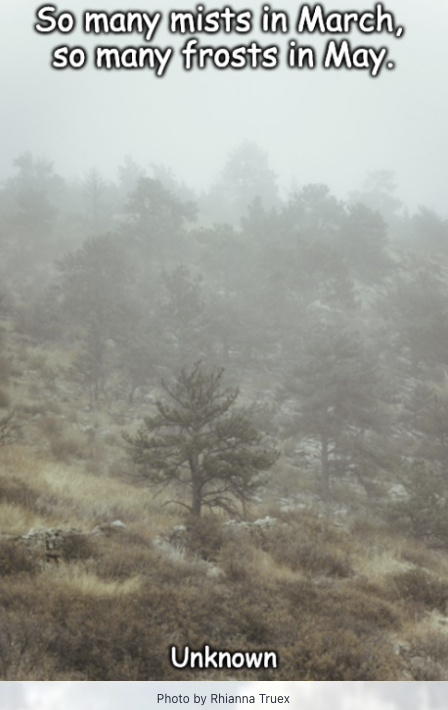
So many mists in March, so many frosts in May.
When I fell, you helped me up. Since then, falling has hurt less.

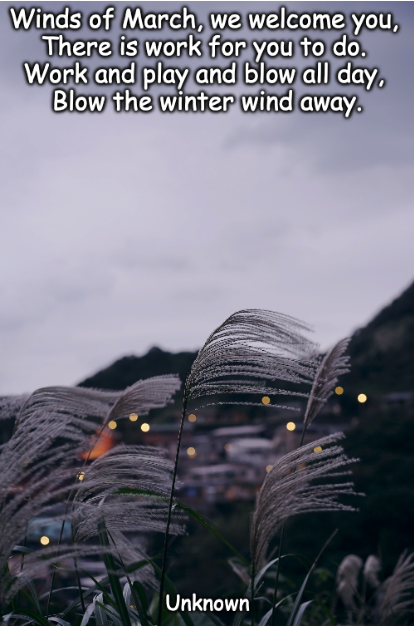
Winds of March, we welcome you, There is work for you to do. Work and play and blow all day, Blow the winter wind away.
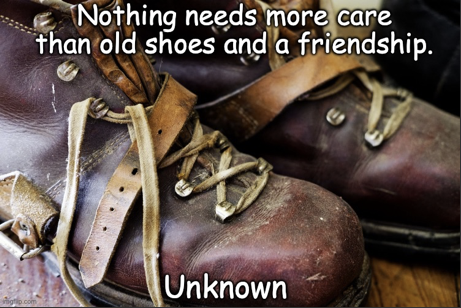
Nothing needs more care than old shoes and a friendship.
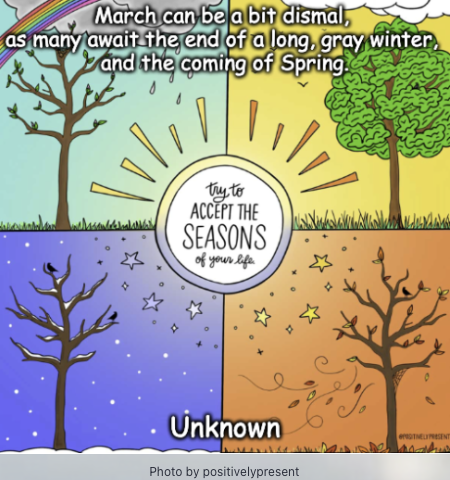
March can be a bit dismal, as many await the end of a long, gray winter, and the coming of Spring.
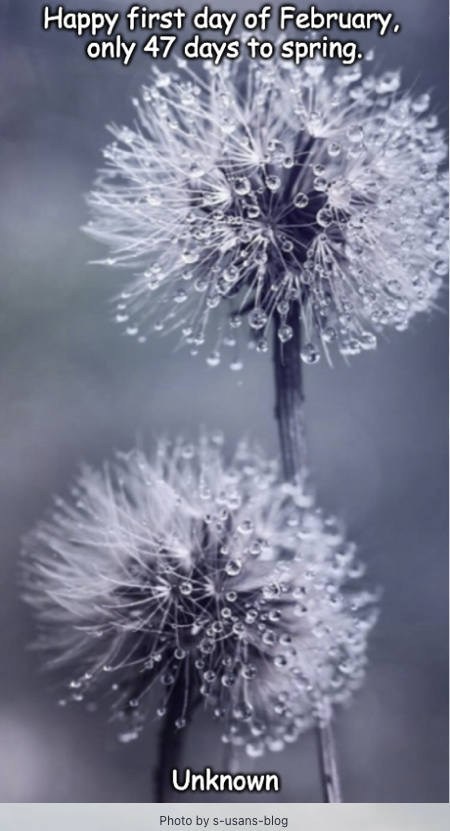
Happy first day of February, only 47 days to spring.
February is the most wonderful month of the year. You work for 28 days and get paid for 30 days.

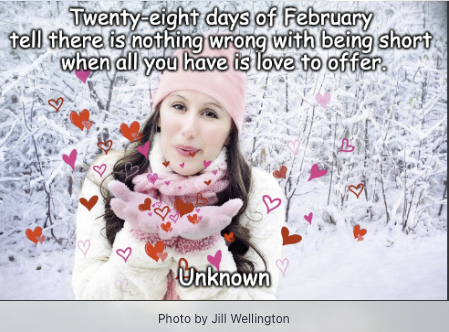
Twenty-eight days of February tell there is nothing wrong with being short when all you have is love to offer.
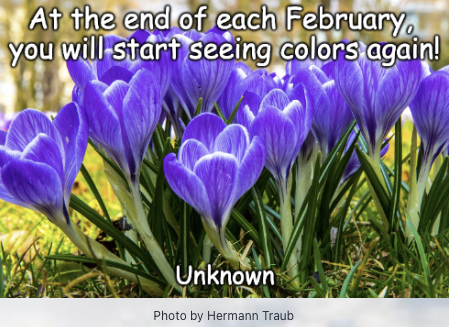
At the end of each February, you will start seeing colors again!
This type of saying comes from folk meteorology: traditional observations of natural signs (flowering, bird behavior, wind directions) to “interpret” the weather. The proverb fits into a broader group of Dutch/Flemish weather proverbs with the same message: “March stirs its tail” 🐉 (March can still be bitterly cold). Proverbs about early flowering followed by a “cold spell.” Important: An exact first written origin is usually difficult to pinpoint; such proverbs often circulated orally and have many variations. ✍️ Author: No known individual author. This weather proverb is considered “anonymous folklore”: originated and passed down within “popular culture”; often regionally adapted (different word order/rhyme variations). 🔎 Extra: how certain is this “weather wisdom”? It’s not a law of nature, but it does correspond to the climate pattern: early flowering can happen after a mild period, while late frost is statistically still very possible. So you can see it as a “cautionary rhyme” rather than a hard prediction.
Love yourself. February is a self-love month.

A wet February, a wet spring.

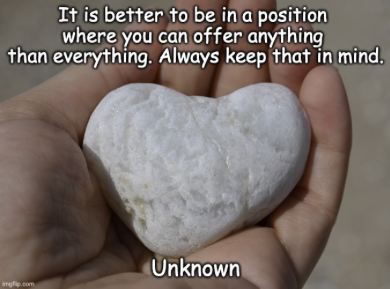
It is better to be in a position where you can offer anything than everything. Always keep that in mind.
When we feel love and kindness towards others, it not only makes others feel loved and cared for, but it also helps us develop inner happiness and peace.

The February born will find sincerity and peace of mind.

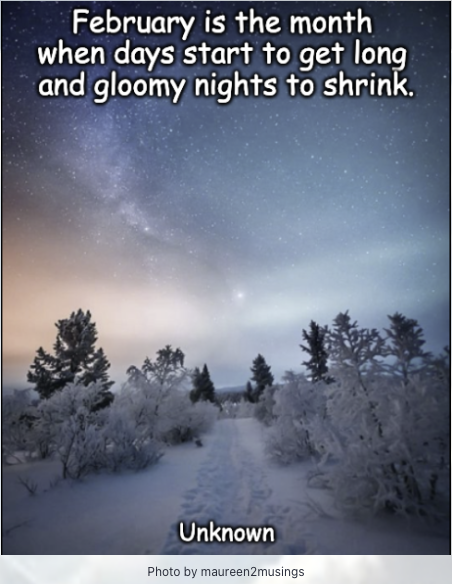
February is the month when days start to get long and gloomy nights to shrink.
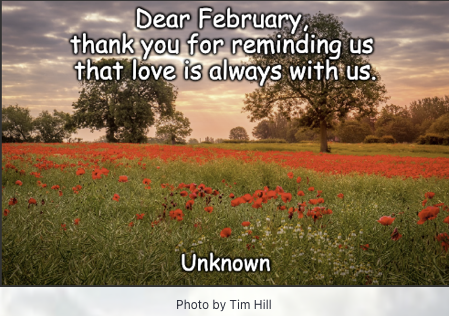
Dear February, thank you for reminding us that love is always with us.
Happy February, may you see love all around you.
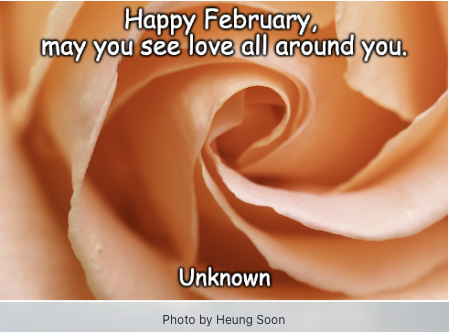
Origin 🗺️: There is no known clear, documented source or first publication. The phrase circulates mainly as a seasonal greeting on social media, in newsletters, and (digital) cards. Conclusion: probably contemporary and “internet-vernacular,” with no established origin. Author ✍️: No known, original author can be identified. In practice, usually “anonymous” or “unknown”; attributions to specific names online are generally unverified. Nuance and translation
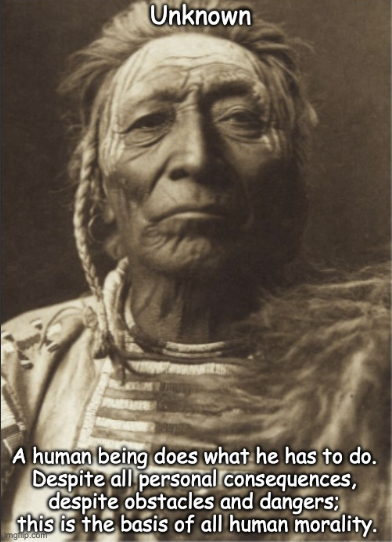
A human being does what he has to do. Despite all personal consequences, despite obstacles and dangers; this is the basis of all human morality.
February teaches us the lesson of hope that there is a sunny day at the end of every freezing night.
Misfortune is the best scale to weigh your friends.