(15 January 1841, Portsea, Portsmouth, Hampshire – 8 December 1926, Oxford).
English fiction writer and poet. She is best known for her children’s literature and her hymns.
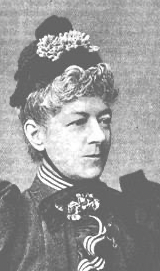
Sarah Doudney. Photo: alchetron.com
Farewell, old year; we walk no more together; I catch the sweetness of thy latest sigh, and, crowned with yellow brake and withered heather, I see thee stand beneath this cloudy sky. Here in the dim light of a grey December we part in smiles, and yet we met in tears; watching thy chilly dawn, I well remember I thought — the saddest-born of all the years.
Photo: Alex. Meaning:Farewell to the Old Year: The text talks about saying goodbye to the old year. This is a moment of reflection where both joy and sadness are experienced. Nature images: The references to “yellow brake” and “withered heath” give a feeling of autumn and the transience of time. These images reinforce the melancholy of the farewell. Time and Memories: The speaker remembers encounters with the old year, which brought both joy and sadness. Author:Sarah Doudney she is an important voice in the poetry of her time, and her work remains relevant through the universal themes she explores. The quote is a great example of her style and theme.
A small bird twitters on a leafless spray, across the snow-waste breaks a gleam of gold. What token can I give my friend today? But February blossoms, pure and cold? Frail gifts from nature’s half-reluctant hand. I see the signs of spring about the land. These chill snowdrops, fresh from wintry bowers, are the forerunners of a world of flowers.
Meaning and symbolism 🌱:“Leafless spray”: a bare winter twig — no leaves yet, but already life (birdie) and light. “February blow, so pure and cold”: “blow” means “bloom”; refers to snowdrops, in English also “Fair Maids of February”. “Nature’s half-reluctant hand”: nature is still sparse and hesitant in February, but already gives small signs. “Forerunners of a world of flowers”: snowdrops are harbingers/heralds of a coming abundance — themes of hope, promise, and new beginnings. Author ✍️:Probably: Sarah Doudney (1841–1926), English poet and hymn writer. Commentary: These lines circulate in 19th-century (Victorian) anthologies, birthday books, and children’s magazines, often without attribution. In modern and historical collections, this poem is usually attributed to Sarah Doudney. There is no widely accepted alternative author. Origin and title 📚:Language of origin: English.Common title/classification: often “February” (sometimes also under the heading “Snowdrops” or “Signs of Spring”). Context: short, accessible verses for monthly calendars or children’s anthologies in the late Victorian era. The text is in the public domain. Likely English source text (public domain) 🌼: A little bird is singing on a leafless spray, On the snow-waste breaks a golden ray. What token can I to my friend today bestow, But February blow, so pure and cold? Weak are the gifts from Nature’s half-reluctant hand; I see the signs of Spring about the land: These chilly snowdrops, fresh from Winter’s bowers, Are the forerunners of a world of flowers.
Door Pieter
Mensenmens, zoon, echtgenoot, vader, opa.
Spiritueel, echter niet religieus.
Ik hou van golf, wandelen, lezen en de natuur in veel opzichten.
Onderzoeker, nieuwsgierig, geen fan van de mainstream media (MSM).