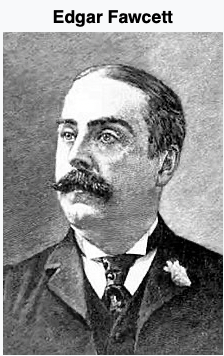
(May 26, 1847 – May 2, 1904).
American novelist and poet.
Edgar Fawcett. Photo: wikipedia.org
January is here with eyes that keenly glow, a frost-mailed warrior striding a shadowy steed of snow.
Photo: Lime-studio09. Meaning:January: Month of new beginnings and reflection. Brightly glowing eyes: Symbolizes determination and passion. Warrior in the cold: Image of someone who fights through challenges, even in difficult circumstances. Shadowy snow-steed: A winter flower that represents mystery and beauty in difficult times. Summary: The phrase describes a determined person who faces life’s challenges (the cold) with courage and clarity (bright eyes), while also recognizing the beauty and mystery (snow-steed) within life. Origin:Author:Edgar Fawcett. Context: Fawcett was an American poet and novelist active in the 19th century. His work often contains poetic and romantic elements. Style: Known for his lyric poetry and use of rich, figurative language. Contributions: Fawcett wrote a variety of poems and works that often explore themes of nature, love, and struggle. Conclusion: Edgar Fawcett’s quote is a powerful and poetic reflection on perseverance and the beauty of life, even in the most difficult times. It evokes a sense of inspiration to keep going, regardless of the circumstances.
And last December drear, with piteous low-drooped head. In a voice of desolation crying out, the year is dead. And so, with changeful gear, with a smile or frown or song, the months, in strange variations, are ever gliding along.
Photo: evangelinar. Meaning:Gloom and Reflection: The text reflects the melancholy and reflection that often accompany the end of the year. Passage of Time: The transition of months and the different emotions that accompany it are also an important theme in Fawcett’s work. Cultural Context: This text is typical of literature that explores the transition from the old to the new year, often focusing on both the gloom and the hope associated with this period. Comparison with Jan Hanlo: Although Jan Hanlo is often mentioned in connection with similar themes, it is important to recognise that the origin of the specific text you have mentioned lies with Edgar Fawcett.
February, a form pale-vestured, wildly fair. One of the north wind’s daughters with icicles in her hair.
Meaning ✨:Personification of February: Pale cloak → snow, frost, winter light; the cold, colorless hue of the month. Wild blonde → wild, windswept, light blonde hair; the bright, pale winter sun or straw and sand tones in an icy wind. Daughter of the North Wind → reference to Boreas (Greek mythology), symbol of cold and a harsh, dry wind. Icicles in her hair → sharp frost, the extremes of winter. Connotation: February as harsh, yet just beginning to lighten; a transition between deep winter and the first, still fragile light. The description of February as “a pale-clad, wild-blonde figure. One of the daughters of the North Wind with icicles in her hair” is attributed to Edgar Fawcett. This poetic personification captures the essence of February as a transitional month between winter and spring, embodying both the persistent cold of winter and the promise of spring’s arrival. The image of February as the daughter of the north wind, with icicles in her hair, beautifully symbolizes the duality of the month: the harsh winter conditions and the delicate, crystalline beauty of ice and snow. This imagery resonates with Fawcett’s lyrical style, which often celebrated nature and the changing seasons.
Door Pieter
Mensenmens, zoon, echtgenoot, vader, opa.
Spiritueel, echter niet religieus.
Ik hou van golf, wandelen, lezen en de natuur in veel opzichten.
Onderzoeker, nieuwsgierig, geen fan van de mainstream media (MSM).