Kahlil Gibran

Khalil Gibran:

Also called Kahlil Gibran; born as Gibran Khalil Gibran.
(Bsharri, Lebanon, 6 January 1883 – New York, USA, 10 April 1931).
Artist, poet and writer.
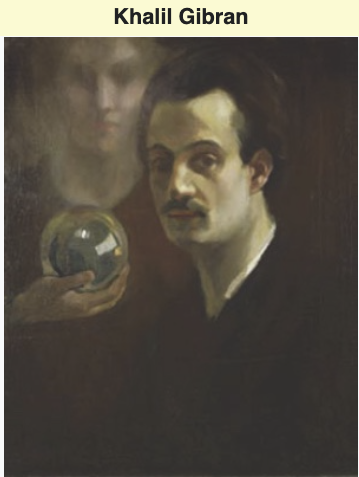
Kahlil Gibran ( 1911 )

One may not reach the dawn by the path of the night.
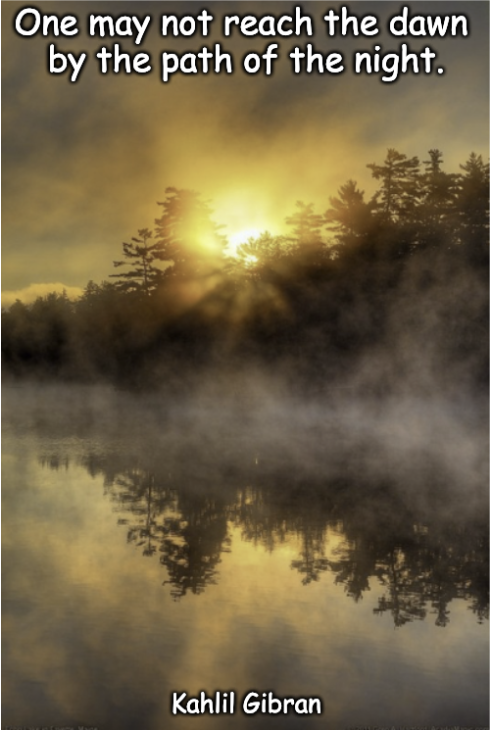
Photo by Greg A. Hartford – Sunrise on Echo Lake in Fayette

Kindness is like snow, it beautifies everything it covers.

Photo by s-usans-blog

In every winter’s heart there is a quivering spring, and behind the veil of each night there is a smiling dawn.
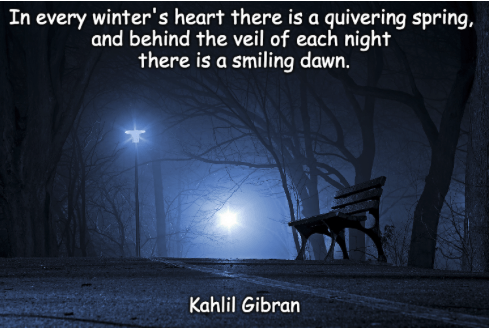
Photo by Henryk Niestrój

Out of suffering have emerged the strongest souls; the most massive characters are seared with scars.
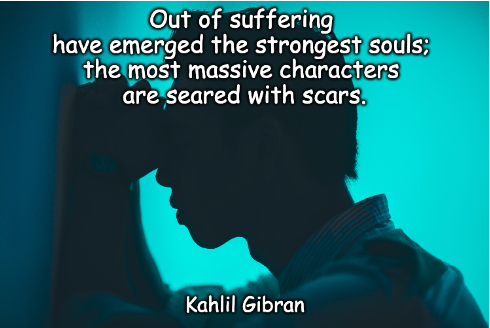
Photo by Road Trip with Raj

An exaggeration is a truth that has lost its temper.
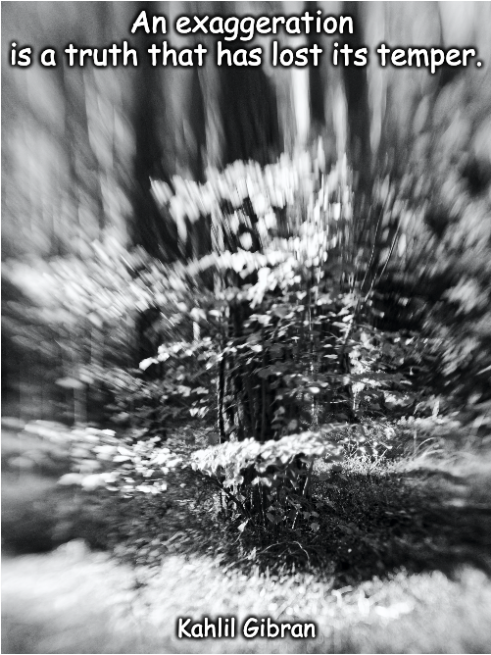
Photo by Miro Polca

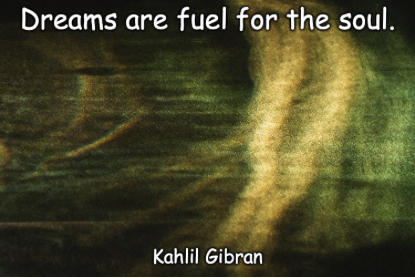
Dreams are fuel for the soul.

Photo by Greg – Rosenke

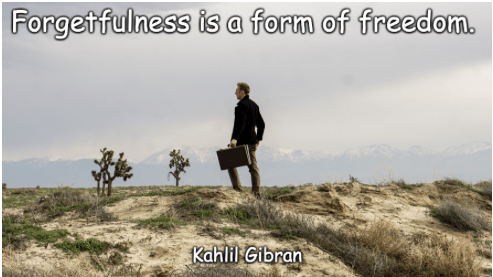
Forgetfulness is a form of freedom.

Photo by Freddy Kearney

The great man has two hearts – one bleeds, the second one endures.
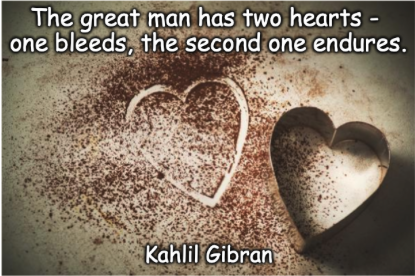
Photo by Jasmine Waheed

You may give your children of your love, but not of your thoughts, for they have their own thoughts. You may house their bodies, but not their souls, for their souls dwell in the house of tomorrow, which you cannot visit, not even in your dreams. You may try to be like them, but don’t try to make them like you.
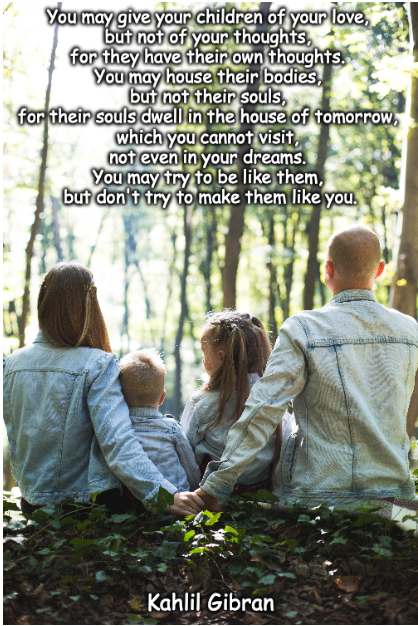
Photo by Ioann Mark Kuznietsov

Turtles can tell more about the roads than hares.
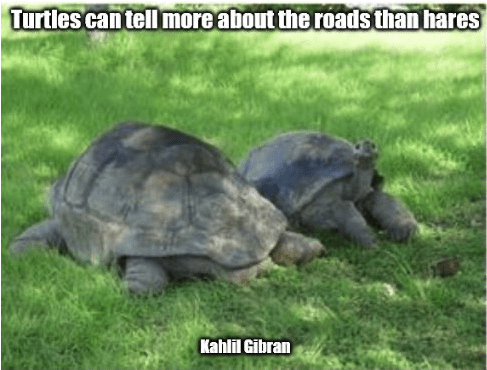
Photo by unknown

When you are sorrowful look again in your heart, and you shall see that in truth you are weeping for that which has been your delight.
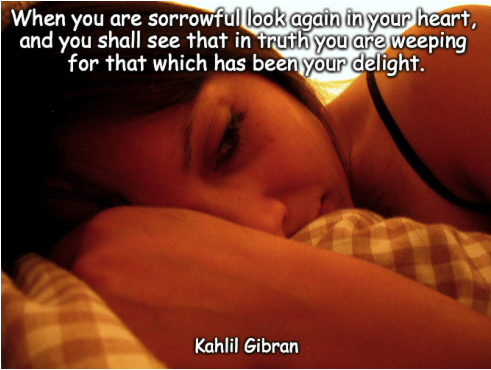
Photo by buzzt79

Travel and tell no one. Live a true love story and tell no one. Live happily and tell no one. People ruin beautiful things.

Photo by Kadri Karmo. Meaning: The true journey of love is an inner, sacred and often painful process of transformation. Its beauty and power are so vulnerable and personal that they must be protected from the often flattening and judgmental gaze of the outside world. The real love story is not told, it is lived – in silence and devotion. Source: The Prophet (1923), Chapter: Love.

Our most sacred tears never seek our eyes.

Painting by Edward Hopper

Keep me away from the wisdom which does not cry, the philosophy which does not laugh, and the greatness which does not bow before children.
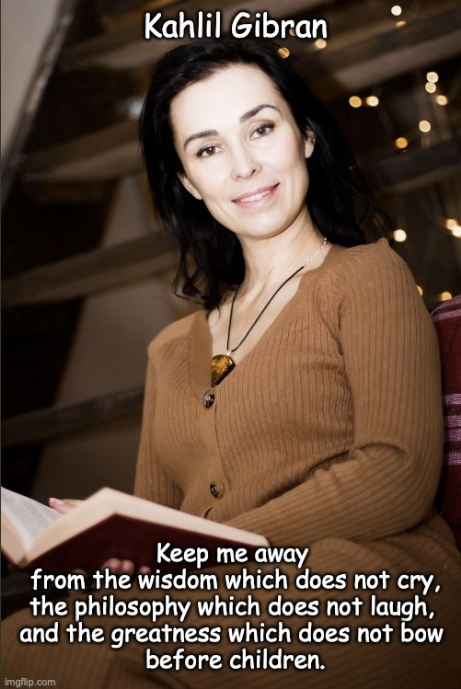
Photo: Olga Volkovitskaia

Trees are poems that Earth writes upon the Sky.
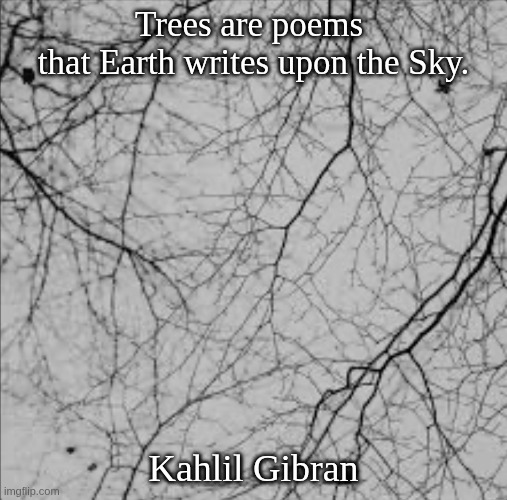
Photo: Thierry Lampe – facebook

And God said: “Love your enemy,” and I obeyed Him and loved myself.
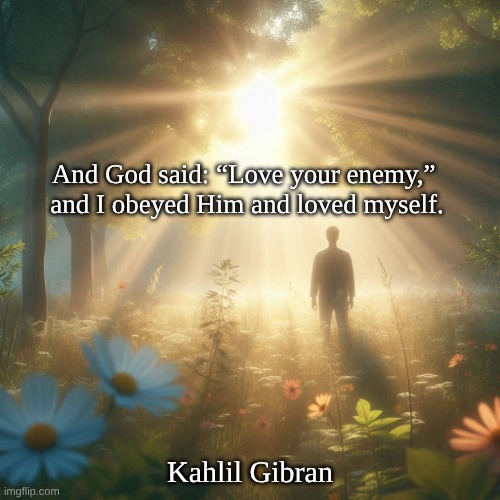
Image: Peter van Geest AI. Meaning: A profound and somewhat cynical observation about self-perception and human psychology. It revolves around a paradox: The biblical commandment, “Love your enemy,” comes from the Sermon on the Mount (Matthew 5:44), where Jesus calls for love of neighbor, even for enemies. The ironic twist: By saying, “I obeyed Him and loved myself,” the speaker suggests that he is his own worst enemy. Humans are often our own worst critics and saboteurs—we stand in our own way with self-doubt, negative thoughts, and destructive behavior. It refers to the internal conflicts we all have—parts of ourselves we don’t accept or even hate. To follow the commandment, you must first acknowledge that you sometimes treat yourself as an enemy. Only then can you begin to truly accept yourself. It’s a powerful statement that emphasizes the complexity of self-perception and spiritual growth—that love of neighbor begins with reconciliation with yourself. Source: The Treasured Writings of Kahlil Gibran. (Customized version).

My enemy said to me, ‘Love your enemy.’ And I obeyed him and loved myself.
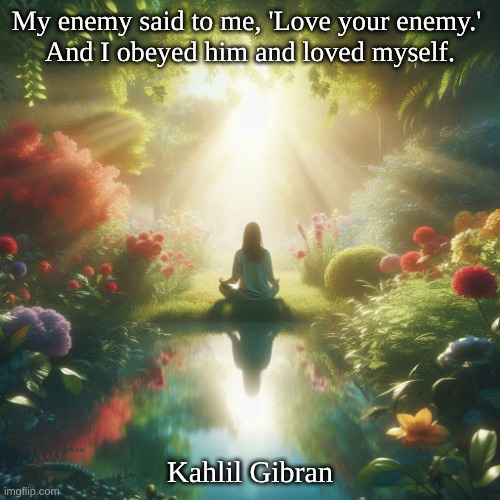
Image: Peter van Geest AI. Meaning: The saying is a paradoxical, controversial reinterpretation of the biblical commandment ‘Love your enemies’ (Matthew 5:44). The meaning works on several levels: Self-love as Victory: By obeying the enemy and loving yourself, you neutralise the enemy. The greatest victory is not to destroy the enemy, but to cultivate love for yourself.
The Enemy as a Mirror: The saying suggests that our greatest enemy is often ourselves – our negative thoughts, self-criticism and inner conflicts. By ‘loving myself,’ we overcome that inner enemy. Paradox and Irony: There is a subtle irony here: by obeying the enemy, you do something positive for yourself. The enemy thus unintentionally becomes the catalyst for self-growth.
Existential Philosophy: According to interpretations on Medium and other philosophical blogs, the message is that we are often our own worst enemy, and that self-love is a form of spiritual obedience – not to an external enemy, but to the reality that love must begin with yourself. Source: Spiritual Sayings of Kahlil Gibran (1962). (Original version).

Door Pieter

Mensenmens, zoon, echtgenoot, vader, opa. Spiritueel, echter niet religieus. Ik hou van golf, wandelen, lezen en de natuur in veel opzichten. Onderzoeker, nieuwsgierig, geen fan van de mainstream media (MSM).

Geef een reactie

Je e-mailadres wordt niet gepubliceerd. Vereiste velden zijn gemarkeerd met *